Moving home is a significant life milestone, often accompanied by the logistical headache of changing official residency. However, for property owners in Italy who have recently invested in home improvements, a more complex question often arises: what happens to those hard-earned tax credits? If you have been claiming Italian building tax deductions after changing residence, you may be wondering if a change in your official address nullifies your right to continue receiving these fiscal benefits.
For many, the “Bonus Ristrutturazioni” (renovation bonus) or the “Ecobonus” (energy efficiency bonus) represents a decade-long financial recovery plan. These deductions are typically spread over ten annual installments, intended to offset the significant upfront costs of maintaining or upgrading property. As the Italian fiscal landscape continues to evolve with shifting regulations and updated tax return models, such as the upcoming Modello 730 cycles, understanding the intersection of residency and tax eligibility is paramount for protecting your financial interests.
Based on current fiscal guidelines provided by the Agenzia delle Entrate (the Italian Revenue Agency), the short answer is that changing your residence does not automatically disqualify you from claiming deductions for works completed on a previous property. However, the continuity of these benefits is subject to specific legal requirements regarding ownership, tax capacity, and meticulous documentation.
The Fundamentals: How Renovation Credits Work in Italy
To understand the impact of a move, one must first understand the mechanism of the deduction itself. In Italy, most building bonuses are structured as detrazioni IRPEF—deductions from your personal income tax. Rather than receiving a lump-sum refund, taxpayers typically recoup a percentage of their renovation expenses (often 50% for standard renovations or higher percentages for energy efficiency upgrades) by reducing their tax liability over a set period, most commonly ten years.
The eligibility for these deductions is fundamentally tied to two pillars: the taxpayer (the person who incurred the expense) and the property (the asset where the improvement took place). To qualify, the taxpayer must generally hold a legal interest in the property, such as ownership, a long-term lease, or even certain types of usufruct. The works must also comply with local building codes and be officially registered with the relevant municipal authorities.
When the tax authorities audit these claims, they look for a direct link between the expenditure, the specific property, and the taxpayer’s declared income. This is why the “bonifico parlante” (a specific type of bank transfer that includes the taxpayer’s details, the property’s tax code, and the reason for payment) has become a non-negotiable requirement for securing these credits.
Does Moving Residence Nullify Your Tax Credits?
The central concern for many expatriates or domestic movers is whether the “residenza” (the official place where a person is registered with the municipality) must match the property being renovated. Under current Italian tax law, the deduction is a personal tax credit linked to the individual’s income tax return, not a benefit tied strictly to the physical location of your primary residence.
If you complete a thermal insulation project (*cappotto termico*) in a home in Milan and subsequently move your official residence to Rome—or even abroad—you generally retain the right to claim the remaining installments of that deduction. The tax deduction follows the individual taxpayer, provided they continue to file tax returns in Italy and have sufficient taxable income to offset the credit.
However, there are critical nuances to consider:
- Ownership Status: If you move because you sold the property where the renovations were performed, the situation changes significantly. Generally, the right to the deduction remains with the person who paid for the works and holds the title, but the sale of the asset may complicate the “possession” requirement if the new owner attempts to claim related benefits.
- The “Primary Residence” Distinction: While many bonuses are available for any residential property, some specific incentives are strictly reserved for the “abitazione principale” (primary residence). If a bonus was granted under the condition that the property served as your primary residence, moving your residency elsewhere could trigger a retroactive loss of the benefit or require the repayment of the credits.
- Tax Residency vs. Physical Residence: For those moving outside of Italy, the distinction becomes even more vital. To claim IRPEF deductions, you must still be considered a tax resident in Italy or have sufficient Italian-sourced income to apply the deduction against.
The Critical Role of ‘Capienza Fiscale’ (Tax Capacity)
A common pitfall for taxpayers—especially those undergoing significant life changes like moving or changing jobs—is the concept of capienza fiscale, or tax capacity. Even if you are legally entitled to a 50% deduction, you can only benefit from it if you actually owe enough tax to deduct it from.
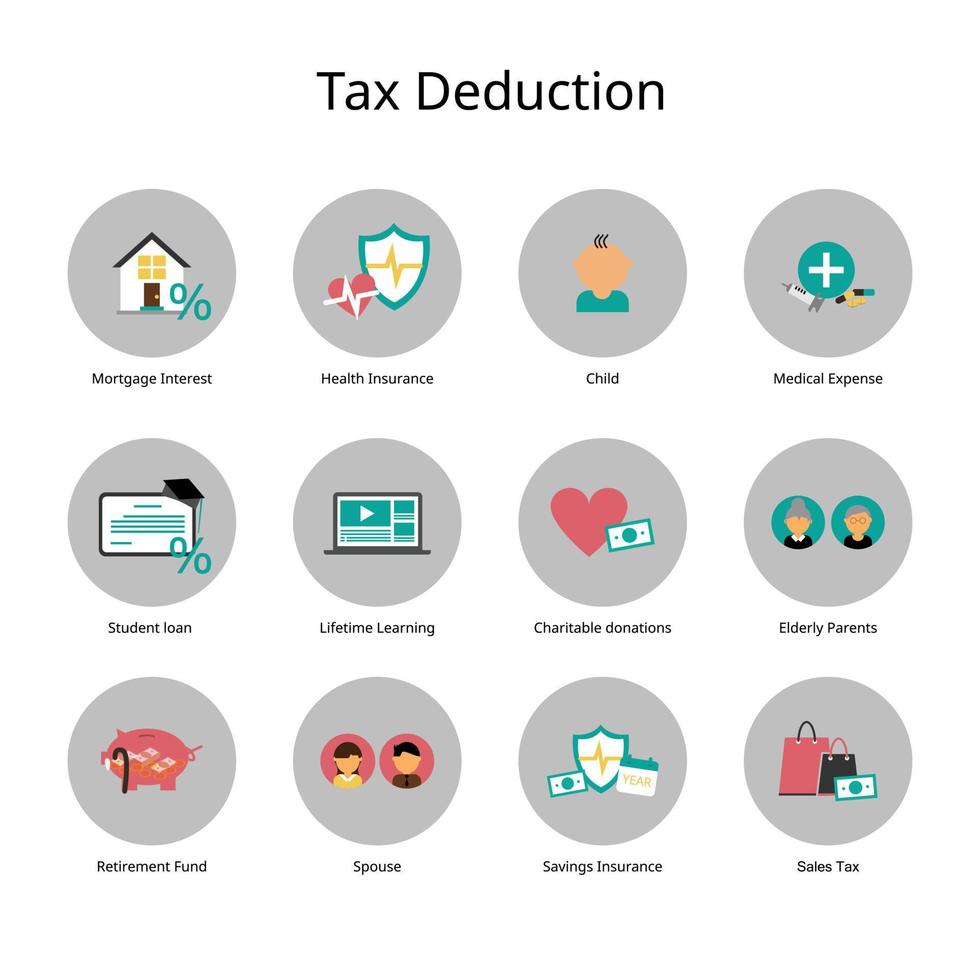
If your move results in a significant drop in your annual income, or if you move to a tax regime where your Italian tax liability is minimal, you may find yourself in a position where you have “excess” deductions. These are credits that you cannot use because your tax bill is already zero or near zero. In such cases, the deduction does not simply vanish, but it remains “dormant” until you have sufficient tax liability to absorb it. Over many years, if the tax capacity is never met, the taxpayer effectively loses the monetary value of the bonus.
This is particularly relevant when dealing with the Modello 730, the standard tax return form used by employees and retirees in Italy. As the system moves toward more automated “pre-compiled” returns (*dichiarazione precompilata*), ensuring that your renovation expenses are correctly flagged in the system is essential to avoid losing these credits during a transition period.
Managing Deductions via the Modello 730 and Pre-filled Returns
As we look toward the 2025 and 2026 tax cycles, the Italian government continues to refine the digital integration of tax data. For taxpayers managing ongoing building bonuses, the Modello 730 remains the primary vehicle for reclaiming these funds. The “pre-compiled” nature of modern returns means that many expenses—such as condominium fees (*spese condominiali*) or certain medical expenses—are automatically imported from third-party providers.
However, building renovation deductions are not always automatically populated. Taxpayers must often manually verify that the correct codes are used to claim the specific bonus they are entitled to. For instance, claiming a 50% renovation credit using an incorrect code for a different type of work can lead to immediate scrutiny from the Agenzia delle Entrate and potential penalties.
When managing these filings after a move, This proves advisable to:
- Maintain a Digital Archive: Keep all “bonifici parlanti,” invoices (*fatture*), and technical reports (*asseverazioni*) in a centralized, digital format. A change in address should not mean a change in your record-keeping rigor.
- Verify Condominium Documentation: If you are claiming deductions for works performed on common building areas (such as a building facade or roof), ensure that the condominium administrator has provided the correct documentation for your specific unit.
- Consult a Professional: Given the complexity of cross-referencing residency status with multi-year tax credits, engaging a commercialista (certified accountant) is highly recommended, especially during the year of a move.
Key Takeaways for Moving Homeowners
To summarize the essential points for property owners navigating this transition, keep the following checklist in mind:
- Deductions follow the person, not just the address: Moving your official residency does not automatically cancel your right to ongoing renovation credits.
- Check the bonus type: Verify if your specific bonus (e.g., Ecobonus) was contingent upon the property being your “primary residence.”
- Watch your tax capacity: Ensure you still have enough Italian tax liability (*capienza fiscale*) to actually utilize the deductions.
- Documentation is king: Ensure all payments were made via the correct “bonifico parlante” and that all technical paperwork is preserved.
- Monitor the tax return: Manually check your Modello 730 to ensure renovation codes are correctly applied, even in pre-compiled versions.
Frequently Asked Questions
If I move abroad, can I still claim my Italian renovation bonuses?
Yes, provided you still have sufficient Italian-sourced income (such as rental income from Italian properties or pensions) that is subject to IRPEF. The deduction is applied against your Italian tax liability. If you have no Italian tax to pay, you cannot utilize the credit.

What happens if I sell the house while I am still claiming the bonus?
The deduction is tied to the person who paid for the work and holds the legal right to the property. If you sell the house, you generally continue to claim the remaining installments based on the expenses you originally incurred, provided you still meet the requirements for filing Italian tax returns.
Do I need to notify the Agenzia delle Entrate when I change my residence?
Your change of residence is typically handled through the local municipality (*Comune*), which then updates the tax authorities. However, you must ensure that your tax return accurately reflects your current residency status to avoid discrepancies in your fiscal profile.
Can I claim deductions for works done on a property I am renting?
Yes, tenants can often claim certain deductions (such as those for energy efficiency) if the contract allows for such improvements and they have the necessary authorizations, though the rules are more stringent than those for homeowners.
Next Checkpoint: Taxpayers should prepare for the upcoming Modello 730 filing season, ensuring all documentation for the previous fiscal year is organized and verified against official Agenzia delle Entrate guidelines.
Have you experienced challenges claiming tax credits after a move? Share your insights or questions in the comments below, and please share this guide with anyone navigating the complexities of Italian property ownership.
Worth a look