
The landscape of religious identity in Iran is undergoing a complex and widely discussed transformation, characterized by a notable shift in the public’s relationship with institutional religious practices. As observers of Middle Eastern geopolitics and social trends analyze the current climate, reports indicate that the influence of the clerical establishment, which has anchored the state since 1979, is facing unprecedented scrutiny from within the population.
For those tracking the intersection of faith and governance in the Islamic Republic, the narrative is no longer solely defined by state mandates. Instead, there is a growing body of anecdotal and sociological evidence suggesting that a significant portion of the Iranian populace is increasingly disengaging from state-sanctioned religious institutions. This shift is occurring against a backdrop of prolonged economic hardship, social unrest, and a generational divide that challenges the ideological foundations of the current governing framework.
The Evolution of Religious Identity in Modern Iran
Sociologists and human rights researchers have frequently noted that the Iranian state’s reliance on a rigid interpretation of Islamic law has led to a backlash among the youth and the urban middle class. According to data analyzed by the Group for Analyzing and Measuring Attitudes in Iran (GAMAAN), a significant percentage of Iranians have reported a shift toward secularism or personal, non-institutionalized forms of spirituality, distancing themselves from the state-controlled religious infrastructure.
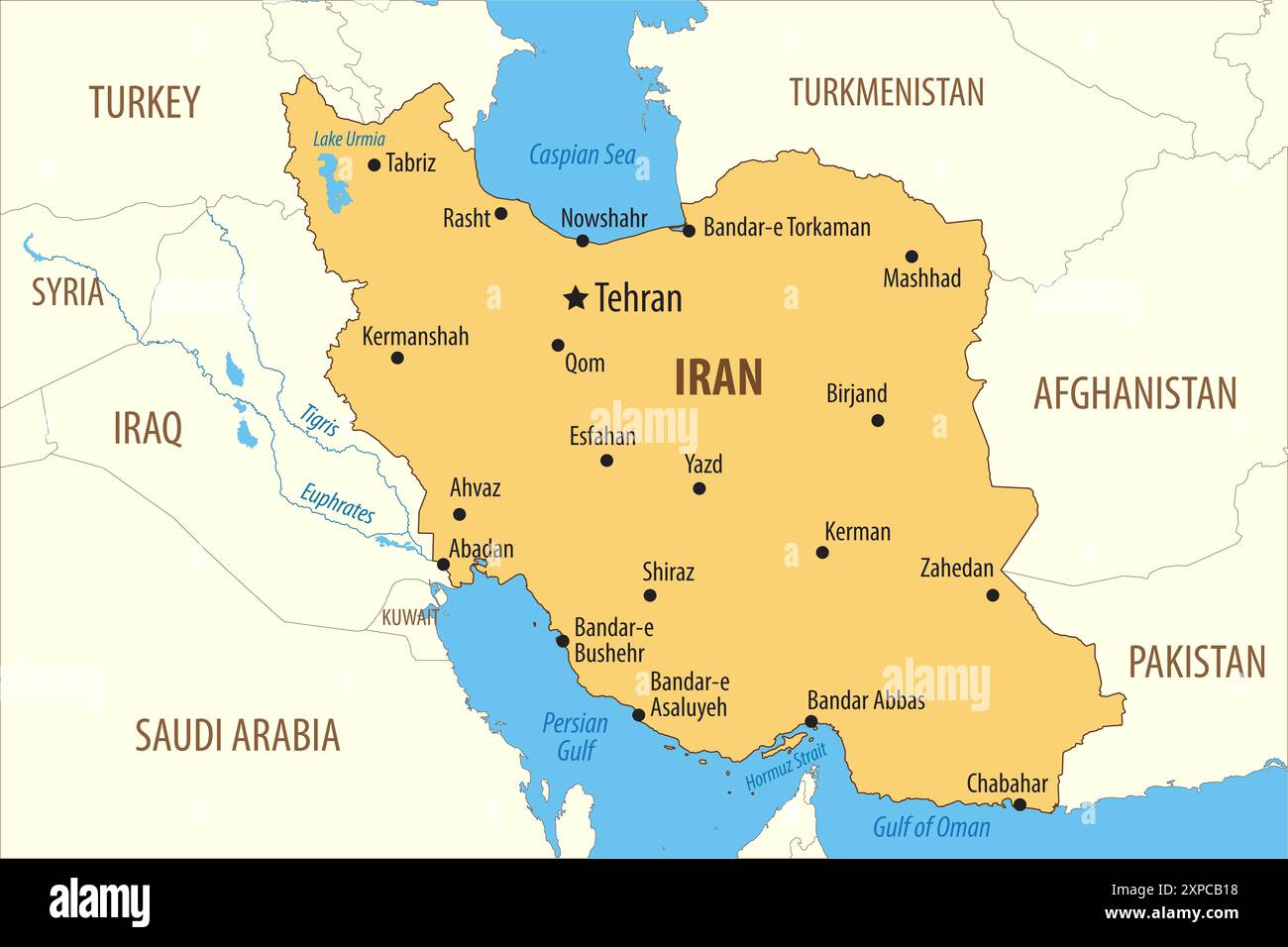
This decline in mosque attendance is not merely a matter of personal piety but is viewed by many analysts as a political statement. The mosque in Iran often serves as an extension of the state’s apparatus for ideological control. The act of staying away from these spaces is frequently interpreted as a quiet, yet persistent, form of civil disobedience against the Islamic Republic’s authority. The disconnect between the state’s clerical narrative and the lived reality of the average citizen has created a vacuum that many are now filling with alternative worldviews.
The Rise of Diverse Spiritual Pursuits
While the state maintains a firm grip on the public square, clandestine interest in alternative religious and spiritual expressions, including Christianity, has been documented by various international organizations. While exact figures remain difficult to verify due to the sensitivity of the subject and the risks of state persecution, organizations such as Amnesty International have consistently reported on the suppression of religious minorities, including those who convert from Islam.

The interest in Christianity, often facilitated through digital platforms and satellite television, represents a rejection of the state’s mandated cultural identity. For many, this conversion is not just a theological shift but an act of reclaiming individual agency. The “martyrdom culture” promoted by the Islamic Revolutionary Guard Corps (IRGC) and other state institutions is increasingly viewed with skepticism by a younger generation that prioritizes personal liberty and global connectivity over the state’s ideological narratives.
Geopolitical Implications and State Response
The Iranian government has historically responded to these shifts with increased surveillance and legal crackdowns. The U.S. Department of State’s International Religious Freedom Report highlights that the regime continues to imprison individuals for their religious activities, particularly those who participate in house churches or proselytize. These actions reflect the state’s anxiety regarding the erosion of its ideological monopoly.
The closure of mosques, or the failure of many to maintain active congregations, is a point of contention. While the state often attributes these closures to administrative changes, critics argue that it is a symptom of a broader collapse in institutional legitimacy. The state’s reliance on the IRGC to quell dissent, as noted in various Human Rights Watch briefings, underscores the regime’s reliance on force rather than popular consent to maintain its position.
Key Takeaways on the Changing Landscape
- Institutional Decline: There is a measurable decline in public participation in state-controlled religious institutions, driven by a desire for personal and political autonomy.
- Digital Influence: Digital platforms and satellite media are playing a critical role in providing Iranians with access to alternative spiritual and political perspectives.
- State Repression: The government continues to utilize the judicial system and security apparatus, including the IRGC, to counter movements that threaten its ideological hegemony.
- Societal Shift: The changing religious landscape is deeply intertwined with broader demands for political reform and human rights, reflecting a disconnect between the state and its citizens.
Looking Ahead
As we monitor the situation in Iran, the central question remains how the state will adapt to the continued erosion of its traditional support base. Upcoming reports from international human rights bodies and further analyses of social trends in the region will be essential for understanding the durability of the current regime. The international community continues to watch for developments regarding the treatment of religious minorities and the potential for further social unrest as the population continues to navigate its identity in an era of rapid transition.
We encourage our readers to stay informed through official updates from international human rights organizations and to join the conversation in the comments section below. How do you view the intersection of faith and governance in modern Iran? Share your thoughts and help us continue this important discussion.
Worth a look