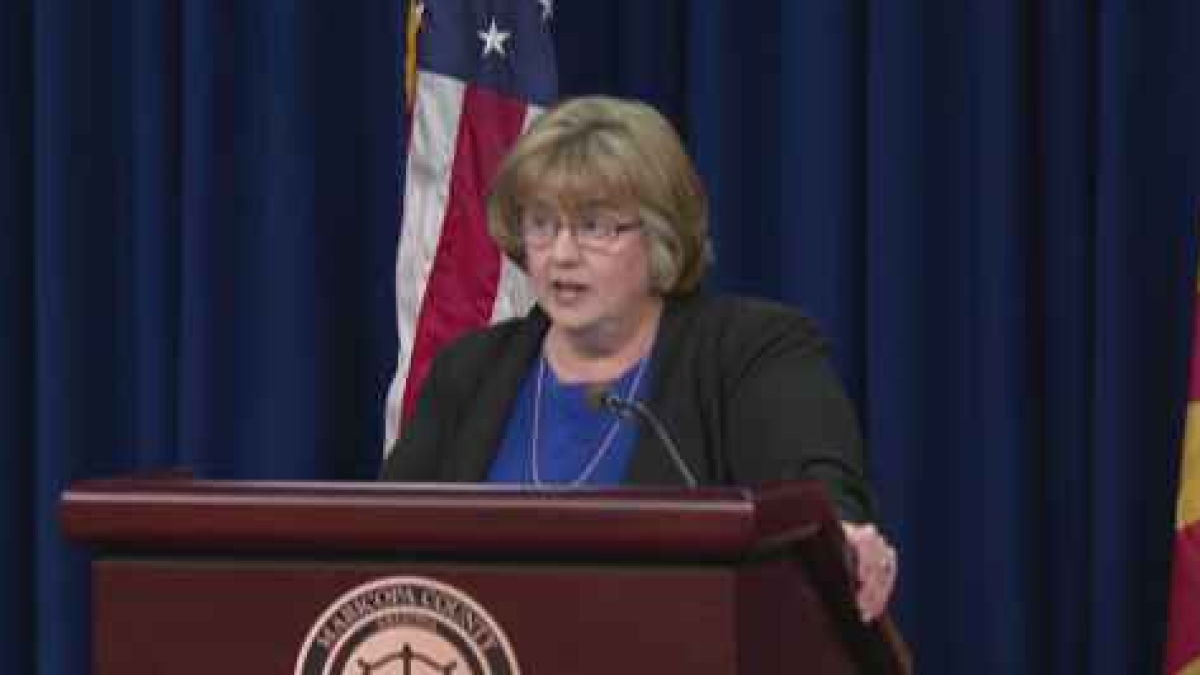
MARICOPA COUNTY, ARIZONA — In a significant move to address rising concerns over public safety, Maricopa County Attorney Rachel Mitchell recently held a press conference to discuss the ongoing efforts to combat youth violence within the region. As the county grapples with a complex landscape of criminal activity, the discussion underscored the intersection between juvenile delinquency and organized criminal networks, a topic that has remained at the forefront of local discourse following recent law enforcement actions.
The Maricopa County Attorney’s Office has been actively coordinating with local police departments to address what officials describe as an evolving pattern of violence involving minors. This initiative comes as prosecutors continue to navigate the legal complexities of charging youth offenders while maintaining a focus on community safety, and rehabilitation. Understanding the scope of these efforts requires a look at how regional authorities are mapping out the relationships between street-level violence and larger, more sophisticated criminal enterprises operating in the Southwest.
Mapping the Connection: Youth Violence and Organized Crime
Recent investigations into criminal activity in Arizona have frequently highlighted the recruitment of younger individuals into broader, often cartel-linked, operations. While the specific mention of certain monikers in local reporting has drawn significant public attention, the core of the issue lies in the structural recruitment strategies employed by criminal organizations. According to reports from the Arizona Department of Public Safety, the state continues to act as a primary corridor for illicit activities, which in turn impacts local crime rates and youth involvement in gang-related activities.
The Maricopa County Attorney’s focus remains on the legal repercussions for those who orchestrate these networks. By targeting the leadership structures behind the violence, authorities aim to sever the pipeline that draws vulnerable youth into criminal activity. This strategy involves a multi-agency approach, ensuring that cases involving minors are handled with both the gravity of the offense and the potential for long-term intervention in mind.
Legal Framework and Prosecution Strategies
When discussing the prosecution of juveniles involved in violent acts, the legal system in Arizona operates under specific statutes that balance public safety with the unique status of minors. The Maricopa County Attorney’s office has emphasized the use of “direct filing” in specific, egregious cases where youth are charged as adults, a process governed by state law. This legal mechanism is intended to address crimes that pose a severe threat to the community, particularly those involving firearms or organized criminal affiliation.
It is important for the public to recognize the procedural safeguards in place. Every defendant, regardless of age, is entitled to due process. Recent filings in Maricopa County courts demonstrate that the judiciary is tasked with evaluating the evidence presented by the prosecution, ensuring that every charge meets the high evidentiary standards required under the Arizona Revised Statutes. The office of the County Attorney continues to provide updates through their official communication channels regarding ongoing litigation and the status of high-profile cases.
Community Impact and Safety Initiatives
The impact of youth violence extends far beyond the courtroom. It creates a climate of fear in neighborhoods and places an immense strain on educational and community support systems. Maricopa County officials have highlighted the need for increased cooperation between schools, parents, and law enforcement to identify early warning signs of gang involvement.
Key initiatives currently underway include:
- Increased Law Enforcement Presence: Targeted patrols in areas identified as high-risk for youth gang activity.
- Community Outreach Programs: Initiatives designed to provide after-school alternatives and mentorship for at-risk youth.
- Data-Driven Policing: Utilizing real-time crime data to deploy resources more effectively across Maricopa County.
These efforts are part of a broader strategy to stabilize communities that have seen a spike in incidents. By addressing the root causes—such as the influence of organized crime syndicates that target young people—the county hopes to foster a safer environment for all residents.
What Lies Ahead: Future Hearings and Updates
As the legal process unfolds, the public can expect further developments in the cases mentioned by the County Attorney. Legal proceedings in Maricopa County are public record, and citizens are encouraged to monitor the Maricopa County Clerk of Superior Court website for updates on scheduled hearings, trial dates, and public filings. These resources provide the most accurate information regarding the status of individuals currently in custody and the progression of criminal litigation.
The situation in Arizona remains fluid, with ongoing investigations serving as a reminder of the persistent challenges faced by law enforcement. As we continue to follow these stories, we invite our readers to engage in the conversation. What steps do you believe are most effective in preventing youth recruitment into criminal organizations? Share your thoughts in the comments section below, and stay tuned to World Today Journal for further reporting on this critical issue.