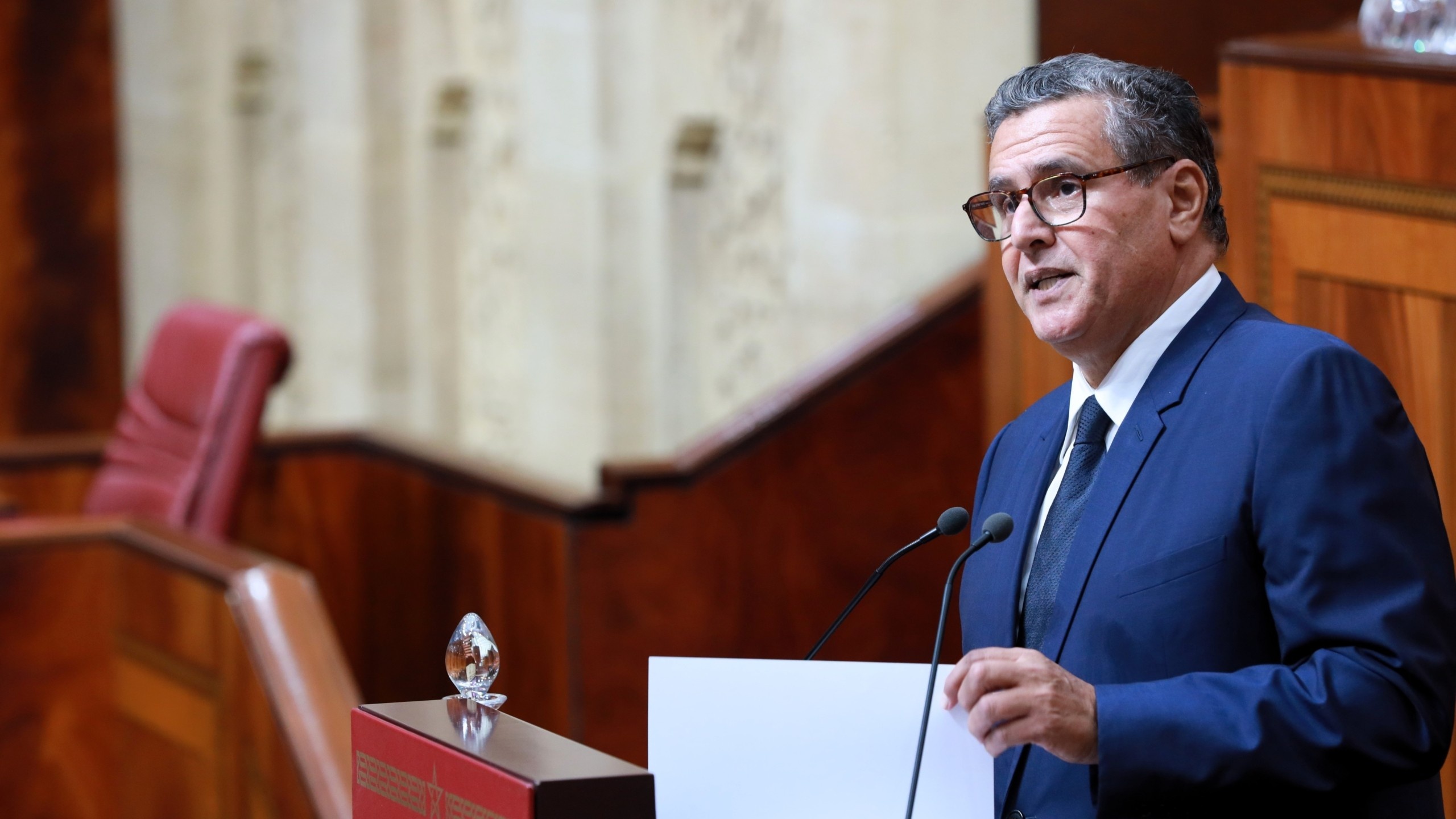
The Moroccan Parliament is set to convene for a pivotal plenary session this coming Monday, placing the country’s ongoing educational reforms at the center of the national political agenda. Prime Minister Aziz Akhannouch is scheduled to appear before the House of Representatives to engage in a session of oral questions, a constitutional mechanism designed to facilitate direct accountability between the executive branch and the legislative body.
This session, which falls under the framework of the monthly plenary meetings dedicated to general policy, arrives at a critical juncture for Morocco’s education sector. As the government continues to implement the framework law 51.17, which serves as the backbone for the strategic vision of the education and training system, lawmakers are expected to press the administration on the practical outcomes of these systemic shifts, particularly regarding teacher recruitment, infrastructure upgrades and the quality of classroom instruction.
For observers of Moroccan politics and international policy analysts, this session is not merely a formality. It represents a high-stakes dialogue on the “Roadmap 2022-2026,” a government-led initiative aimed at improving school performance and reducing dropout rates. The House of Representatives, serving as the lower house of the Moroccan Parliament, remains the primary venue where the executive’s socioeconomic policies are scrutinized by representatives from across the political spectrum.
The Focus on National Education Reform
The core of Monday’s discussion will likely revolve around the implementation of the New Development Model, which identifies education as a primary lever for social mobility and economic growth. Since the launch of the 2022-2026 roadmap, the Ministry of National Education, Preschool and Sports has faced sustained pressure to deliver tangible results. According to the official Ministry of National Education portal, the current reform efforts are focused on three pillars: the student, the teacher, and the school environment.

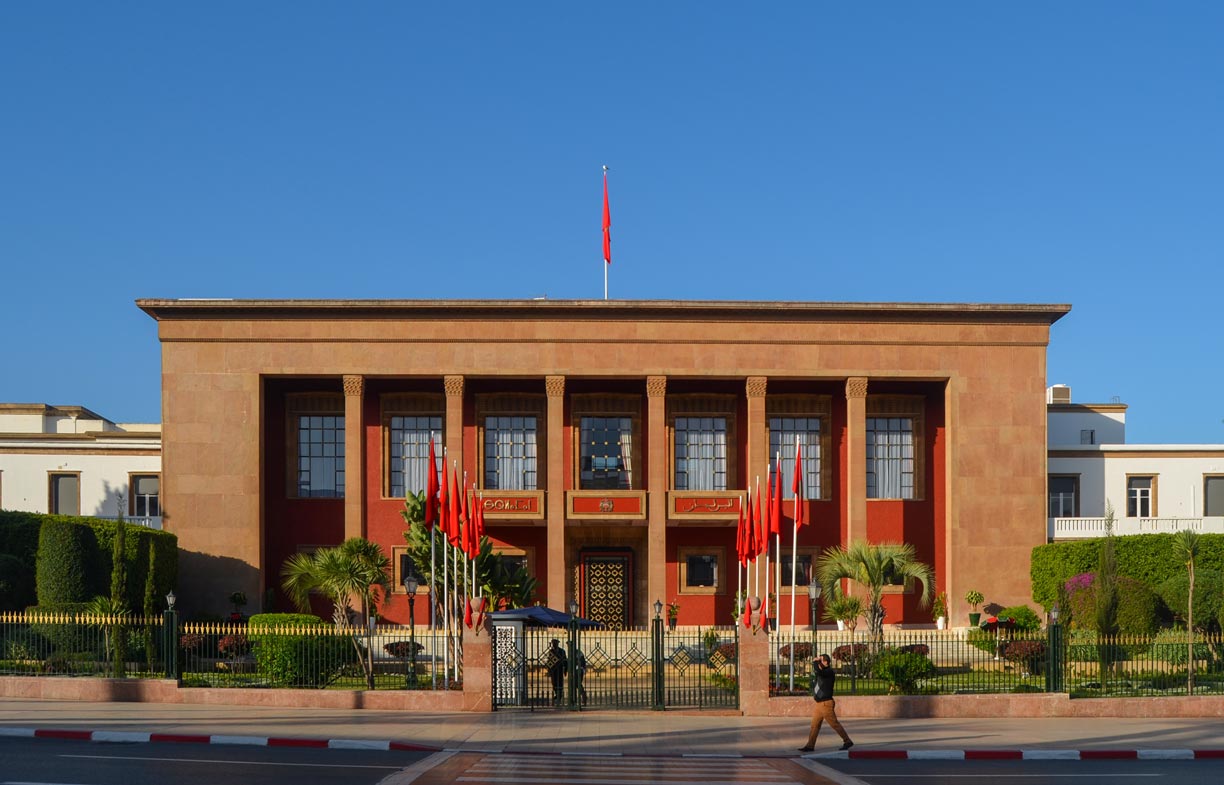
Monday’s session provides a platform for the Prime Minister to defend the administration’s record against criticisms regarding the speed of implementation and the persistent challenges faced by public school teachers. The debate is expected to touch upon the status of the “public school of quality,” a concept championed by the current administration to bridge the gap between public and private education sectors.
Stakeholders, including teacher unions and parent associations, are closely monitoring the proceedings. The session follows a period of significant social dialogue in Morocco, where the government has sought to negotiate new statutes for education personnel. Verification of these ongoing negotiations can be tracked through the official Government of Morocco web portal, which archives legislative updates and executive decrees.
Parliamentary Accountability and General Policy
Under the Moroccan Constitution of 2011, the Prime Minister is required to appear before Parliament once a month to answer questions related to general policy. This ensures that the head of government remains directly answerable to the elected representatives of the people. The structure of these sessions usually involves a primary theme—in this case, education and training—followed by a broader discussion on the government’s overall policy direction.

The parliamentary process is a vital component of Morocco’s evolving democratic landscape. By focusing on education, the House of Representatives is addressing a concern that consistently ranks as a priority for the Moroccan public in national surveys and civil society reports. The intensity of the questions posed by the opposition members will likely reflect the urgency of the sector’s needs, ranging from the digitization of teaching materials to the professional development of the pedagogical workforce.
Key Takeaways: What to Watch
As the session approaches, stakeholders and global observers should focus on several key areas of concern that define the current educational landscape in Morocco:
- Strategic Roadmap Execution: Updates on the progress of the 2022-2026 roadmap, specifically regarding the achievement of learning objectives in primary and secondary education.
- Teacher-Government Relations: Insights into how the government plans to address the grievances of teaching staff, which have historically led to industrial action and school closures.
- Budgetary Allocations: Clarification on how the national budget is being utilized to improve school infrastructure in rural and underserved urban areas.
- Quality Assurance: Measures being taken to standardize the quality of education across different regions, ensuring that the geographic location of a school does not dictate the quality of instruction a student receives.
The emphasis on education underscores the administration’s recognition that long-term economic stability is contingent upon human capital development. As Morocco seeks to position itself as a regional hub for industry and technology, the effectiveness of its education reform will remain a bellwether for its broader developmental success.
Looking Ahead: Next Steps
Following the plenary session on Monday, the House of Representatives is expected to publish a summary of the discussions and the Prime Minister’s responses through its official digital channels. This documentation serves as a public record for citizens and researchers alike. For those looking to follow the proceedings in real-time or access the archived transcripts, the Chamber’s official website is the most authoritative source for legislative updates.
We will continue to monitor the outcomes of this parliamentary session as they unfold. We invite our readers to share their perspectives on the challenges facing education systems in their own regions in the comments section below. For further updates on North African political developments and international policy shifts, keep checking our dedicated news feed at World Today Journal.
Related reading