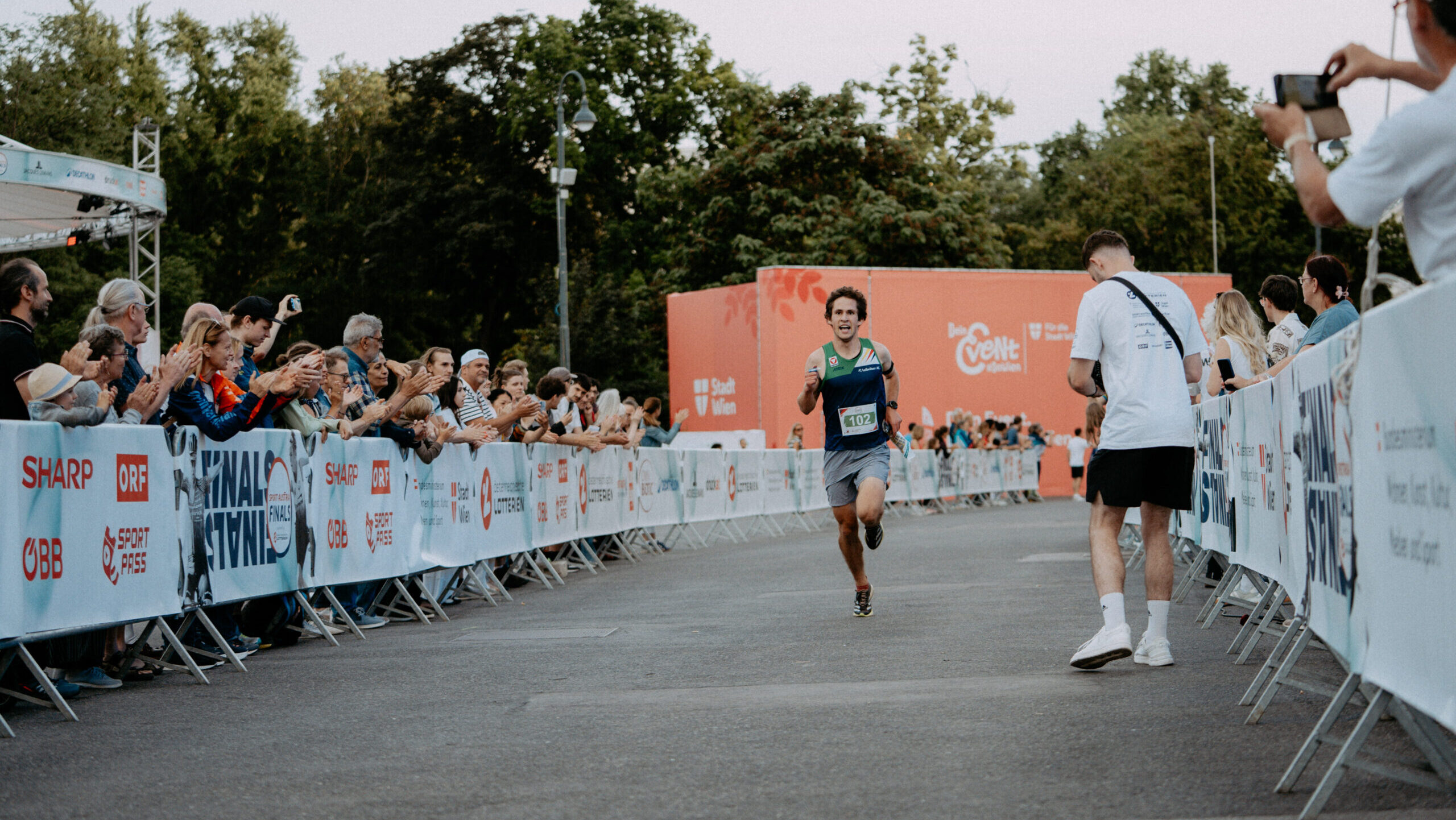
The spirit of competition often reveals itself in the most candid of moments, where the physical demands of elite sport intersect with the raw, human joy of performance. At the recent Sport Austria Finals, athletes from across the nation converged to test their limits in a multi-disciplinary showcase that highlights the depth of Austrian athletic talent. Among the diverse array of disciplines, the focus on track and field events—specifically the running competitions—reminded spectators and participants alike that at the core of every championship is a simple, relentless drive to keep moving forward, even when the pressure of a potential knockout looms.
The Sport Austria Finals serve as a vital platform for both established stars and emerging prospects, providing a stage where the margins between victory and defeat are often measured in milliseconds. As the event continues to grow in stature, its role in the national sports ecosystem becomes increasingly significant, offering a centralized hub for organizations like Sport Austria to promote physical activity, and excellence. For those on the track, the challenge is not merely against their competitors, but against the clock and the physical limitations that define the endurance athlete’s journey.
The Essence of Athletic Resilience
When athletes speak of their performance, the language is often stripped of technical jargon, favoring a more visceral description of their state of being. The phrase “Die Hax’n waren einfach gut”—a colloquial Austrian expression essentially translating to “the legs were just fine”—captures the elusive feeling of peak physical readiness that every runner chases. This sentiment was echoed by participants throughout the finals, reflecting the relief and satisfaction that comes when months of training align perfectly with the demands of a high-stakes race.
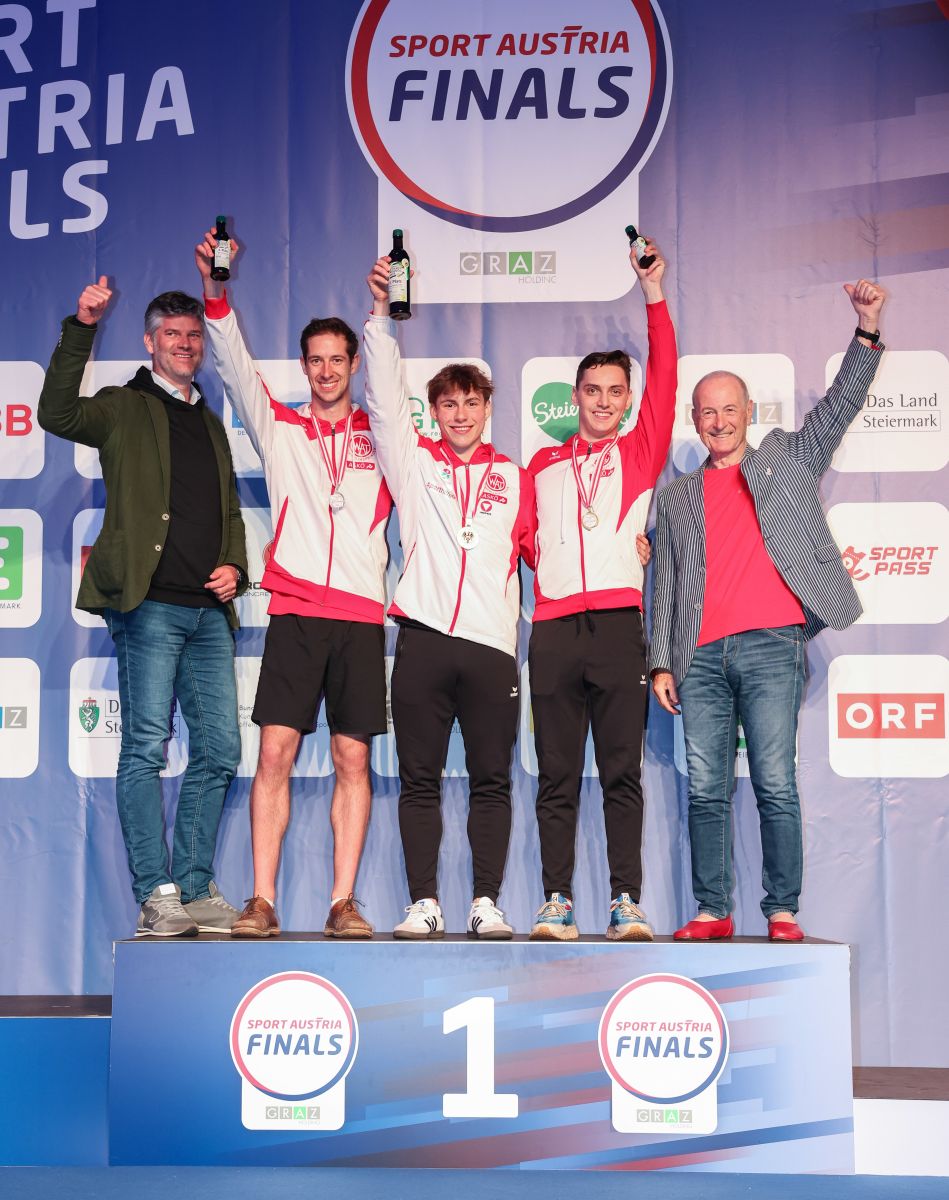
The Sport Austria Finals, which bring together dozens of national championships under one umbrella, provide an environment where this type of athletic focus is paramount. By hosting multiple disciplines in a single timeframe, the organizers create a festival-like atmosphere that encourages cross-pollination between sports and fosters a sense of community among athletes who might otherwise remain isolated within their specific training bubbles. For more information on the structure and mission of these competitions, participants and fans can consult the official portal of Sport Austria, which outlines the regulatory framework and event schedules for national championships.
Managing the Pressure of the Knock-Out
In any tournament-style format, the fear of the “knock-out”—the sudden end to one’s championship aspirations—is a constant psychological hurdle. Whether in a heat-based running event or a bracketed team sport, the pressure to perform on command requires a level of mental fortitude that is as essential as physical aerobic capacity. The Sport Austria Finals utilize standardized competition protocols, often aligned with international governing body regulations, to ensure that the path to a podium finish remains fair and transparent for all participants.
This commitment to competitive integrity is overseen by various national sports federations, which work in tandem with the central organizing committee to manage everything from anti-doping protocols to equipment certification. Understanding these regulations is essential for any athlete looking to advance through the ranks. Detailed information regarding the compliance requirements for national-level competition can be found through the Austrian Federal Chancellery’s sports department, which provides oversight and policy direction for the nation’s sporting landscape.
Beyond the Track: The Broader Impact
While the focus at the Sport Austria Finals is naturally on the results, the broader impact of the event lies in its ability to inspire the next generation of athletes. By showcasing a variety of sports in a high-visibility format, the finals help to normalize the pursuit of excellence across disciplines that may not always receive the same level of media attention as major international football matches. This inclusive approach is a cornerstone of the national sports strategy, aimed at increasing participation rates across all demographics.
The success of these finals relies on a complex logistical operation, involving municipal partners, private sponsors, and thousands of volunteers. As the sporting calendar for 2026 continues to unfold, the lessons learned from these finals will undoubtedly influence future event planning. Athletes and coaches interested in the upcoming development programs or qualifying criteria for future championship cycles should monitor the official updates provided by their respective national governing bodies, which serve as the primary source for all competition-related filings and schedule adjustments.
Looking Ahead
The journey for these athletes does not end with the conclusion of the finals. Many are already looking toward the next major international qualification events or seasonal training camps. The dedication required to maintain a high level of fitness throughout the year is a testament to the commitment these individuals have to their craft. As we move further into the summer season, the focus shifts to regional training centers and individual performance planning, with many athletes adjusting their routines to address the specific demands of upcoming autumn competitions.
We encourage our readers to share their thoughts on the performance of their favorite athletes during this year’s finals. Whether you are an aspiring athlete yourself or a dedicated fan of the sport, the conversation continues in our comments section below. Stay tuned for further updates as we continue to track the progress of Austria’s top competitors throughout the remainder of the 2026 sports calendar.
Keep reading