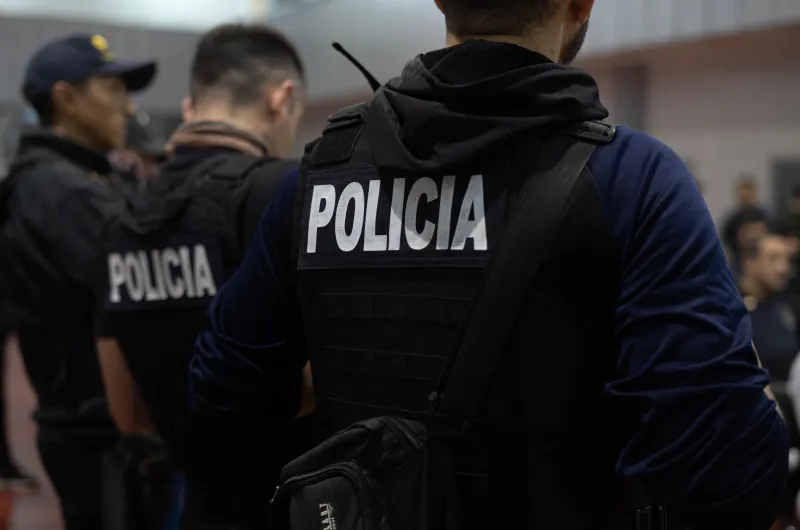
In a case that has drawn significant scrutiny toward law enforcement conduct in Argentina’s Misiones province, a police officer has been detained following allegations of unauthorized financial activity involving a citizen’s credit card. The incident, which has sparked a broader conversation regarding the integrity of police procedures during custody, centers on the alleged misappropriation of a payment card belonging to a man who had been processed by local authorities.
As the investigation into this police officer accused of credit card fraud unfolds, the case highlights the critical importance of secure evidence handling and the protection of personal property during detention. For the legal community and the public alike, the matter serves as a stark reminder of the ethical standards required of those entrusted with public safety.
The Allegations and Initial Investigation
The investigation, which gained momentum following an internal review of police conduct, focuses on the actions of an officer attached to the Misiones Provincial Police. According to reports from the local judiciary, the officer allegedly utilized the credit card of a detainee—an individual who had been taken into custody—to make a series of unauthorized purchases. The breach was identified after the victim noticed suspicious activity on their financial statement following their release from police custody.

The Misiones Provincial Police have been under mounting pressure to ensure transparency as the internal affairs division cooperates with the provincial prosecutor’s office. Under the local penal code, the unauthorized use of a third party’s credit card constitutes a serious offense, often categorized as fraud or illicit enrichment, depending on the specific findings of the judicial investigation. The officer in question was apprehended as part of an administrative and criminal probe designed to determine the scope of the unauthorized transactions.
Legal Implications of Misconduct in Custody
When an individual is taken into custody, law enforcement agencies are mandated to inventory and secure all personal belongings, including wallets, mobile devices, and financial instruments. This process is not merely a formality but a legal safeguard designed to prevent theft, loss, or tampering. The alleged failure to adhere to these protocols in this instance has raised questions about departmental oversight.
Legal experts note that such incidents can lead to severe consequences for the individuals involved, including immediate suspension, dismissal from the force, and potential incarceration. The breach of trust inherent in these allegations can complicate ongoing legal proceedings against the original detainee, as defense attorneys may argue that the integrity of the entire arrest process has been compromised by the officer’s alleged actions.
Key Takeaways
- Accountability: The investigation underscores the necessity of strict chain-of-custody protocols for personal items seized during arrests.
- Legal Standards: Unauthorized use of financial data is a criminal act that carries significant penalties under Argentine law, including potential prison sentences.
- Institutional Trust: Public confidence in law enforcement is heavily dependent on the ethical conduct of individual officers, particularly when interacting with vulnerable detainees.
Next Steps in the Judicial Process
At this stage, the investigation remains active. Prosecutors are currently analyzing digital footprints, including transaction records and surveillance footage from the merchants where the card was allegedly used. The accused officer remains in detention while the court evaluates the evidence presented by the prosecution. A formal hearing is expected to determine the next steps in the legal proceedings, including whether the officer will face trial for the alleged crimes.

As the case progresses, the Misiones judiciary is expected to issue updates regarding the status of the investigation. For those following this story, It’s crucial to rely on official statements from the Superior Tribunal of Justice of Misiones to ensure accuracy, as local media coverage may evolve as new evidence comes to light.
The outcome of this case will likely serve as a benchmark for how similar incidents of misconduct are handled within the region. We will continue to monitor the situation closely as official reports are released. If you have insights or would like to discuss the broader implications of this story, we encourage you to share your thoughts in the comments section below.
Worth a look