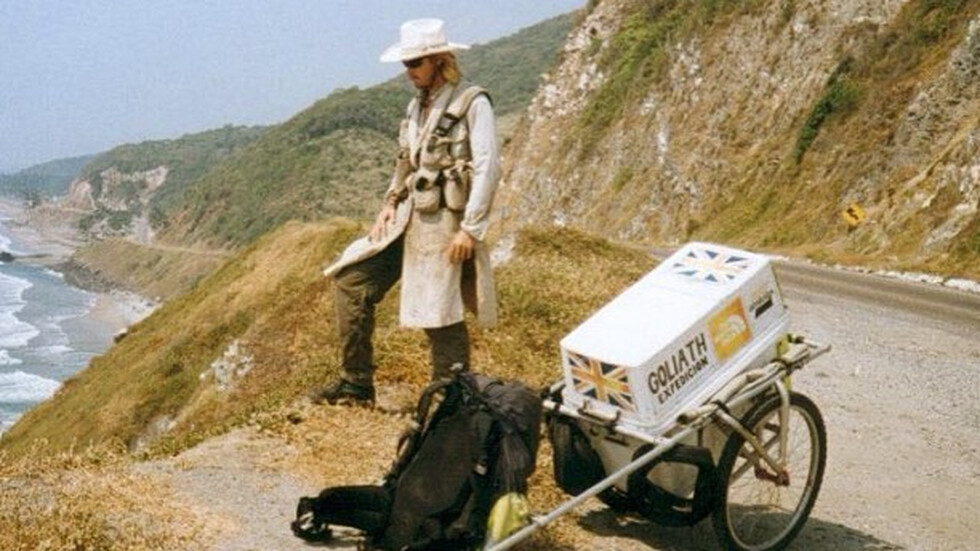
In a world defined by rapid transit and the constant hum of digital connectivity, the choice to traverse the globe entirely on foot remains one of the most profound acts of endurance. For many, the concept of a long-distance trek is a weekend hobby; for Jean Béliveau, it became a twenty-four-year odyssey that redefined the boundaries of human willpower and global exploration. His journey, which spanned over 50,000 kilometers across 64 countries, stands as a testament to the transformative power of the open road.
The story of the man who walked around the world is more than a record of mileage or a list of borders crossed. It is a narrative of cultural immersion, physical resilience, and the search for a deeper understanding of the human condition. As we examine the logistics and the legacy of such an extraordinary expedition, it becomes clear that Béliveau’s journey serves as a poignant reminder of the interconnectedness of our global community.
The Genesis of a Global Journey
Jean Béliveau, a former businessman from Quebec, Canada, embarked on his historic walk on August 18, 2000—his 45th birthday. The decision was not a whim, but a calculated pivot following the collapse of his small business. Seeking a radical change of perspective, he traded the boardroom for a pair of walking shoes and a custom-made pushcart that would carry his essential supplies, including a sleeping bag, a first-aid kit, and basic clothing. According to Guinness World Records, this expedition is officially recognized as the first continuous walk around the world, covering a staggering distance of 75,554 kilometers (approximately 46,947 miles) by the time he concluded his journey in 2011.
The scale of this undertaking cannot be overstated. Unlike modern expeditions that rely on support vehicles or pre-arranged logistics, Béliveau relied largely on the hospitality of strangers and the inherent kindness he encountered in every village and city he passed. His route took him through diverse terrains, from the scorching heat of deserts to the challenging climates of the Andes and the varied landscapes of Asia and Europe. The logistical complexity of navigating international visas, changing political climates, and varying safety conditions required meticulous planning and extreme adaptability.
Living on the Road: The Human Dimension
For more than a decade, Béliveau’s life was defined by the rhythm of his footsteps. He often noted that his journey was not just about the physical act of walking, but about the “slow speed” of travel that allowed him to truly engage with the people he met. By moving at walking pace, he transcended the role of a traditional tourist, becoming a participant in the daily lives of those he encountered. His mission, which he titled “World March for Peace and Non-Violence,” sought to promote a message of global unity, particularly for the benefit of children.
Navigating such a journey requires immense psychological fortitude. Béliveau faced numerous hurdles, including bouts of illness, the loneliness of long stretches in remote areas, and the constant need to secure food and shelter. Yet, he consistently credited the generosity of individuals across the globe as the catalyst that allowed him to press forward. His experience highlights a critical aspect of international travel: the underlying capacity for empathy that exists across cultural and linguistic divides, a sentiment echoed by various international organizations focused on global peace and cooperation.
The Legacy of the Long Walk
When Béliveau returned to Montreal in 2011, he was a different man. He had spent 4,028 days on the road, worn out 54 pairs of shoes, and traversed 64 countries. His return marked the end of an era, but the beginning of a legacy that continues to inspire long-distance hikers and global travelers. His story has been documented extensively, most notably in his book, “In Her Footsteps,” and through various media outlets that have sought to capture the essence of his transformative experience.
Today, the story of his walk serves as a case study in endurance and human potential. It challenges the modern obsession with efficiency and speed, suggesting that there is inherent value in the journey itself, rather than merely the destination. For those interested in the history of such expeditions, the Explorers Club provides a wealth of information on individuals who have pushed the boundaries of human exploration through non-motorized means.
Key Takeaways from the Expedition
- Duration and Scope: The journey lasted 11 years, covering over 75,000 kilometers and spanning 64 nations.
- Mission-Driven Travel: The walk was dedicated to the cause of peace and non-violence, specifically advocating for children.
- Cultural Connection: The primary mode of survival was the integration into local communities, relying on communal hospitality.
- Human Resilience: The expedition remains a benchmark for long-distance endurance, proving that significant global goals can be achieved through consistent, daily effort.
As we look forward, the story of Jean Béliveau remains a vital touchstone for anyone interested in the intersection of travel, sociology, and personal growth. His journey did not just span the globe; it spanned the gap between cultures, proving that the world is, in many ways, much smaller and more welcoming than we often imagine. We invite our readers to share their thoughts on the nature of long-distance exploration and what it means to truly “see” the world. Join the conversation in the comments section below and let us know your perspective on the future of global travel.
Worth a look