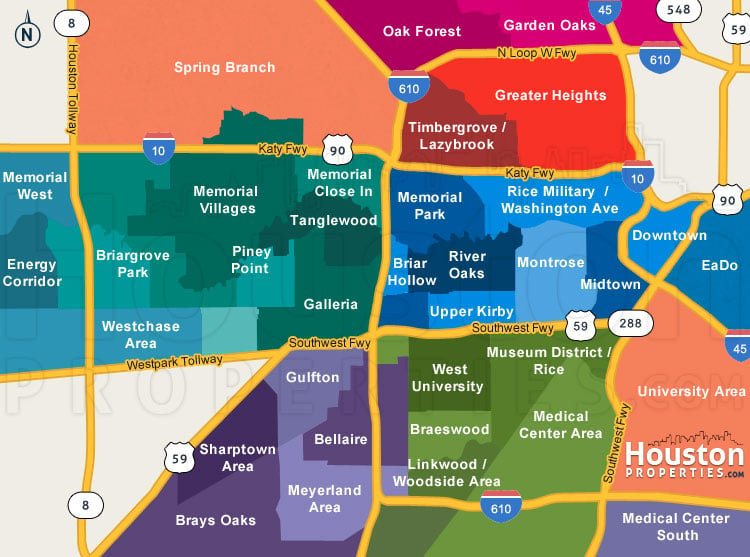
Relocating to a major metropolitan area is a decision that requires careful consideration of economic factors, community infrastructure, and long-term urban development. For those considering a move to Houston, Texas, in 2026, understanding the city’s complex landscape is essential for making an informed choice. As the fourth-largest city in the United States, Houston presents a diverse array of neighborhoods, each with distinct characteristics regarding proximity to employment hubs, public amenities, and municipal services.
When evaluating where to live in Houston, prospective residents often prioritize access to the city’s robust economic engines, including the Texas Medical Center and the expansive energy sector. According to the City of Houston’s official profile, the region is defined by its lack of formal zoning, which contributes to a unique, mixed-use urban fabric. This structural reality means that residential planning requires a granular look at local school districts, flood plain designations, and transit accessibility.
Navigating the Houston Housing Market
The decision to relocate to Houston involves navigating a competitive real estate market. Data from the Houston Association of Realtors indicates that market trends are heavily influenced by interest rates and inventory levels across the Greater Houston area. For families and professionals alike, the search for a community often hinges on balancing the cost of living with the desire for specific lifestyle amenities, such as green spaces, proximity to cultural institutions, or shorter commute times to the downtown core.
Prospective buyers are encouraged to utilize official resources to assess neighborhood stability. The U.S. Census Bureau provides demographic and economic data that can assist in evaluating the socioeconomic composition of different districts. Because Houston’s geography is significantly shaped by its bayou systems, it is vital for any new resident to verify property locations against the FEMA Flood Map Service Center to understand potential environmental risks before committing to a purchase.
Key Considerations for New Residents
Beyond the physical property, moving to a new city requires an understanding of the local governance and public services. Houston operates under a strong mayor-council form of government, and residents are served by various independent school districts, which are often a primary driver for families choosing specific neighborhoods. It is advisable to review the Texas Education Agency performance reports for schools within potential relocation areas to ensure they align with educational priorities.
the city’s transit authority, METRO, continues to manage the expansion of public transportation options, including light rail and bus rapid transit lines. Evaluating the proximity of a potential home to these transit corridors can significantly impact daily mobility, especially given the city’s vast geographic footprint. For those who rely on personal vehicles, understanding the ongoing infrastructure projects managed by the Texas Department of Transportation is a practical step in anticipating future traffic patterns, and accessibility.
Community Planning and Future Growth
As Houston moves further into 2026, the city’s development continues to be guided by long-term master plans. These documents often outline the city’s approach to affordable housing, infrastructure resilience, and economic development. Engaging with these official city planning documents allows residents to see where future investment is being directed, which can be an indicator of neighborhood appreciation and service improvements.
For those currently in the process of deciding on a community, it is recommended to visit the official City of Houston website to access the most current information on municipal services, public hearings, and community development initiatives. Staying informed through these official channels ensures that your relocation strategy is built on verified, transparent data rather than anecdotal information.
Moving Forward: Next Steps
The next official update regarding city-wide planning and municipal development is expected to be presented during the upcoming City Council sessions. Residents and prospective homeowners are encouraged to monitor the Houston City Council meeting calendar for agendas and opportunities for public comment. Ensuring that you are following these official updates will provide the most accurate picture of how the city is evolving throughout the remainder of 2026.
If you have found this overview of the Houston relocation landscape helpful, please feel free to share your thoughts or questions in the comments section below. We welcome your engagement as we continue to track the developments shaping urban life in one of America’s most dynamic cities.