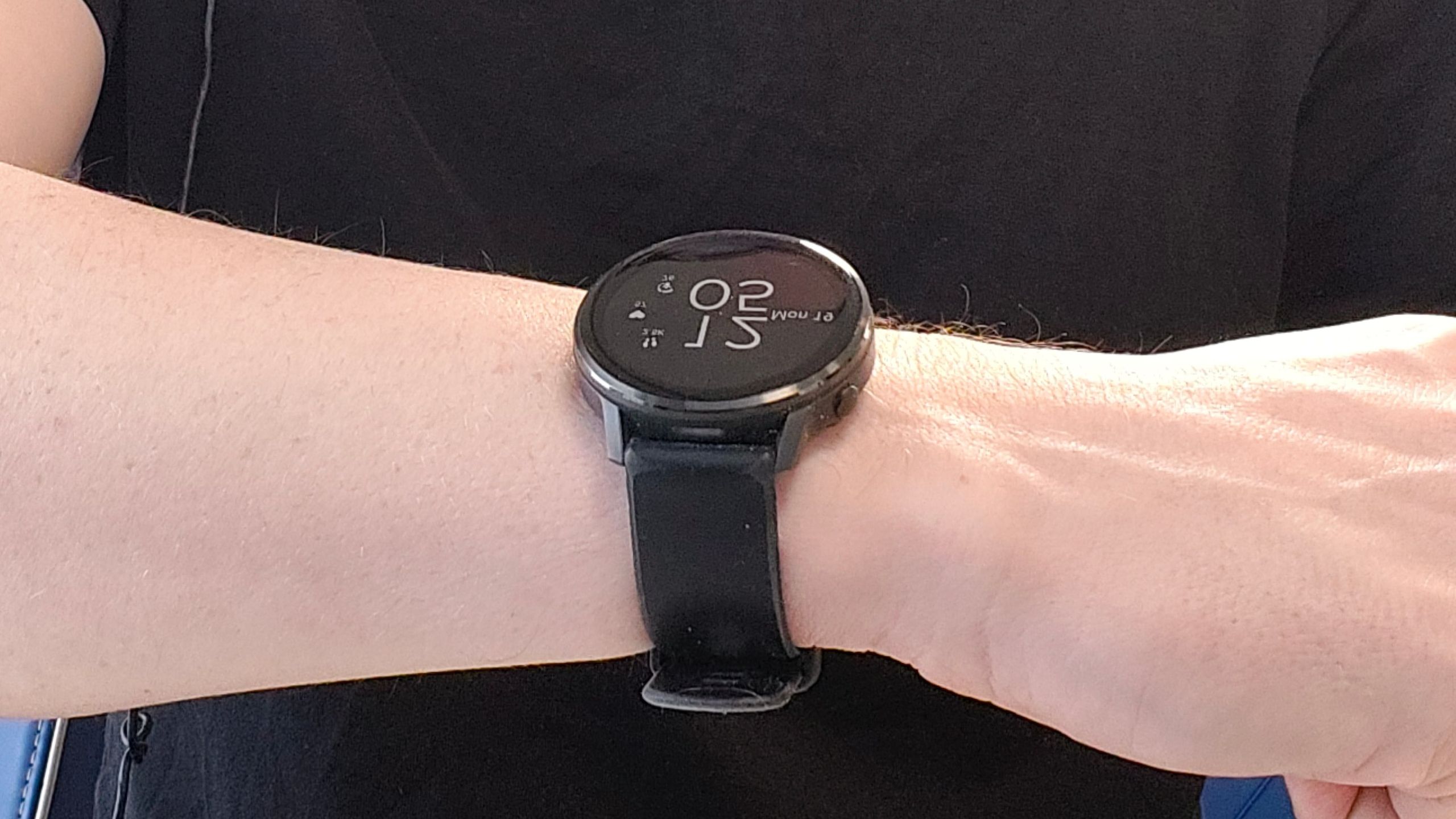
As Garmin continues to refine its ecosystem of wearable technology, the company’s approach to software lifecycle management has come into sharper focus for long-term users. For many, a premium smartwatch is an investment expected to last several years, yet the reality of modern consumer electronics often involves a gradual transition where older hardware reaches its functional ceiling. Recent updates to the Garmin software distribution strategy have highlighted this divide, confirming that while new features are rolling out to the latest models, some legacy devices will no longer receive the same level of functional expansion.
Understanding how your specific device fits into this roadmap is essential for those relying on their wearables for training, navigation, and health monitoring. As a tech journalist who has spent years tracking the intersection of hardware longevity and software development, I have seen this pattern emerge across the industry. When a manufacturer reaches the limit of what a chipset or memory capacity can support, they must make difficult decisions regarding feature parity. For Garmin users, this means that while the core reliability of your device remains, the frontier of new software capabilities is increasingly reserved for the latest hardware generations.
The core of this transition centers on the Garmin software update policy, which balances the need to support a vast, diverse product lineup with the technical constraints inherent in older sensor arrays and processing units. As the company pushes forward with new metrics, interface designs, and connectivity protocols, the gap between the newest flagship models and their predecessors has widened. This is not necessarily a reflection of device failure, but rather a standard industry evolution where advanced algorithms—such as those used in sophisticated sleep tracking or complex physiological modeling—require hardware specifications that legacy models simply do not possess.
Understanding the Software Lifecycle
To navigate these updates, it is important to distinguish between two types of software maintenance: critical security and stability patches, and feature-rich functional updates. Garmin has historically maintained a robust commitment to fixing bugs and ensuring the security of its devices, even as they age. This is a critical distinction for the user base, as it ensures that your watch remains a secure, functional tool for its intended purpose—tracking activity and syncing data—long after it has stopped receiving the latest aesthetic or performance-based features.
The current landscape of Garmin wearables is vast, covering specialized needs for aviation, marine, outdoor recreation, and elite athletics. Each of these segments has its own update cadence. For users with older devices, the most significant impact is the exclusion from “feature drops”—the periodic, large-scale updates that introduce new training load metrics, advanced recovery tools, or UI overhauls. These features are often computationally expensive, requiring real-time processing power that the older, lower-power microcontrollers in legacy watches were not designed to handle.
For those looking to verify if their device is still in the active feature-update cycle, the official Garmin Support Center remains the definitive resource. By entering your specific model name or serial number, you can view the most recent firmware releases and check if your device is receiving the latest public beta or stable software versions. This is the only way to confirm whether a specific device is slated for further feature development or has transitioned into a maintenance-only status.
What This Means for Your Daily Training
If you are an athlete who relies on specific metrics—such as real-time stamina tracking, advanced heart rate variability (HRV) analysis, or multi-band GNSS accuracy—the software update policy directly affects your data collection. When a new feature is released, it is often tied to the specific sensors found in the latest models. For instance, a new SpO2 algorithm or a more efficient GPS tracking mode may rely on the physical hardware configuration of a newer watch, making it impossible to “patch” onto an older device via software alone.

This reality can be frustrating for power users, but it is a common reality in the tech sector. From a software engineering perspective, maintaining legacy codebases across dozens of different hardware versions increases the risk of instability and bugs. By limiting the scope of new feature deployments to modern hardware, companies can ensure that the user experience remains speedy, responsive, and reliable. The goal, is to prevent the “feature bloat” that can lead to battery drain and system crashes on older, less capable hardware.
It is also worth noting that the “end” of feature updates does not signify the end of the product’s life. Many users continue to get years of excellent service from their devices long after the final feature update has been delivered. If your watch still accurately tracks your runs, cycles, and daily steps, its utility to your training program remains unchanged. The decision to upgrade should be based on a need for new, specific features rather than a fear that the current device will cease to function.
Future-Proofing Your Tech Investment
For those currently considering a new purchase, the best way to extend the longevity of your investment is to look for devices that have recently entered the market. These models typically benefit from the longest window of future software support. Following the official Garmin Newsroom can provide insights into the company’s long-term product strategy and upcoming software initiatives.
As we move through 2026, the pace of innovation in wearable tech continues to accelerate. From AI-driven recovery insights to more seamless integration with third-party fitness platforms, the software is becoming just as important as the hardware itself. While it is natural to want the latest features on the device you already own, there is a clear technical boundary that manufacturers must respect to keep these systems stable. By staying informed through official channels and understanding the limitations of your hardware, you can make the most of your tech, whether you are using a brand-new release or a trusted, legacy companion.
We will continue to monitor official communications regarding firmware roadmaps and software compatibility as new updates are announced throughout the year. If you have questions about your specific model or how to optimize your current setup, feel free to check the official documentation or reach out to Garmin’s support team directly. What has been your experience with software updates on your current wearable? Let us know in the comments below.
Related reading