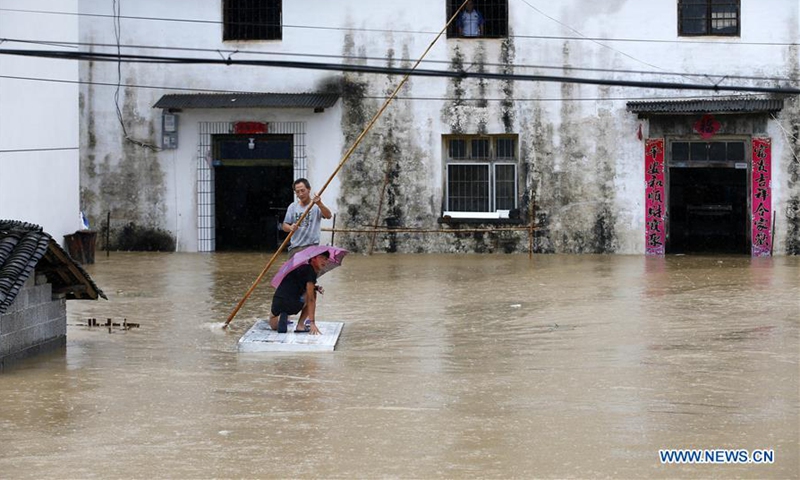
As the 2026 National College Entrance Examination—commonly known as the gaokao—approaches, education authorities and meteorological services across China have mobilized to ensure the safety and success of millions of students. With the examination period officially commencing, regional governments are issuing targeted weather warnings and implementing contingency plans to mitigate the impact of unpredictable atmospheric conditions on the testing process.
In Heilongjiang Province, officials have issued a formal weather advisory, alerting students and their families to the likelihood of intermittent showers and thunderstorms throughout the examination period. This proactive communication is part of a broader, nationwide effort to provide students with the necessary information to navigate potential disruptions, ranging from localized flooding to significant transit delays, as documented by the Heilongjiang Provincial Department of Education.
National Coordination for Examination Security
The emphasis on weather preparedness is a cornerstone of the broader “2026 Gaokao Escort Action,” an initiative coordinated by the Ministry of Education in conjunction with various provincial departments. This multi-agency collaboration is designed to safeguard the integrity and accessibility of the examination. According to official reports from the Ministry of Education of the People’s Republic of China, the government has established comprehensive oversight mechanisms to address emergencies, including extreme weather events, to ensure that every candidate has a fair opportunity to complete their papers.
The scale of this logistical undertaking is immense, involving the synchronization of public transit, traffic management, and emergency response teams. Authorities have underscored the importance of early planning, advising students to monitor local meteorological alerts closely and to account for potential travel time adjustments necessitated by inclement weather. In cities where heavy rainfall is predicted, local municipal governments have signaled that they are prepared to initiate temporary traffic controls and emergency transport solutions to facilitate the arrival of students at their designated examination centers.
Navigating Localized Weather Challenges
While the focus in the northeast remains on managing the impact of convective weather systems, other regions are facing distinct challenges. Meteorological departments in southern provinces have warned of potentially heavier rainfall, urging candidates to plan their travel routes with a significant buffer to avoid congestion caused by storm-related disruptions. The China Meteorological Administration continues to provide real-time updates to provincial education bureaus, ensuring that local contingency plans remain agile and responsive to shifting atmospheric patterns.
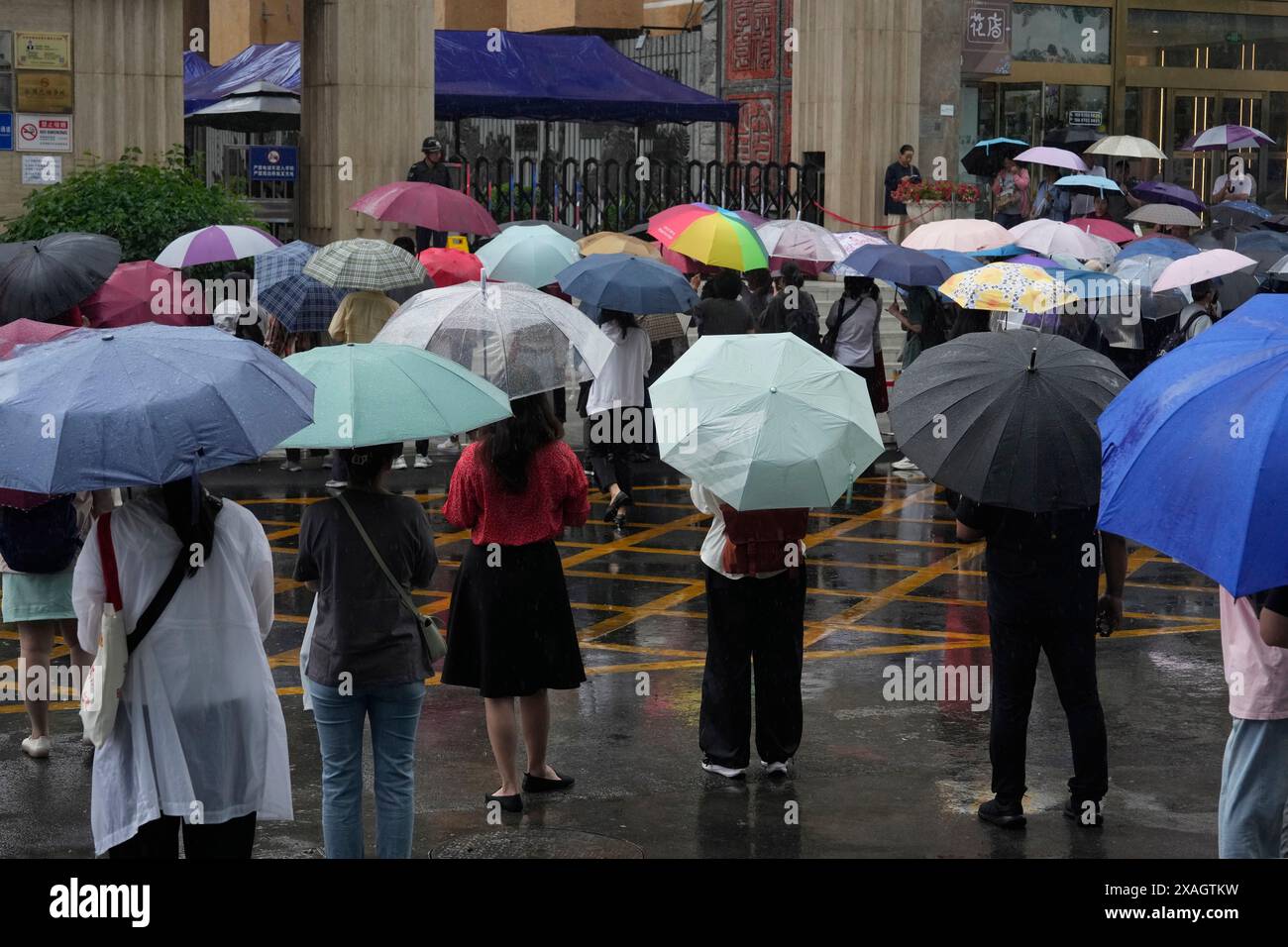
For parents and students, these advisories serve as a critical component of the final preparations. Education experts suggest that beyond the academic rigor of the exam, the ability to manage environmental stressors—such as sudden weather shifts—is an essential aspect of the gaokao experience. The focus remains on “people-centered education,” a priority highlighted by central government officials during recent inspections of educational infrastructure and administrative preparedness.
Ensuring a Fair and Safe Examination Environment
Beyond weather-related logistics, the 2026 examination cycle is marked by a heightened focus on administrative transparency and security. The Ministry of Education has explicitly stated that it has opened dedicated reporting hotlines to allow the public to flag irregularities or concerns during the examination process. This measure is intended to maintain the high standards of the national testing system and to provide an additional layer of accountability, as noted in the official information portals of the State Council.
As the final countdown begins, the primary objective of these coordinated efforts is to minimize external stressors for the candidates. Whether through the provision of accurate weather forecasting or the implementation of strict traffic management protocols, the collective aim of provincial and national agencies is to create a secure environment that allows students to focus entirely on their performance. For those preparing for the upcoming tests, checking local education department websites for specific, region-based guidance remains the most reliable method for accessing real-time updates.
The next major checkpoint in this process will occur immediately following the conclusion of the examinations, as provincial bureaus begin the transition to the grading and evaluation phase. We invite our readers to share their experiences or local observations regarding examination week in the comments section below, as we continue to monitor the progress of this year’s gaokao.
Keep reading