
In the modern era, the digital landscape serves as both a sanctuary and a battlefield for the LGBTQ+ community. For many, the internet is the primary space to explore identity, find community, and express nuances of self that might be suppressed in physical environments. However, this increased visibility comes with a significant technological cost: a heightened vulnerability to doxing, harassment, and systemic moderation failures.
As digital identities become increasingly intertwined with our physical realities, the concept of “digital rights” has moved from theoretical legal debate to a matter of immediate personal safety. Whether it is navigating the complexities of dating apps, protecting one’s location during public demonstrations, or managing the visibility of gender identity in a social media bio, the technical tools we use must be matched by a robust understanding of digital self-defense.
Recent discussions surrounding digital rights for LGBTQ+ individuals have highlighted a recurring theme: the struggle for autonomy. Autonomy in the digital age means having the power to decide what aspects of oneself are shared, how one is presented to the world, and—crucially—what remains private. This article explores the critical intersection of identity and online safety, addressing the most pressing technical and privacy concerns facing the community today.
The Paradox of Visibility: Navigating Online Dating Safely
Online dating platforms have revolutionized how people connect, offering unprecedented access to niche communities. Yet, for LGBTQ+ users, these platforms often present a unique set of security risks. The tension between the desire for authentic connection and the need for physical safety creates a complex landscape of risk management.
One of the primary concerns involves the use of imagery. While users naturally want to present an attractive and authentic version of themselves, certain types of photos can inadvertently facilitate doxing or stalking. For instance, photographs that include identifiable landmarks, street signs, or even the specific view from a window can allow bad actors to triangulate a user’s approximate location. Tech experts recommend utilizing “neutral” backgrounds that do not provide geographic context.
the technical architecture of dating apps—specifically how they handle location data—remains a point of concern. Many apps use high-precision GPS to facilitate “nearby” matching. While this is a core feature, it can be exploited. Users are encouraged to scrutinize the permission settings on their mobile devices, opting for “approximate location” rather than “precise location” where the application allows, and being mindful of how much data they are willing to broadcast to a platform’s servers.
Mitigating the Risk of Doxing and Public Exposure
For many in the transgender and non-binary communities, digital privacy is not just about avoiding spam. it is a fundamental component of physical security. Doxing—the intentional release of private, identifying information such as home addresses or phone numbers—is a weaponized tactic used to intimidate and harass.
The challenge is particularly acute for young people or those whose legal identities may not align with their lived identities. When personal data is scraped from social media or harvested from public records, it can become nearly impossible to “delete” one’s presence from the internet. This is often due to the ecosystem of data brokers—companies that collect, aggregate, and sell personal information to third parties.
Mitigating these risks requires a multi-layered approach to digital hygiene:
- Data Broker Opt-Outs: While challenging, individuals can systematically request the removal of their information from major data aggregator sites.
- Privacy Settings Audit: Regularly reviewing the privacy settings on all social media accounts to ensure that contact information and location services are restricted to “friends only” or disabled entirely.
- Alias Usage: Where possible, using pseudonyms or digital handles that are not directly linked to legal names or primary email addresses can create a buffer between a digital persona and a physical identity.
The Content Moderation Crisis: Why Reporting Often Fails
A frequent source of frustration for LGBTQ+ users is the perceived inadequacy of social media content moderation. Many users report that while they are quick to see homophobic or transphobic content, their own reports of hate speech often go unaddressed. This “moderation gap” is a systemic issue rooted in the technical and economic realities of platform management.
The scale of modern social media makes human moderation of every single post an impossibility. Platforms rely heavily on automated systems and AI-driven algorithms to identify and remove violating content. However, these algorithms often struggle with the nuances of language, sarcasm, and community-specific context. An algorithm might fail to recognize a slur used in a hateful context, or conversely, it might accidentally flag a community member using reclaimed language as a violation.
the “whack-a-mole” nature of online harassment means that as soon as one account is banned, another is created. This creates a sense of impunity for bad actors. For advocacy organizations like the Electronic Frontier Foundation (EFF), this highlights a broader issue of platform accountability and the need for more transparent, effective, and context-aware moderation policies that protect vulnerable groups without infringing on broader digital liberties.
Identity Markers and the Risks of Digital Expression
In the digital realm, identity is often communicated through symbols: a pride flag in a bio, a specific color palette, or a set of emojis. While these are powerful tools for community building, they can also function as digital “beacons” for those seeking to target specific groups.
The decision to include flags—such as the gay, trans, or Palestinian flags—in a social media profile is a personal one that involves weighing the benefits of community visibility against the potential for targeted harassment. In certain geopolitical contexts, these symbols can carry heightened risks, potentially leading to shadowbanning (where a platform’s algorithm limits the reach of certain content) or direct digital attacks.
This tension underscores the importance of “contextual privacy.” Digital literacy now includes understanding how different platforms interpret symbols and how those interpretations might affect a user’s visibility and safety. Users must be empowered to decide how much of their political or social identity they wish to broadcast, especially when operating in environments with varying levels of moderation and protection.
Practical Steps for Digital Self-Defense
Building a safer online space requires a combination of individual vigilance and collective advocacy for better platform design. For those looking to strengthen their digital footprint, the following technical practices are recommended:
Securing Your Accounts
Multi-factor authentication (MFA) is no longer optional; it is a necessity. Using hardware security keys or authenticator apps is significantly more secure than SMS-based two-factor authentication, which is vulnerable to SIM-swapping attacks. This is a critical defense against account takeovers, which are often used to harass or expose users.
Managing Your Metadata
Every photo you upload contains metadata (EXIF data) that can include the exact time, date, and GPS coordinates of where the photo was taken. Before uploading sensitive images, use tools to “strip” metadata from your files to ensure you aren’t inadvertently sharing your location.
Safe Participation in Physical Events
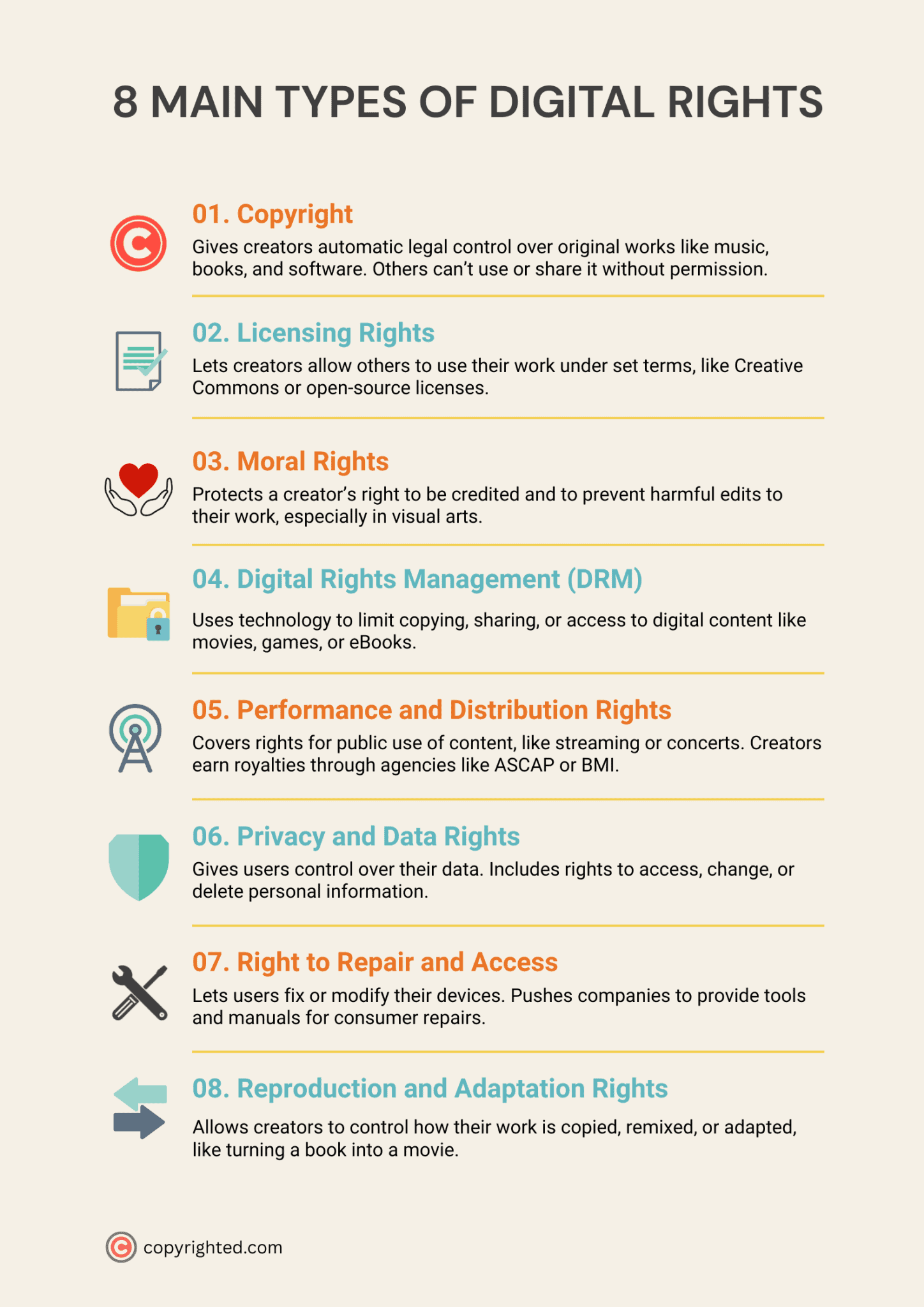
When attending large-scale events like Pride festivals, the crossover between digital and physical safety is paramount. Avoid using real-time location sharing on social media during the event. Be mindful of “geotagging” posts, and consider using a VPN (Virtual Private Network) to encrypt your internet traffic, especially when using public Wi-Fi networks common at large gatherings.
Key Takeaways for LGBTQ+ Online Safety
- Control Your Context: Use neutral backgrounds in photos to prevent location triangulation.
- Layer Your Privacy: Combine strict social media privacy settings with proactive data broker opt-outs.
- Audit Your Tools: Use app-based MFA and strip metadata from images before posting.
- Understand the Limits: Recognize that content moderation is imperfect and prepare digital defenses accordingly.
The future of digital rights depends on our ability to demand platforms that are designed with the safety of marginalized communities in mind. This means pushing for better algorithmic transparency, more robust moderation tools, and a fundamental respect for user privacy and autonomy.
As we look toward upcoming digital rights summits and legislative hearings regarding social media accountability, the conversation must remain centered on the real-world implications of digital policy. The goal is an internet that is not only private and safe but also a space where everyone can live and express themselves with pride.
Do you have questions about digital privacy or online safety? We invite you to share your thoughts and experiences in the comments below.
Related reading