The security situation across the Middle East remains volatile as hostilities intensify along the Lebanese-Israeli border. Recent reports indicate that the Israeli military has continued a series of aerial bombardments targeting locations within Lebanon, resulting in civilian casualties and heightening concerns over a broader regional escalation. As the conflict persists, international observers are closely monitoring the impact on local populations and the diplomatic efforts aimed at de-escalation.
The current escalation in the Middle East has seen military operations targeting areas in southern Lebanon, with reports from local authorities confirming multiple fatalities in recent strikes. The ongoing nature of these engagements reflects a deepening cycle of violence that has strained regional stability and complicated existing diplomatic channels. For those following these developments, the situation remains fluid, with humanitarian organizations cautioning against the long-term impact on civilian infrastructure and the displacement of residents in affected border regions.
Escalating Military Operations in Southern Lebanon
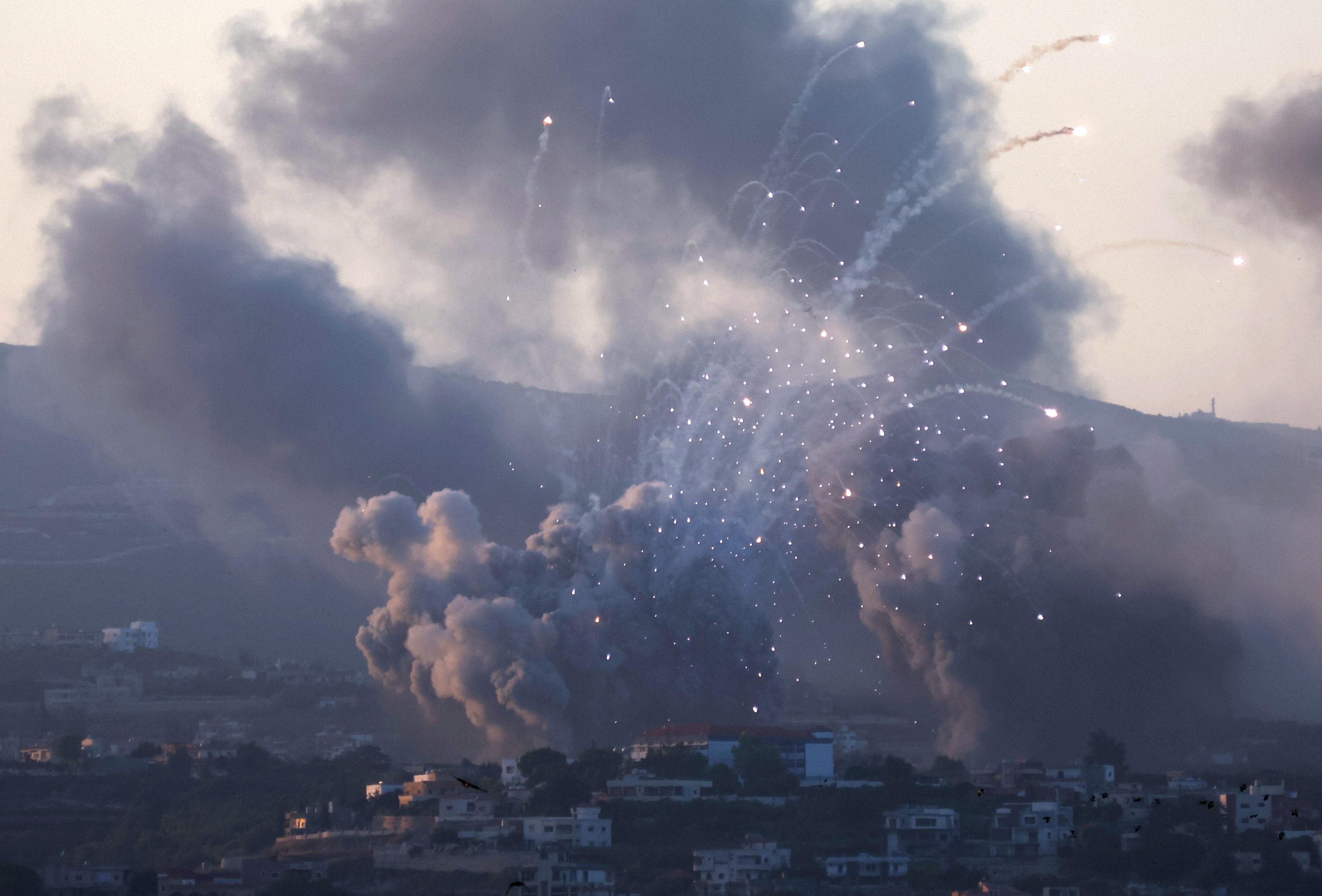
Military activity in the region has intensified, with reports from Lebanese officials citing at least five deaths resulting from recent Israeli strikes in the southern part of the country. These actions follow a period of heightened friction between the Israeli Defense Forces (IDF) and Hezbollah, with both sides engaging in frequent exchanges of fire. According to Reuters, security sources have confirmed the casualty figures in southern localities, marking a significant uptick in the intensity of the conflict.
The city of Tyre, often considered a refuge for those fleeing border violence, has also been subject to scrutiny as the military pressure continues to mount. Analysts suggest that the ongoing bombardment is part of a broader tactical effort by Israel to secure its northern border against what it describes as persistent threats from non-state actors. However, these operations have drawn sharp criticism from international bodies concerned with the protection of civilians in conflict zones, as reported by the United Nations regarding the necessity of upholding international humanitarian law during active hostilities.
Diplomatic Challenges and Regional Implications
Diplomatic efforts to reach a ceasefire or a long-term resolution have faced significant obstacles. The rejection of proposed agreements by Hezbollah has left little room for immediate de-escalation, leading to a stalemate that continues to claim lives on both sides of the border. Discussions regarding the influence of external actors, particularly Iran, remain a central theme in these negotiations. Lebanese leadership has publicly addressed the need to maintain national sovereignty, emphasizing the importance of avoiding foreign interference in the country’s internal security matters.
The complexity of the situation is further compounded by the internal political climate within the involved nations. In Israel, the government continues to face pressure to balance its security objectives with the geopolitical implications of a prolonged conflict. The U.S. Department of State regularly monitors these developments, providing periodic updates on regional human rights and security conditions, which serve as a reference point for international stakeholders attempting to navigate the crisis.
Impact on Civilian Populations
The human cost of the conflict is becoming increasingly apparent. Beyond the immediate casualties, the displacement of thousands of families from southern Lebanon has created a humanitarian burden that local municipalities are struggling to manage. Access to basic services, including medical care and electricity, has been disrupted in several districts, leading to calls for increased international aid. Organizations such as the International Committee of the Red Cross (ICRC) are working to provide assistance, though the security environment often limits their reach to the most affected areas.
For civilians caught in the crossfire, the psychological toll is substantial. The constant threat of airstrikes and the uncertainty regarding the duration of the conflict have left many in a state of perpetual anxiety. As the international community weighs its response, the priority remains the establishment of humanitarian corridors and the protection of non-combatants, a goal that remains elusive as long as the military exchanges continue without cessation.
Key Considerations for the Coming Days
- Ongoing Military Activity: Continued monitoring of the border region is expected as both sides maintain their current tactical postures.
- Diplomatic Stagnation: With no immediate breakthrough in negotiations, the focus remains on preventing a wider regional war.
- Humanitarian Needs: International aid agencies are preparing for a potential increase in the number of internally displaced persons.
- Official Updates: Readers are encouraged to monitor statements from the United Nations Interim Force in Lebanon (UNIFIL) for verified updates on the security situation on the ground.
As we move forward, the situation in the Middle East remains a focal point of global concern. We will continue to provide updates as verified information becomes available from official channels and international observers. We invite our readers to share their thoughts and engage in a respectful dialogue regarding these critical developments in the comments section below.
