Diplomatic Shifts: South Korea and Japan Revisit Logistics Cooperation
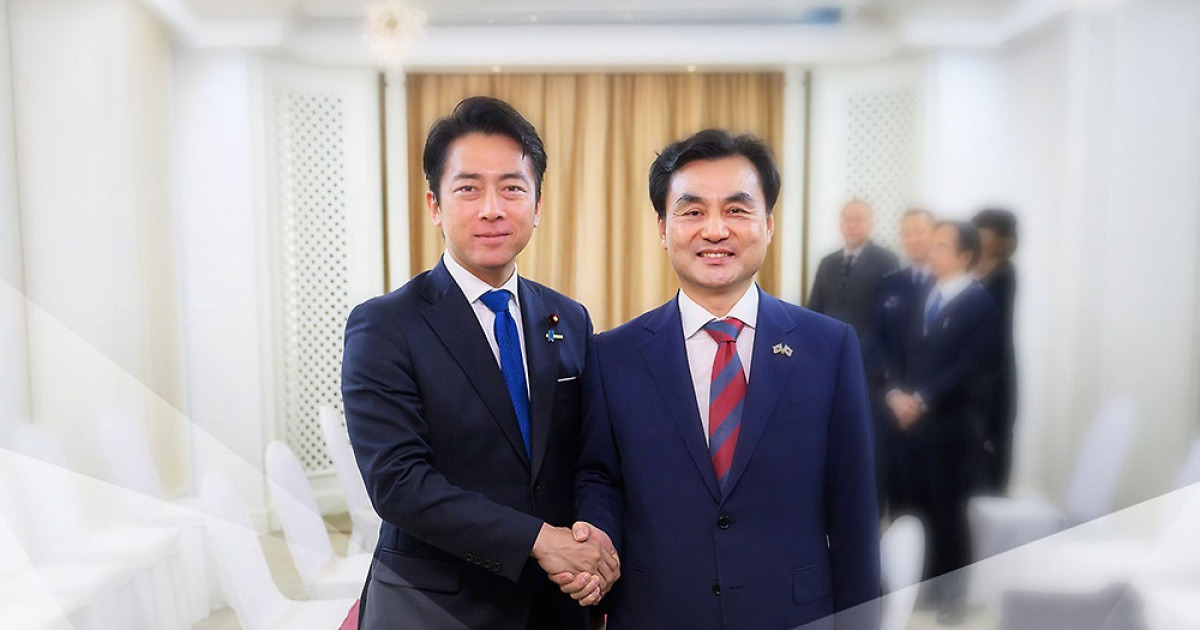
In a move that signals a potential warming of defense ties, South Korean Defense Minister Ahn Gyu-baek and Japanese Defense Minister Shinjiro Koizumi held high-level discussions during the 23rd Asian Security Conference in Singapore. The meeting, which took place on May 30, 2026, centered on regional security challenges and the prospect of reviving the Acquisition and Cross-Servicing Agreement (ACSA), a framework for the mutual exchange of military supplies between the two nations.

The Asian Security Conference, a critical venue for defense diplomacy in the Indo-Pacific, provided the backdrop for the ministers to address both long-standing cooperation hurdles and emerging security imperatives. Among the outcomes of the summit was an agreement to resume joint maritime search-and-rescue exercises, a cooperative effort that had been suspended since 2017 amid diplomatic frictions and disputes regarding naval protocols.
Understanding the ACSA Framework
The Acquisition and Cross-Servicing Agreement (ACSA) is a logistical arrangement designed to facilitate the exchange of non-lethal military resources. Under such an agreement, participating nations can provide each other with essential support, including food, water, fuel, transportation, and medical services, particularly during humanitarian operations or emergency situations. Crucially, the scope of these agreements is limited; they do not include the transfer of lethal weaponry such as missiles or fighter aircraft.
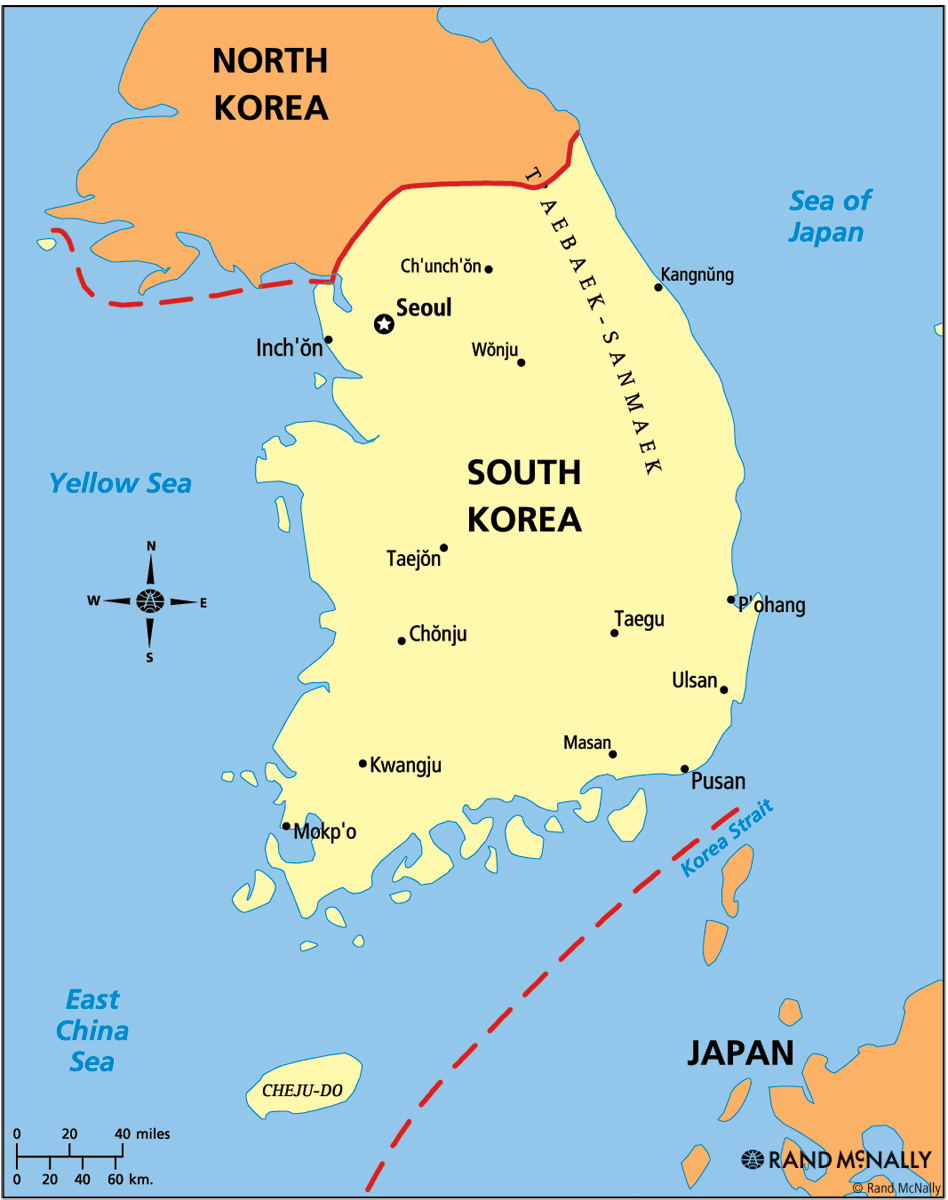
While the agreement is primarily logistical, the proposal to formalize it between Seoul and Tokyo remains a sensitive topic. Discussions surrounding the ACSA were previously initiated during the administration of President Lee Myung-bak but were ultimately halted. Minister Ahn Gyu-baek acknowledged the complexity of the issue following his meeting with Minister Koizumi, noting that while the topic was raised, any progress requires careful navigation of public sentiment and national security considerations.
Resuming Maritime Cooperation
One of the most concrete developments from the Singapore talks is the formal agreement to restart joint maritime search-and-rescue exercises. These drills, which involve training for coordinated responses to maritime distress, were a staple of bilateral defense cooperation from 1999 until their suspension nearly a decade ago.
The decision to resume these exercises—scheduled for June 7, 2026—marks a significant step in rebuilding operational trust. By focusing on humanitarian and safety-oriented maritime procedures, both governments appear to be prioritizing practical security cooperation that can be more readily supported by their respective publics. This de-escalation of maritime tensions is viewed by analysts as a foundational step for broader defense communication.
Navigating Public Sentiment and Regional Security
The path forward for enhanced defense cooperation remains tethered to the domestic political landscapes of both South Korea and Japan. Minister Ahn emphasized that the dialogue regarding logistical support is in its early stages and requires broader societal consensus within South Korea. This cautious approach reflects the historical complexities that have often constrained military-to-military ties between the two neighbors.
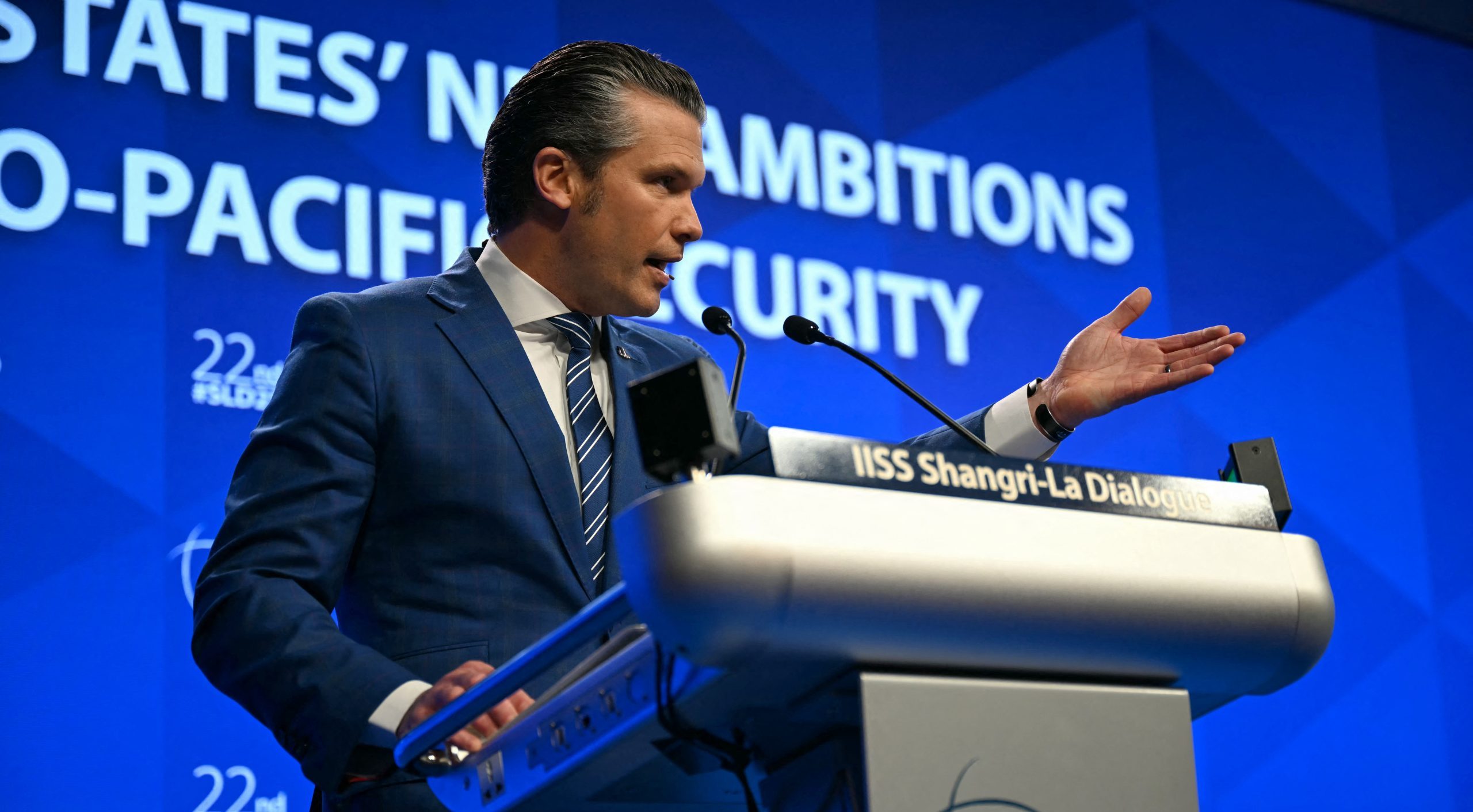
Despite the challenges, the regional security environment is driving both capitals toward closer coordination. The recent discussions underscore a shared recognition that, in an era of evolving threats, the ability to maintain efficient, interoperable logistical channels is increasingly vital. Minister Koizumi’s focus on the importance of these meetings reflects the current Japanese administration’s commitment to maintaining a robust dialogue with Seoul to address mutual security concerns.
Looking Ahead
As the two nations prepare for the upcoming maritime drills, diplomatic efforts continue to move toward stabilizing the bilateral relationship. Minister Ahn has reportedly extended an invitation for Minister Koizumi to visit South Korea next month, providing a potential opportunity to further discuss the scope of defense cooperation and the future of regional stability measures.
The international community will be watching these developments closely, as the trajectory of South Korea-Japan relations remains a cornerstone of peace and security in the Indo-Pacific region. Official updates regarding the progress of these initiatives are expected through the respective ministries of defense as the scheduled exercises approach.
We invite our readers to share their perspectives on the evolving security landscape in East Asia in the comments section below. For the latest official bulletins regarding the scheduled maritime exercises and bilateral diplomatic meetings, please consult the official portals of the Ministry of National Defense of the Republic of Korea.
Related reading