
The landscape of women’s health is currently undergoing a significant transition, with increased focus on addressing the long-neglected gaps in menopause care. As clinicians and researchers look to improve outcomes for the millions of individuals navigating this life stage, new initiatives are emerging to bridge the divide between patient experience and clinical evidence. A recent development in this sector involves the launch of a dedicated research initiative by Winona, a telehealth provider focused on hormone replacement therapy (HRT) and menopause management, aimed at expanding the body of knowledge surrounding women’s health.
For those navigating the complexities of perimenopause and menopause, the move toward data-driven research is a welcome development. As a physician, I have long observed that while menopause is a universal experience, the clinical support available to women has often been fragmented. By formalizing a research initiative, the company seeks to foster a more robust understanding of hormone therapy’s long-term impacts, symptom management, and the biological shifts that occur as women age. This initiative represents a broader trend in digital health, where companies are increasingly leveraging their patient-facing platforms to contribute to the scientific discourse.
Addressing the Research Gap in Women’s Health
Historically, menopause research has suffered from chronic underfunding and a lack of clinical focus, a reality that has left many patients with limited, standardized options for managing symptoms such as vasomotor disturbances, sleep disruption, and cognitive changes often referred to as “brain fog.” The decision to launch a research initiative suggests a commitment to moving beyond anecdotal evidence toward more rigorous, evidence-based outcomes. Here’s particularly relevant given the ongoing global discussion regarding the safety and efficacy of bioidentical hormone replacement therapy (BHRT) and other compounded treatments.

The initiative is expected to prioritize data collection that reflects real-world patient experiences. In the medical community, the shift toward “real-world evidence” (RWE) is gaining traction, as it allows practitioners to see how treatments perform outside of the rigid, often narrow parameters of traditional clinical trials. By aggregating longitudinal data from patients, such initiatives can potentially identify patterns in treatment efficacy that might otherwise go unnoticed in traditional academic settings. For more information on current clinical guidelines, readers can consult the North American Menopause Society (NAMS) 2022 Hormone Therapy Position Statement, which provides the gold standard for clinical decision-making.
What Which means for Patients and Providers
For the average patient, the primary benefit of such research initiatives is the promise of more personalized care. Hormone replacement therapy is not a “one-size-fits-all” intervention. it requires precise titration based on individual metabolic needs, symptom severity, and medical history. As we look toward the future of menopause care, the integration of telehealth with academic-level research could fundamentally change how we approach hormone replacement therapy. By utilizing digital health infrastructure, researchers can reach a more diverse patient population, potentially uncovering insights that address health disparities across different demographics.

the focus on women’s health research is gaining momentum at the policy level. In the United States, the White House has recently underscored the importance of federal investment in this area through the Executive Order on Advancing Women’s Health Research and Innovation. This policy movement, aimed at closing the funding gaps that have historically plagued women’s health, provides a backdrop of legitimacy to private-sector research initiatives. When private entities align their internal research goals with these broader public health objectives, the potential for meaningful innovation increases substantially.
Navigating the Future of Menopause Management
As we move forward, the challenge for companies in this space will be maintaining transparency and scientific rigor. While the launch of this initiative is a positive step, the medical community will be watching to see how the data is utilized and whether it leads to peer-reviewed findings that can inform clinical practice. Transparency in methodology is essential, especially when dealing with compounded medications which, unlike FDA-approved mass-manufactured drugs, do not undergo the same rigorous pre-market clinical trial process. Readers interested in the regulatory distinctions between various types of hormone therapies can find detailed resources through the U.S. Food and Drug Administration (FDA) guidance on menopause and hormones.
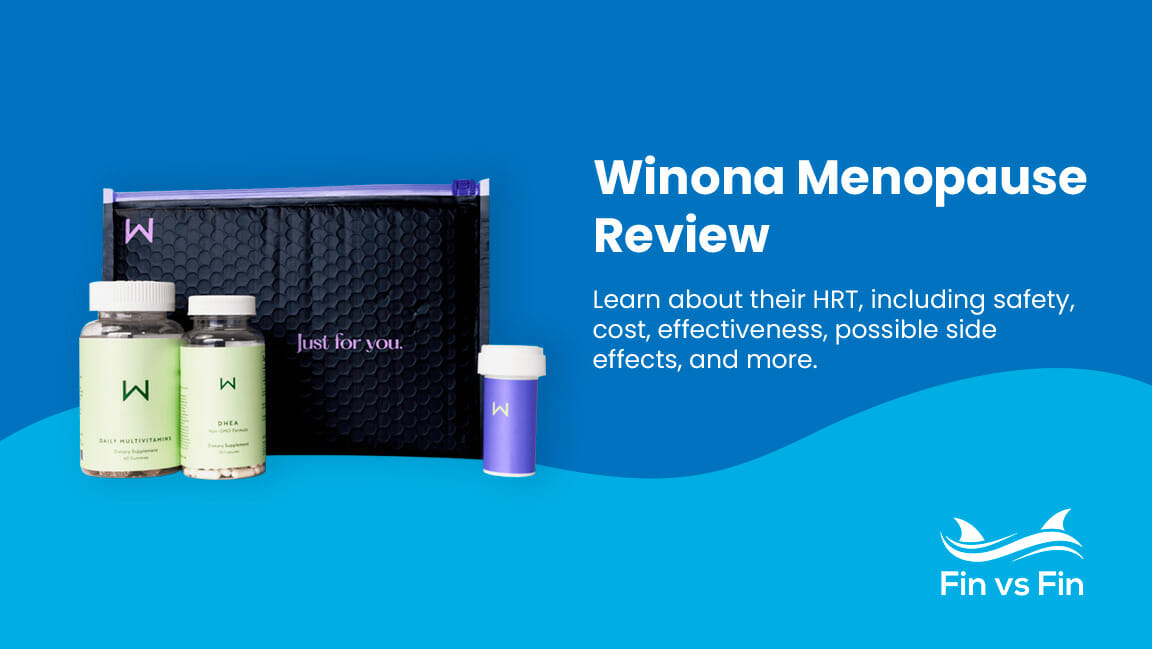
the goal is to provide women with safe, effective, and accessible options. Whether through the refinement of delivery methods—such as patches, gels, or oral medications—or through a better understanding of how hormones interact with other health markers as we age, research is the key to improving quality of life. As an Editor in the health space, I remain optimistic that initiatives like this, if executed with high standards of scientific integrity, will help elevate the standard of care for millions of women globally.
Key Considerations for Patients
- Consult Your Physician: Always discuss new treatment options with your primary care provider or a menopause specialist to ensure they are appropriate for your specific health profile.
- Review the Evidence: When evaluating new health claims, look for information that is supported by peer-reviewed studies or consensus statements from major medical organizations.
- Stay Informed: Keep track of updates from reputable health authorities, such as the World Health Organization (WHO), regarding menopause health and global guidelines.
We will continue to monitor the progress of this initiative as more details regarding their research methodology and key investigators are released. For those interested in the latest developments in women’s health policy and clinical research, I encourage you to share your thoughts in the comments section below or join the conversation on our social media platforms. Your engagement helps us continue to provide the accurate, evidence-based reporting that you rely on.
- AI-Powered Diagnostic Devices for Stroke, Parkinson’s, and Cancer Enter Clinical Practice
- Researchers Warn Against Blood Glucose Monitors for Healthy People
- Walnuts vs. Almonds: Which Is Better for Heart Health? (newsdirectory3.com)
- Tokushima Legal Professionals Collaborate on Law in Practice Initiative (archyde.com)