
As the Vatican prepares for a significant gathering of the College of Cardinals at the end of June 2026, the global Catholic community is turning its attention to Rome. This upcoming consistory serves as a pivotal forum for the Church’s leadership to address the complexities of an increasingly volatile international landscape, the ongoing synodal process, and the ethical implications of emerging technologies.
The gathering, which comes as Pope Leo XIV maintains a rigorous schedule—including his departure for an Apostolic Journey to Spain on June 6, 2026—highlights the intersection of traditional ecclesiastical governance and modern geopolitical challenges. For observers of the Holy See, this meeting represents more than a routine administrative session; It’s an opportunity for the Church to articulate its position on the “civilization of love” in an era defined by rapid digital transformation and persistent global conflict.
Addressing Global Challenges and the Synodal Path
The agenda for the late June consistory is expected to be broad, reflecting the diverse concerns of the universal Church. Among the central themes identified for discussion are the ongoing synodal process, the impact of global warfare, and the rapid, often disruptive, development of artificial intelligence. These topics underscore the Church’s intention to remain engaged with the lived realities of people across the globe.
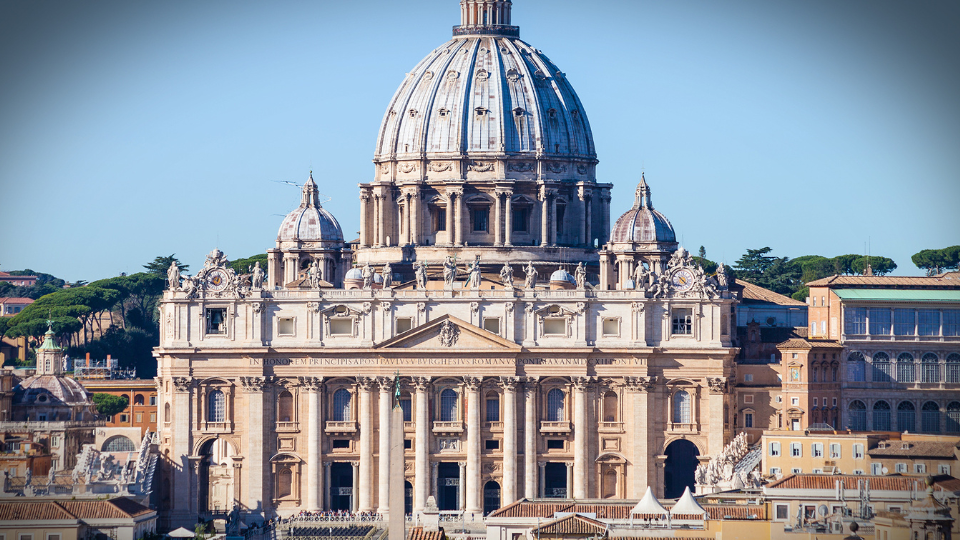
The synodal process, which has been a hallmark of the current pontificate, seeks to foster a more participatory and inclusive Church. By bringing cardinals together to debate these matters, the Holy See continues its focus on internal reform and external outreach. This dialogue is particularly vital as the Church navigates the tensions between long-standing traditions and the demands of a modern, interconnected world.
The focus on artificial intelligence, in particular, marks a significant shift in the Vatican’s diplomatic and social concern. As technology reshapes labor markets, privacy, and human interaction, the Church’s leadership is increasingly tasked with providing a moral framework for these advancements. The upcoming discussions in Rome will likely influence how the Holy See approaches international policy debates regarding digital ethics and the protection of human dignity in the age of algorithms.
The Concept of Magnifica Humanitas
Central to the discussions is the concept of Magnifica Humanitas. While the term reflects the Church’s pursuit of a more compassionate and human-centered society, it also serves as a thematic lens through which the cardinals will view the “culture of power.” By examining how power is exercised within institutions and in the broader global arena, the leadership aims to promote a message of solidarity and care for the vulnerable.
This thematic focus aligns with the broader mission of the Holy See, which operates as an independent sovereign entity, as detailed in its official status and history. The Vatican’s role in international diplomacy remains influential, particularly when it addresses the root causes of global inequality and the necessity of peace in conflict-stricken regions.
Strategic Priorities for the College of Cardinals
The College of Cardinals plays a crucial role in advising the Pope, and this consistory offers a structured environment to synthesize various regional perspectives. With the global population and geopolitical climate shifting, the need for a cohesive, well-informed response from the Church’s leadership has never been greater. The participants will be tasked with balancing the internal needs of the Church—such as administrative updates and the finalization of synodal goals—with their responsibility to provide ethical guidance to a global audience.
For those interested in the official records of these proceedings, the Vatican News portal remains the primary source for updates regarding the Pope’s schedule and official communications from the Holy See. These updates provide the most accurate account of the Church’s activities, ensuring that the faithful and the public alike stay informed about the decisions that will shape the coming months.
Looking Ahead: The Path Forward
The consistory in late June serves as a critical checkpoint for the Church’s strategic direction for the remainder of 2026. As the cardinals gather to deliberate, their focus will remain on how to best translate the principles of faith into actionable policies that address the specific needs of a 21st-century society.
The next major developments will likely follow the conclusion of the consistory, with official reports expected through the Holy See’s communication channels. We will continue to monitor these developments closely as they unfold in Rome. For those following these events, we encourage you to check the official Holy See website for the latest documentation and addresses from the Supreme Pontiff.
We invite our readers to join the conversation in the comments section below. How do you view the role of religious leadership in addressing modern ethical challenges like artificial intelligence? Share your thoughts as we continue to track this developing story.