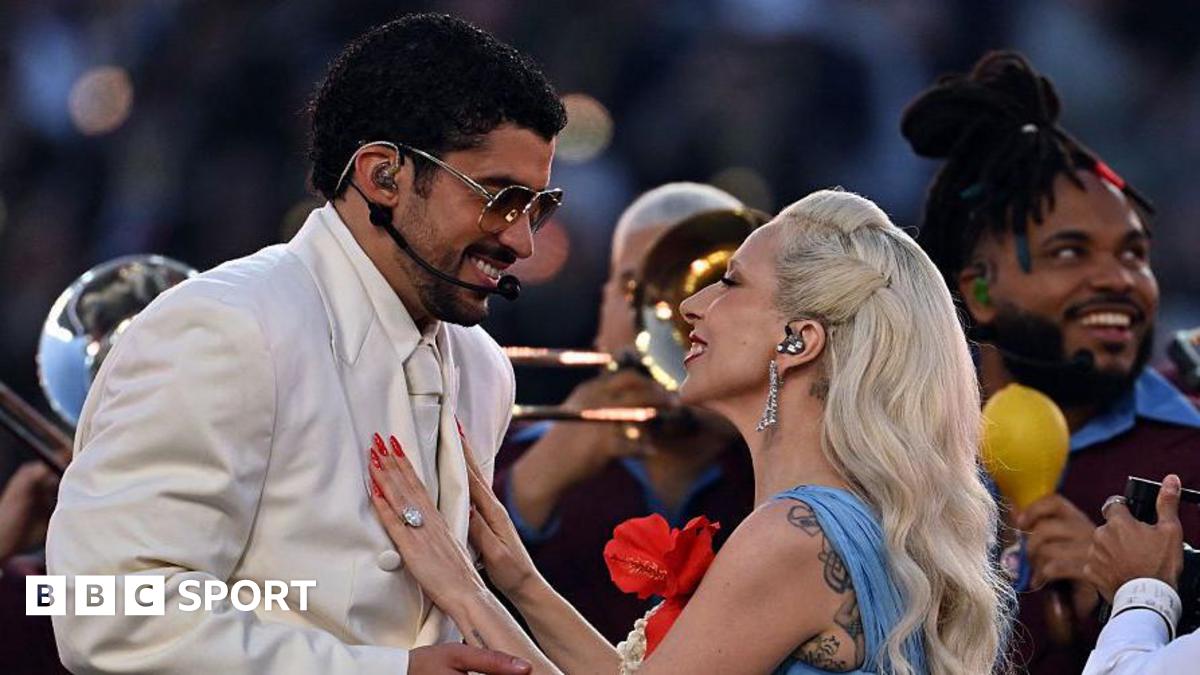
The Super Bowl halftime show has evolved from a modest collegiate marching band display into a global cultural phenomenon, effectively becoming a centerpiece of the American entertainment calendar. As the National Football League (NFL) continues to expand its footprint, the spectacle surrounding the championship game has transcended domestic borders, reflecting a broader strategy to engage international audiences. With the 2026 season approaching, the league’s focus on delivering a localized international fan experience has sparked discussions on how the halftime show—a staple of the American broadcast—might adapt to a truly global stage.
For decades, the halftime show has served as a bridge between sports and pop culture. What began in the 1960s with university bands and drill teams shifted dramatically in the 1990s, when the NFL recognized that high-profile musical performances could capture viewers who might otherwise tune out during the mid-game break. By aligning the halftime show with top-tier musical talent, the league transformed a 15-minute intermission into one of the most-watched events in television history. Today, the challenge lies in scaling this model to resonate with diverse cultures across Europe, South America, and beyond, where the rhythm of the game and the nature of live entertainment differ significantly from the U.S. Model.
The Evolution of a Cultural Icon
The progression of the halftime show mirrors the commercial and cultural growth of the NFL itself. In the early years of the Super Bowl, the performance was often functional, designed to keep fans entertained while the teams retreated to their locker rooms. However, the 1993 performance by Michael Jackson at Super Bowl XXVII is widely cited by industry analysts as the turning point that cemented the show’s status as a standalone spectacle. By prioritizing star power and elaborate production design, the NFL ensured that the halftime show became a conversation starter, often generating as much social media buzz as the game itself.

As the league looks toward the 2026 season, the international strategy has become more defined. The NFL has been actively hosting regular-season games in cities such as London, Munich, and São Paulo, demonstrating a commitment to building a physical presence in key global markets. This international expansion is supported by a robust media rights strategy, ensuring that fans in different time zones have access to live broadcasts, including the marquee Super Bowl event. The integration of halftime entertainment into these international markets is not merely about replicating the U.S. Experience; it is about creating a localized atmosphere that honors the host nation’s cultural identity while maintaining the high production values associated with the NFL brand.
Strategic Expansion and Global Reach
The NFL’s approach to international growth is multifaceted, involving a mix of digital engagement, localized marketing, and strategic partnerships. According to official league updates, the NFL’s international series has seen consistent growth in attendance and viewership, proving that there is a significant appetite for American football outside the United States. For organizers, the question is how to translate the halftime show’s energy into these new territories. In many international markets, the concept of a halftime show is either non-existent or radically different from the American version, which often features elaborate stage sets and pyrotechnics that require significant logistical coordination.
To succeed, the league must balance its established brand identity with the need for accessibility. This involves leveraging global digital platforms to provide fans with behind-the-scenes access and interactive experiences that extend beyond the traditional broadcast. By utilizing a mix of local musical talent and global superstars, the NFL aims to foster a sense of community among international fans, ensuring that the Super Bowl feels like a shared global experience rather than a remote U.S. Event.
Key Factors in the Global Halftime Strategy
- Cultural Integration: Incorporating local artists to create a performance that feels relevant to the host audience.
- Logistical Scalability: Adapting the complex stage designs of the Super Bowl to fit stadiums with varying infrastructure in international cities.
- Digital Accessibility: Providing global fans with high-quality streaming options and interactive content via platforms like NFL+ and international broadcast partners.
- Consistency of Brand: Maintaining the “Super Bowl” level of production quality, regardless of the geographic location of the performance.
What Happens Next: Looking Toward 2026
The 2026 season represents a critical juncture for the NFL as it continues to execute its international mandate. With the official league schedule expected to be released in the coming months, fans worldwide are waiting to see which international venues will host key matchups and how the league will evolve its entertainment offerings. The NFL has confirmed that its commitment to the international series is a long-term strategic priority, with plans to increase the number of games played abroad throughout the next decade.

As we monitor these developments from our newsroom in Lisbon, the NFL is not just exporting a game; it is exporting an entertainment ecosystem. Whether through the halftime show or the surrounding fan festivals, the league is working to ensure that its global footprint is as impactful as its domestic presence. We will continue to provide updates as the league announces its official plans for the 2026 international schedule and any associated entertainment initiatives.
What are your thoughts on the international expansion of the NFL? Should the halftime show feature more local talent, or should it remain a quintessentially American production? Share your perspective in the comments below, and stay tuned for our upcoming analysis of the 2026 season kickoff.
Worth a look