
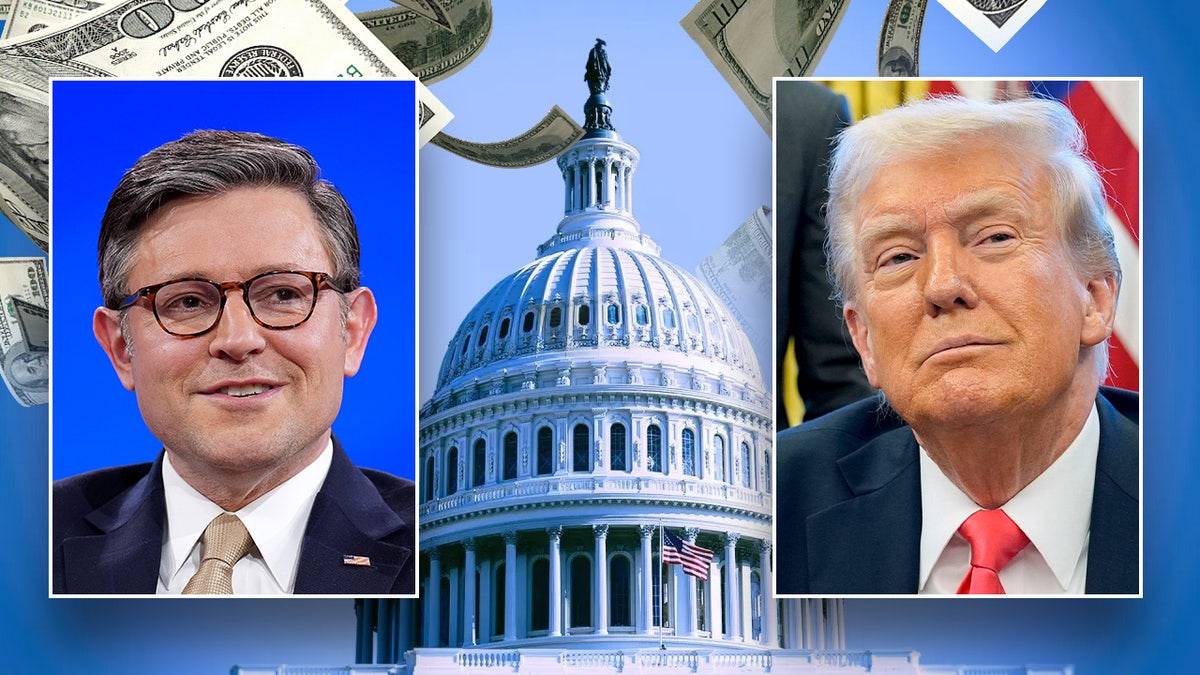
As the American political landscape shifts toward the next electoral cycle, a notable trend has emerged within the halls of Congress: a growing number of Republican lawmakers are demonstrating a willingness to diverge from the agenda set by former President Donald Trump. For political analysts and constituents alike, the central question remains whether this shift in behavior is driven by long-standing matters of conscience or the pragmatic, often survivalist, calculations of electoral politics.
The Republican Party, currently navigating a complex internal dynamic, faces these questions as members balance loyalty to the party’s populist base with the diverse needs of their individual districts. While the party maintains a significant presence in both chambers of the U.S. Congress, with 217 seats in the House of Representatives and 53 seats in the Senate, the internal cohesion of the caucus is being tested by shifting priorities and individual legislative agendas, as noted by the official records of House Republican activities.
The Dynamics of Legislative Independence
The tension between party unity and individual legislative preference is not a new phenomenon, but the current iteration appears increasingly focused on the influence of Donald Trump’s platform. Lawmakers who represent more moderate or swing-leaning districts often find themselves in a precarious position. By distancing themselves from specific aspects of the former president’s agenda, these representatives may be attempting to appeal to a broader cross-section of voters who are not aligned with the party’s most populist factions.

However, characterizing these moves as purely ideological can be reductive. In many instances, the decision to break with party leadership or the former president is tied directly to the legislative needs of a lawmaker’s home state. For example, the focus on specific policy areas, such as the recent advancement of H.R. 7726, the Stop Child Care Scams Act of 2026, demonstrates how individual members prioritize specific constituent-focused legislation over broader national party messaging, according to House Republican legislative updates.
Conscience vs. Electoral Strategy
Distinguishing between personal conviction and political expediency is a perennial challenge in political reporting. When a lawmaker votes against the grain of their party leadership, supporters often frame the action as an act of moral courage. Conversely, critics—and often political opponents—frequently dismiss the same actions as calculated maneuvers designed to bolster re-election prospects in districts where the party’s national brand may be a liability.
The reality is often a blend of both. A lawmaker’s voting record is shaped by a complex matrix of donor interests, district demographics, and personal political philosophy. As the party structure continues to evolve—building on a history that spans from its 1854 origins to its current status as a major political force—the definition of what it means to be a “Republican” remains a subject of ongoing internal debate, as outlined by historical and political analysis provided by Britannica.
Looking Ahead: The Legislative Calendar
The implications of this internal friction are significant for the remainder of the 2026 session. As Congress moves through its scheduled legislative calendar, observers will be watching to see if these instances of defiance remain isolated or if they signal a broader realignment within the Republican caucus. The ability of leadership to maintain unity on high-stakes votes will likely serve as a primary indicator of the party’s internal health and its unified direction heading into the midterms.
For citizens tracking these developments, staying informed through official congressional records and verified legislative trackers is essential. The next major test for the party’s unity will occur during upcoming committee hearings and floor votes, where the divergence between individual members and the former president’s stated goals will be laid bare in public voting records.
We invite our readers to join the conversation. Do you believe this shift in Republican voting behavior represents a meaningful change in the party’s ideological direction, or is it merely a temporary reaction to electoral pressures? Share your thoughts in the comments section below, and stay tuned to World Today Journal for continued, fact-checked reporting on these and other critical political developments.
Keep reading