In the current era of rapid technological acceleration, the hardware landscape is a study in contradictions. While the explosive growth of generative artificial intelligence has sent shockwaves through the semiconductor industry—driving massive demand for high-end GPUs and enterprise-grade processors—the consumer market is experiencing a different set of pressures. For the PC enthusiast or the professional looking to refresh a workstation, the goal is no longer just about finding the fastest components; it is about finding the most strategic value in a market where certain prices are climbing while others remain stable.
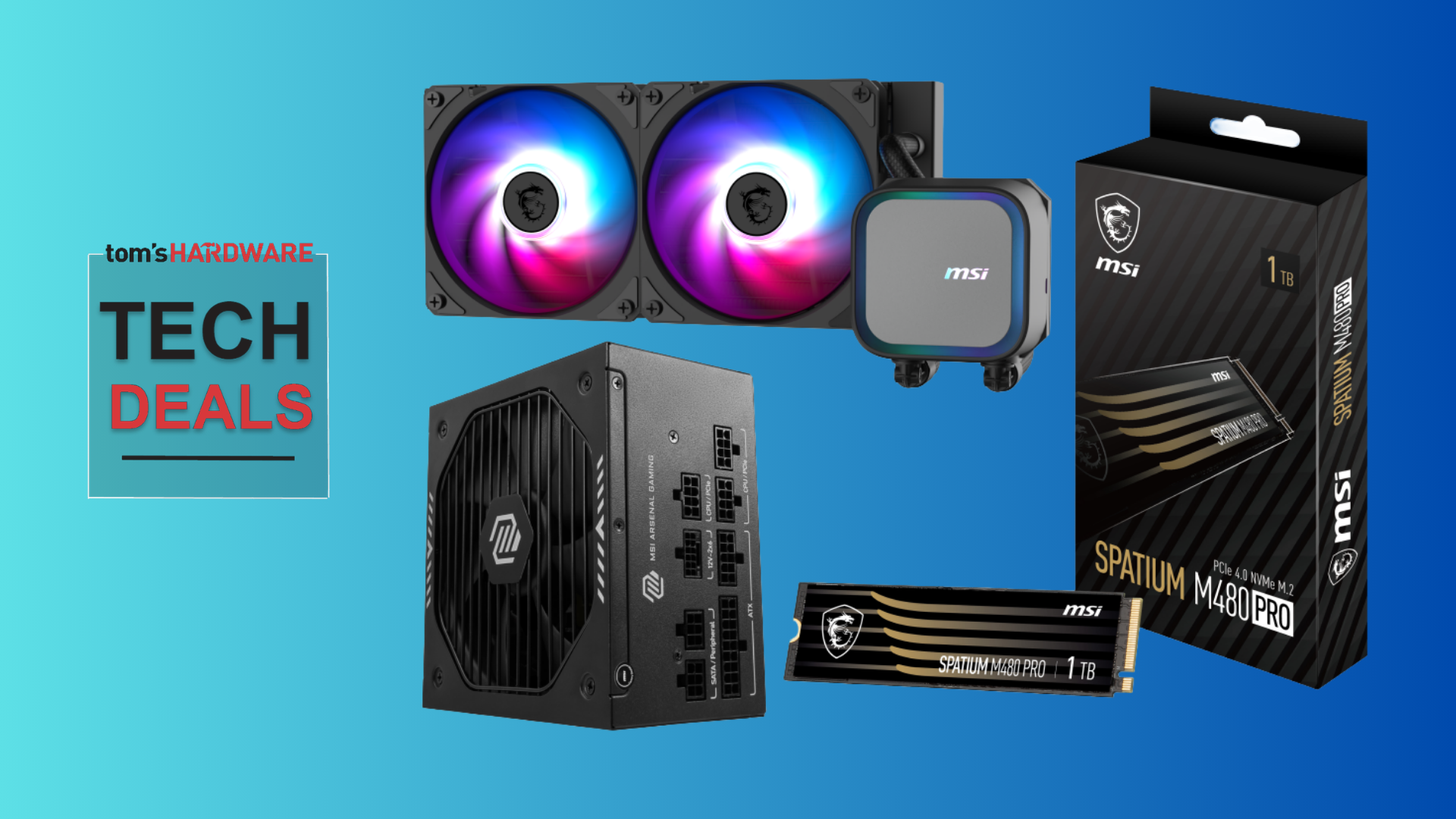
One of the most effective ways to maximize a hardware budget right now is to focus on the “supporting cast” of a PC build. While the industry remains fixated on the next generation of graphics cards, a specific combination of components—a 2TB PCIe 4.0 SSD, a 750W power supply (PSU), and a 240mm All-in-One (AIO) liquid cooler—has emerged as a high-value target for savvy builders. When sourced correctly through strategic deals, this trio can be acquired for approximately $300, representing a significant saving of nearly $200 compared to standard retail pricing for equivalent mid-to-high-tier hardware.
This “value trio” addresses the three pillars of system stability and performance: high-speed data throughput, reliable power delivery, and efficient thermal management. By securing these components at a lower price point, users can redirect their capital toward the more volatile and expensive components, such as high-capacity memory or next-generation GPUs, without compromising the underlying integrity of their systems.
The Storage Squeeze: Why 2TB PCIe 4.0 SSDs are Becoming Premium
The most immediate challenge facing PC builders today is the shifting economics of flash memory. While power supplies and CPU coolers have largely remained insulated from the direct volatility caused by the AI boom, storage costs have seen a notable upward trend. This is primarily due to the massive demand for high-capacity NAND flash memory in data centers, where enterprise-grade SSDs are being deployed at scale to support the massive datasets required for training large language models (LLMs).
As manufacturers like Samsung, SK Hynix, and Micron prioritize high-margin enterprise orders, the availability and pricing of consumer-grade NAND have become more sensitive to market shifts. Finding a high-performance 2TB drive at a budget-friendly price has become a priority for enthusiasts. A 2TB capacity is increasingly viewed as the “sweet spot” for modern computing, providing enough headroom for large game libraries, high-resolution video assets, and complex software environments without the extreme price premium associated with 4TB or 8TB drives.
Opting for a PCIe 4.0 interface rather than the older PCIe 3.0 standard is no longer just a luxury; it is becoming a necessity for modern workflows. PCIe 4.0 offers significantly higher bandwidth, with sequential read speeds often reaching upwards of 7,000 MB/s. This increased throughput is critical for technologies like Microsoft’s DirectStorage, which allows the GPU to pull data directly from the SSD, drastically reducing load times in modern gaming and accelerating data-heavy tasks in creative suites. When you can secure a 2TB PCIe 4.0 NVMe drive as part of a $300 bundle, you are effectively future-proofing your system’s data bottleneck at a fraction of the usual cost.
Powering Performance: The Case for a 750W Power Supply
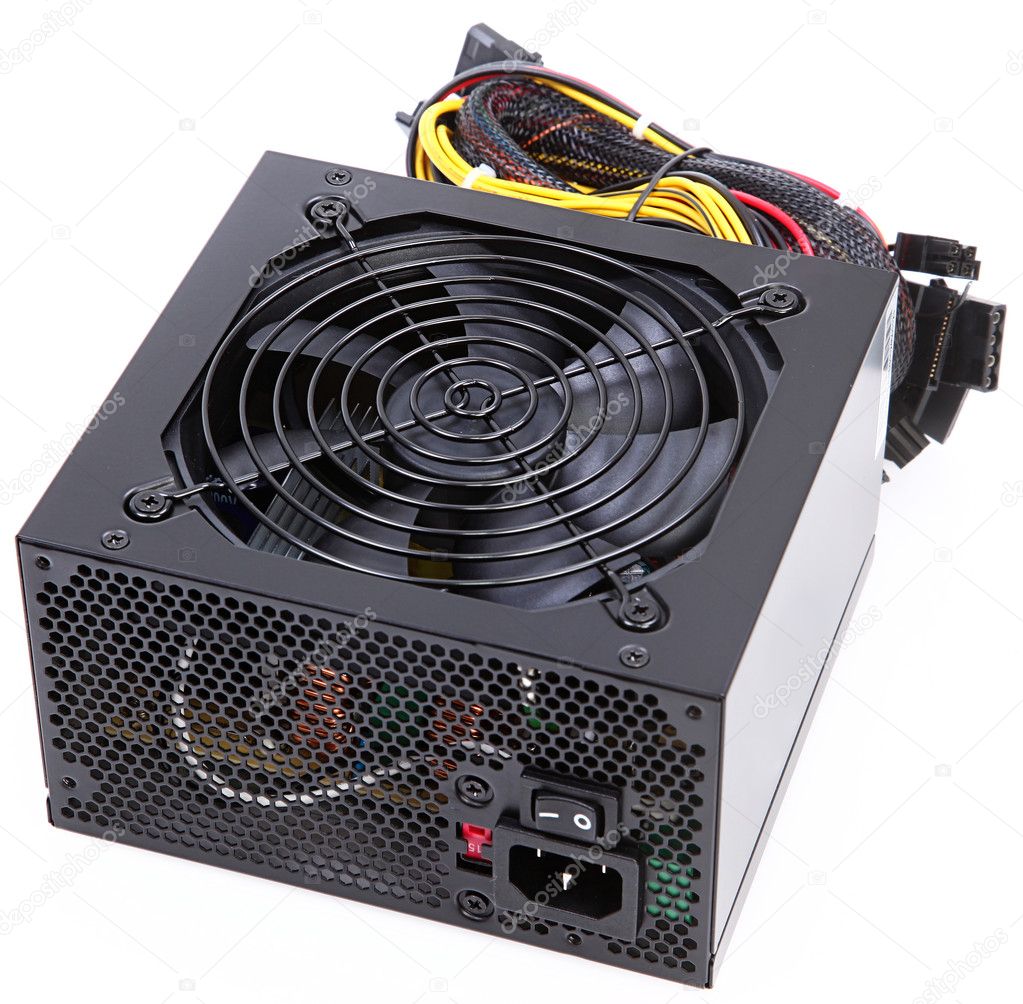
If the SSD is the system’s memory, the power supply is its heartbeat. In recent years, the power requirements of mid-to-high-end components have trended upward. While a 500W or 600W unit might suffice for a basic office build, the 750W threshold has become the gold standard for modern gaming and productivity rigs. This capacity provides the necessary headroom to handle the “transient power spikes”—brief, intense bursts of energy demand—that modern high-performance GPUs are known to exhibit.
A “genuinely solid” 750W PSU does more than just provide wattage; it ensures voltage stability, and efficiency. For builders, looking for units with an 80 Plus Gold certification is a prudent move, as these units offer better energy conversion efficiency, reducing wasted heat and lowering electricity costs over the long term. By including a 750W PSU in a hardware bundle, builders can ensure that their system remains stable even when the CPU and GPU are under heavy, simultaneous loads.
the stability provided by a high-quality PSU protects more sensitive components, such as the motherboard and the newly acquired PCIe 4.0 SSD, from fluctuations in the power rail. In a market where component prices are rising, the cost of a PSU failure can be devastating. Securing a reliable 750W unit within a budget-conscious bundle is one of the most effective ways to mitigate long-term hardware risk.
Thermal Management: The 240mm AIO Advantage
As CPU architectures continue to push the limits of clock speeds and core counts, thermal management has become a primary concern for maintaining peak performance. Modern processors are designed to boost their frequencies as long as thermal headroom allows; however, if a cooling solution cannot dissipate heat effectively, the CPU will engage in “thermal throttling,” intentionally slowing itself down to prevent damage.
While high-end air coolers remain a viable option for many, a 240mm All-in-One (AIO) liquid cooler offers distinct advantages in terms of thermal mass and consistent heat dissipation. A 240mm radiator, featuring two 120mm fans, provides a significant surface area for heat exchange, making it particularly effective at managing the heat loads of mid-to-high-range CPUs. Unlike air coolers, which rely on a large heatsink directly in contact with the CPU, AIOs use liquid to transport heat away from the processor to a remote radiator, often allowing for a cleaner aesthetic and better airflow within the chassis.
A “decent” 240mm AIO included in a hardware deal allows users to move away from the limitations of stock coolers or entry-level air solutions. This upgrade is particularly beneficial for users engaged in multi-threaded workloads—such as rendering, compiling code, or streaming—where the CPU is expected to run at high utilization for extended periods. By stabilizing temperatures, the AIO ensures that the processor can maintain its boost clocks, providing a smoother and more consistent user experience.
Breaking Down the $300 Value Proposition
To understand why this specific combination of hardware is so lucrative, one must look at the individual market values of these components. While prices fluctuate based on retailer promotions and supply chain shifts, a conservative estimate of the retail cost for these items reveals the magnitude of the savings.

| Component | Estimated Individual Retail Price | Role in System |
|---|---|---|
| 2TB PCIe 4.0 SSD | $120 – $150 | High-speed data storage & throughput |
| 750W 80+ Gold PSU | $90 – $120 | Stable, efficient power delivery |
| 240mm AIO Liquid Cooler | $80 – $110 | Advanced thermal management |
| Total Estimated Value | $290 – $380 | Target Bundle Price: ~$300 |
When these items are bundled or purchased during synchronized sales events, the total cost can drop toward the $300 mark. This effectively results in a $200 saving compared to purchasing these components individually at standard MSRP. For a mid-range PC build with a total budget of $1,000 to $1,500, a $200 saving represents a massive percentage of the total build cost—funds that can be better utilized on a higher-tier GPU or a faster CPU.
The Strategy: How to Spot These Deals
Finding these savings requires a proactive approach to hardware shopping. Rather than looking for a single “all-in-one” box, savvy builders should look for:
- Retailer Component Bundles: Many major online retailers offer discounts when you add multiple components (like a CPU, Motherboard, and SSD) to a single cart.
- Seasonal Sales Cycles: Major hardware price drops often coincide with industry events or quarterly retail promotions.
- Tiered Value Matching: Instead of chasing the most expensive “extreme” components, focus on “Goldilocks” components—those that offer 90% of the performance of enthusiast gear at 50% of the price.
Key Takeaways for PC Builders
- Prioritize Storage Capacity: A 2TB PCIe 4.0 SSD is the current standard for balancing high-speed performance with long-term storage needs.
- Don’t Skimp on Power: A 750W PSU provides the necessary stability for modern GPUs and protects your investment from power fluctuations.
- Manage Heat Proactively: A 240mm AIO is a highly effective way to prevent thermal throttling in modern, high-performance CPUs.
- Capitalize on the “Support” Savings: By securing these three components via bundles, you can save up to $200 to reinvest in your GPU or CPU.
As we move further into 2025, the volatility of the NAND flash market remains the primary variable to watch. The next major checkpoint for hardware enthusiasts will be the release of quarterly earnings reports from major semiconductor manufacturers, which will provide clearer indications of whether storage prices will stabilize or continue their upward trajectory.
What are your thoughts on the current state of PC component pricing? Have you found any effective bundling strategies lately? Let us know in the comments below and share this article with your fellow builders!
Worth a look