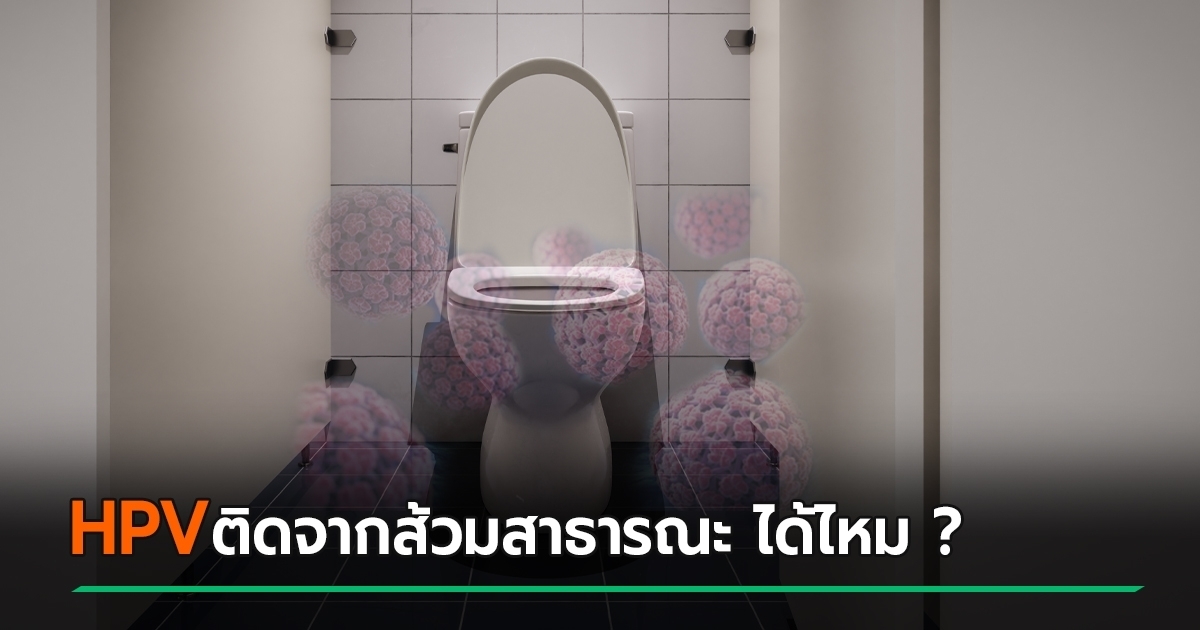
In the world of public health, separating medical fact from common misconceptions is essential for patient well-being and anxiety reduction. Recently, a public discussion regarding the Human Papillomavirus (HPV) and its potential transmission in public restrooms has gained significant traction. As a physician and health journalist, I often encounter questions about whether viruses are easily contracted in everyday environments. Understanding the biology of HPV is the first step toward clearing up these persistent concerns.
The Human Papillomavirus is a highly common group of more than 200 related viruses. While the vast majority of HPV infections are cleared by the immune system without causing long-term health issues, certain high-risk strains are linked to various cancers, most notably cervical cancer. Because of its prevalence and its association with serious illness, it is understandable that the public seeks clarity on how the virus spreads and, importantly, how it does not.
Understanding HPV Transmission: The Biological Reality
The primary mode of HPV transmission is through direct skin-to-skin or mucosal contact, most commonly during sexual activity. The virus requires specific conditions to survive and infect host cells, typically targeting the moist linings of the body. According to the Centers for Disease Control and Prevention (CDC), the virus is not transmitted through common daily activities, such as hugging, holding hands, or utilizing shared facilities like toilets or swimming pools.
While some research has identified the presence of viral DNA on surfaces within clinical or public settings, the detection of genetic material does not equate to the presence of an infectious, viable virus capable of causing disease in a human host. For an infection to occur, a significant viral load must come into direct contact with receptive tissue, such as the vaginal or anal mucosa. The environmental conditions found in public restrooms—such as surface types, cleaning agents, and the inability of the virus to persist outside of a living host—make transmission via a toilet seat scientifically improbable.
Addressing Common Myths About Public Restrooms
It is common for public discourse to link health conditions to everyday exposure, but when it comes to HPV, the clinical consensus remains firm. The anxiety surrounding the use of public facilities often stems from a misunderstanding of how viruses operate. Unlike some bacteria or other pathogens that may persist on surfaces for longer periods, HPV is highly adapted to human-to-human transmission via intimate contact.
Public health experts consistently emphasize that worrying about bathroom hygiene in the context of HPV is a distraction from the evidence-based methods we know to be effective. Relying on myths about environmental transmission can lead to unnecessary fear, while potentially causing individuals to overlook the strategies that actually prevent HPV-related complications, such as vaccination and regular screening.
Evidence-Based Prevention: What Actually Works
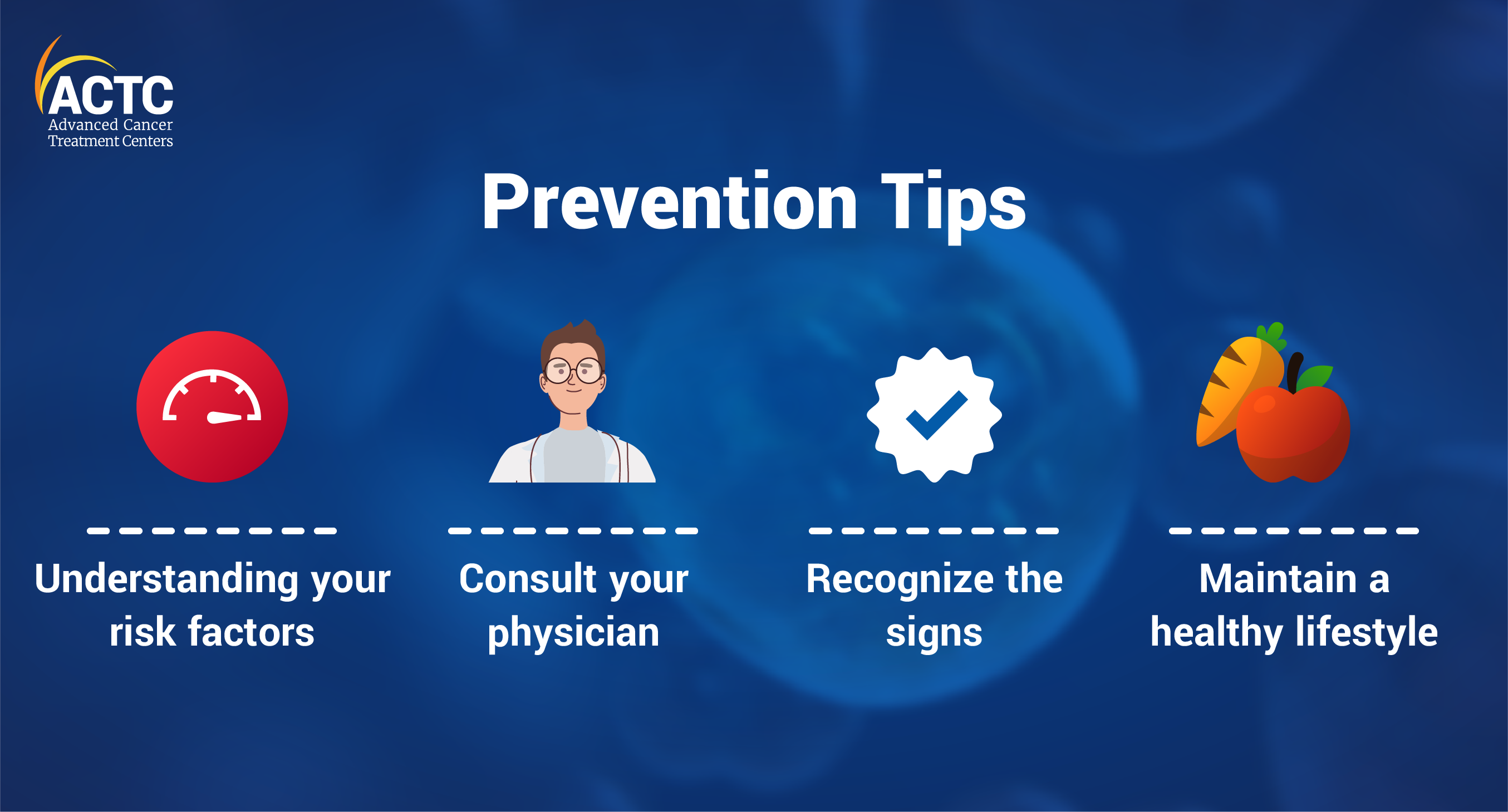
To effectively manage the risk of HPV and its associated health outcomes, public health policy focuses on three pillars of prevention. These are the strategies that have been clinically validated to reduce the incidence of HPV-related cancers:
- Vaccination: The HPV vaccine is highly effective at preventing infection from the most dangerous strains of the virus. Health organizations, including the World Health Organization (WHO), recommend vaccination for both girls and boys, ideally before the onset of sexual activity, to ensure maximum protection.
- Regular Screening: For those who have been sexually active, cervical cancer screening (such as a Pap test or HPV DNA test) is the gold standard for early detection. These tests allow clinicians to identify precancerous changes long before they develop into invasive cancer, at a stage where they are highly treatable.
- Informed Awareness: Understanding the true risks associated with the virus helps individuals make informed decisions about their health. Rather than focusing on environmental myths, patients are encouraged to discuss their vaccination history and screening schedule with their primary care physician or gynecologist.
The focus on environmental transmission often obscures the importance of these clinical interventions. By shifting our attention toward vaccination programs and consistent screening protocols, we can significantly reduce the burden of HPV-related disease globally.
Moving Forward: Clinical Guidance
If you are concerned about your HPV status or have questions regarding your eligibility for the vaccine, the best course of action is to consult a healthcare professional. Medical guidelines are updated periodically as new data emerges, and your doctor can provide advice tailored to your personal health history and current clinical standards.
Public health is built on the foundation of accurate information. When we prioritize verified medical data over anecdotal concerns, we create a more resilient and informed community. I encourage our readers to stay engaged with official updates from local health authorities and to utilize reputable medical resources for their health inquiries. If you have questions about your specific screening needs or wish to share your thoughts on the importance of vaccine education, please feel free to leave a comment below or join the conversation in our community forum.