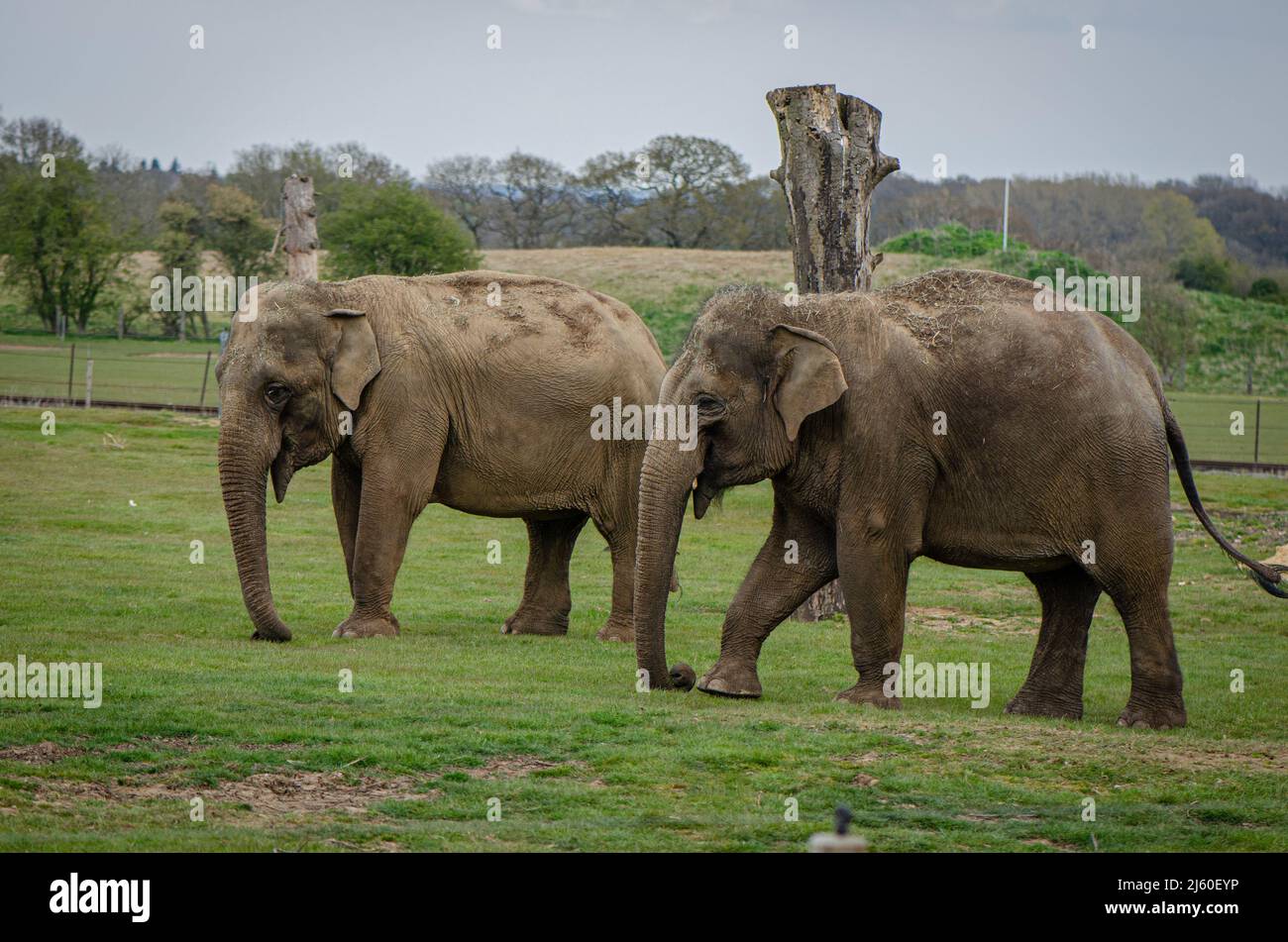
In the vibrant atmosphere of the Guadalajara Zoo, a unique tradition has captured the attention of sports enthusiasts and animal lovers alike: the practice of using zoo residents to “predict” the outcomes of major international soccer matches. Often featuring elephants navigating makeshift pitches, these displays have become a staple of local entertainment during global tournaments, blending wildlife education with the festive spirit of the sport.
While these animal predictions are a lighthearted cultural phenomenon, they highlight the long-standing role of the Guadalajara Zoo as a hub for public engagement in Mexico. Located in the state of Jalisco, the facility serves as both a center for conservation and a popular tourist destination. According to official data from the Government of Guadalajara, the zoo maintains extensive programs dedicated to animal welfare and habitat management, ensuring that the creatures involved in these seasonal activities remain under the expert care of specialized veterinarians and handlers.
The Intersection of Wildlife and Sports Culture
The use of animals to forecast match results—often referred to as “animal oracles”—has precedents in sporting history, most famously popularized by the late Paul the Octopus during the 2010 FIFA World Cup. At the Guadalajara Zoo, the choice of elephants to participate in these activities is rooted in their reputation for intelligence and social complexity. Trainers utilize positive reinforcement techniques to encourage the animals to interact with objects like soccer balls or flags, transforming a standard enrichment exercise into an interactive experience for visitors.
These exercises are designed primarily as environmental enrichment, a critical component of modern zoological management. By providing animals with novel stimuli, such as a ball on a field, keepers encourage natural behaviors and cognitive engagement. The Association of Zoos and Aquariums emphasizes that such enrichment is essential for maintaining the physical and mental health of animals in managed care, ensuring they remain active and stimulated throughout their lives.
Understanding Animal Behavior in Managed Environments
It is important for spectators to understand that these “predictions” are not rooted in any biological capacity for sports forecasting. Instead, they are a byproduct of conditioned behaviors and the animals’ natural curiosity. When an elephant moves toward a specific goalpost or flags representing a team, it is typically responding to subtle cues from handlers or the placement of food rewards, rather than an understanding of athletic competition.
The Guadalajara Zoo operates under strict guidelines regarding the exhibition and handling of wildlife. By integrating these playful moments into their daily routines, the zoo creates a bridge between the public and the animals, fostering a greater appreciation for wildlife conservation. Visitors interested in the specific welfare protocols of the zoo can consult the official website of the Guadalajara Zoo for information on their ongoing conservation efforts and educational initiatives.
Community Engagement and Future Events
The tradition of animal vaticinations serves as a focal point for community spirit during major soccer tournaments. These events encourage families to visit the zoo, thereby supporting the institution’s funding for veterinary services and habitat upgrades. As international soccer calendars continue to evolve, the zoo remains a key venue for residents of Jalisco to celebrate their passion for the sport in an unconventional way.

For those interested in the upcoming schedule of events at the facility, the Guadalajara Zoo regularly updates its programming through its official social media channels and municipal bulletins. As of June 2026, there are no specific upcoming match-prediction events confirmed, but the zoo continues to offer daily public tours and educational presentations. We encourage our readers to share their thoughts on these animal traditions in the comments section below.
Related reading