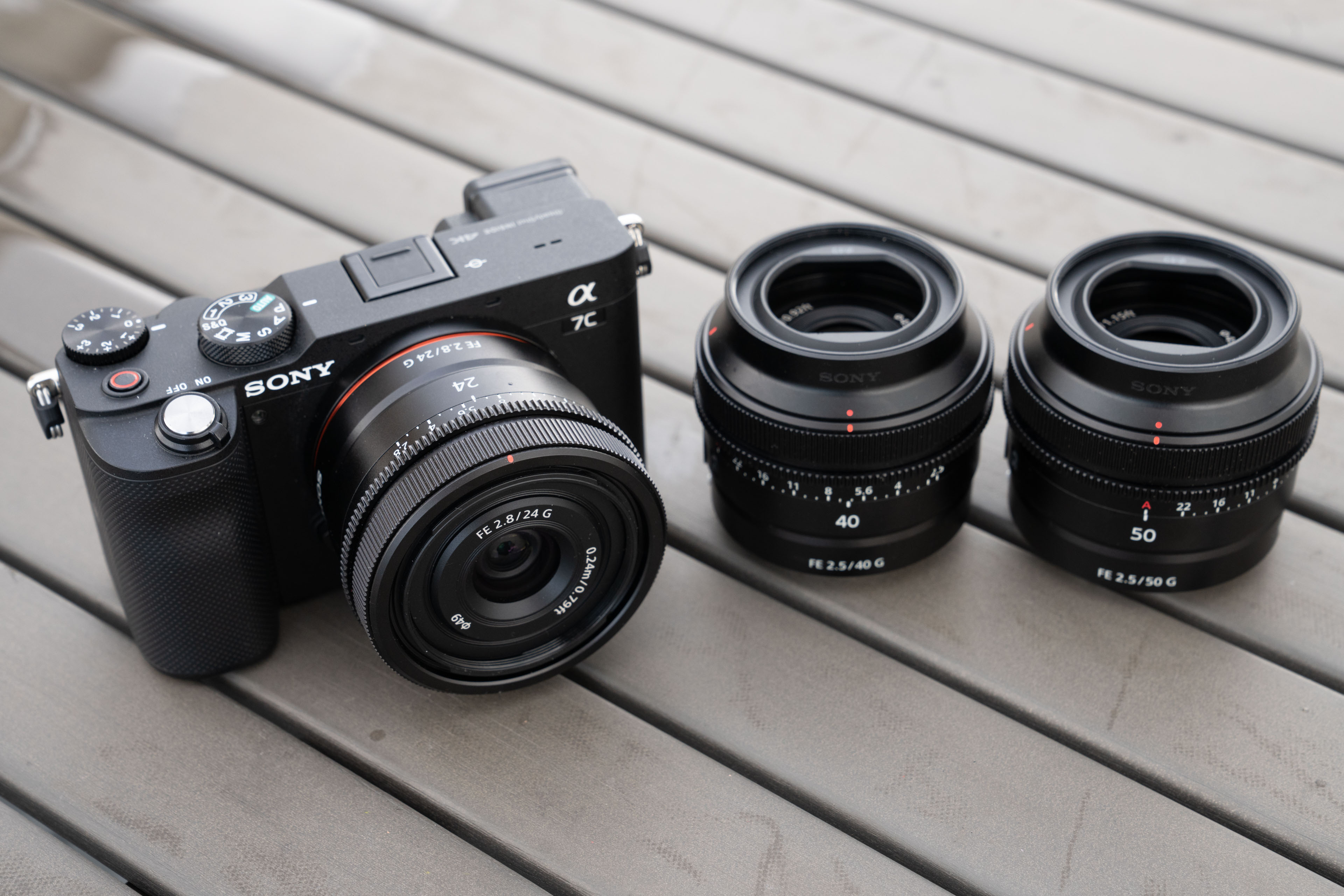
The Tamron 28-300mm F4-7.1 Di III VC VXD stands out as a versatile travel lens for Sony full-frame mirrorless cameras, balancing a wide focal range with a compact design. For photographers who prioritize portability without sacrificing reach, this lens offers an all-in-one solution for diverse shooting scenarios. As an editor at World Today Journal, I have followed the evolution of E-mount optics closely; this particular lens aims to solve the classic trade-off between zoom capability and weight that many travel photographers face when selecting equipment for their camera bag.
Design and Optical Versatility
The core appeal of the Tamron 28-300mm F4-7.1 Di III VC VXD is its extensive zoom range, which spans from a wide-angle 28mm to a telephoto 300mm. This flexibility allows users to capture sweeping landscapes and distant subjects without the need to swap lenses in the field. According to technical specifications provided by the manufacturer, the lens features a variable aperture of F4 at the wide end, stopping down to F7.1 at the 300mm focal length. This design choice is instrumental in maintaining a relatively small physical footprint, making it a compelling choice for long-duration travel where gear weight is a primary concern.

The optical construction includes specialized elements intended to minimize aberrations and ensure sharpness across the zoom range. In my experience evaluating similar optics, the inclusion of Vibration Compensation (VC) is a critical addition for a lens with this reach. The VC mechanism helps stabilize handheld shots, which is particularly important when shooting at the 300mm end of the zoom, where even minor camera shake can significantly impact image clarity. This stabilization system is a hallmark of Tamron’s current lens lineup, often integrated to complement the in-body image stabilization (IBIS) found in modern Sony Alpha bodies.
Performance and Autofocus Capabilities
The autofocus performance of this lens is driven by Tamron’s VXD (Voice-coil eXtreme-torque Drive) linear motor focus mechanism. This technology is engineered to provide fast, precise, and quiet focusing, which is equally beneficial for still photography and video recording. For creators utilizing Sony’s advanced real-time eye-tracking and subject-recognition features, the VXD motor is designed to keep pace with high-speed burst modes. The integration of such technology ensures that the lens remains responsive even when tracking moving subjects, a common requirement for wildlife or sports photography enthusiasts who rely on a single-lens setup.
Durability also plays a role in the lens’s utility for travel. Tamron has incorporated moisture-resistant construction to protect the internal elements from environmental factors. While this does not make the lens waterproof, it provides a necessary layer of security for photographers working in varied climates or dusty environments. The physical build is balanced to pair well with the compact bodies of the Sony E-mount series, ensuring that the camera-lens combination does not feel front-heavy during extended use.
Practical Utility for Sony Users
When considering the Tamron 28-300mm F4-7.1 Di III VC VXD, it is important to contextualize its role within the broader Sony ecosystem. Sony continues to expand its own lens offerings, such as the FE 100-400mm F4.5 GM OSS, which caters to specialized wildlife and sports applications where extreme reach and constant aperture are prioritized. The Tamron, by contrast, targets the travel photographer who values the convenience of a “do-it-all” lens. For those interested in the latest developments in Sony’s own imaging technology, including the newest flagship bodies and lens innovations, official updates are available via the Sony Corporation website.
For photographers already invested in the Sony system, the decision to add this lens often comes down to the specific requirements of their next project. If your priority is a lightweight, single-lens kit that covers almost every standard focal length, the 28-300mm is a strong candidate. If your work requires the specialized low-light performance of a faster prime or a constant-aperture telephoto zoom, you may find the limitations of the variable F4-7.1 aperture a factor to consider. As always, testing the lens in a retail environment or checking the latest firmware compatibility on the official support pages is recommended before making a purchase.
Looking Ahead
The market for third-party optics continues to evolve, with manufacturers like Tamron pushing the boundaries of what is possible in compact zoom design. As we look toward the remainder of the year, further developments in lens technology and sensor integration are expected to influence how we approach travel and event photography. Stay tuned to our tech section for future updates on lens releases and performance benchmarks. I encourage our readers to share their experiences or questions regarding this lens in the comments section below, as peer feedback is an invaluable resource for the photography community.
Worth a look