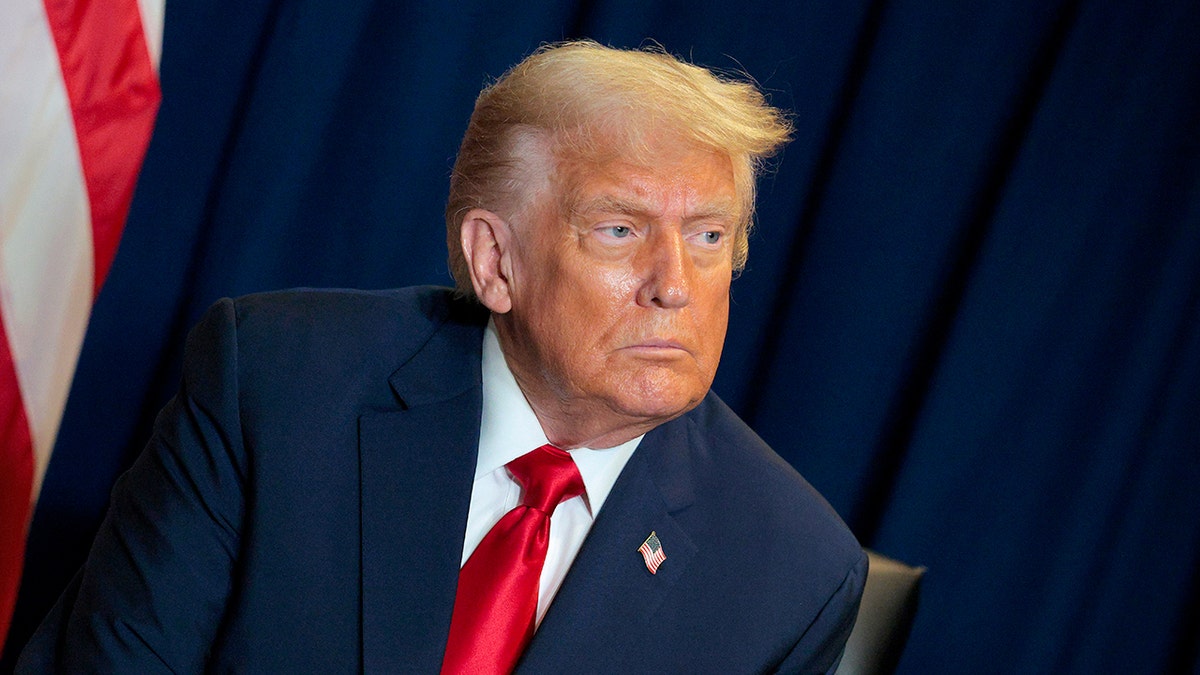
President Donald Trump has granted a full pardon to Stephen E. Buyer, a former Republican congressman from Indiana who was previously convicted of insider trading and securities fraud. The executive action, confirmed on June 6, 2026, concludes a legal case that saw the former lawmaker serve nearly two years in federal prison for his role in an illegal stock trading scheme.
Buyer, who represented Indiana’s 4th Congressional District, was found guilty in a Manhattan federal court following allegations that he utilized non-public information obtained during his post-congressional career as a consultant to conduct profitable stock trades. The pardon marks the latest exercise of presidential clemency regarding a high-profile political figure convicted of financial crimes.
Background of the Insider Trading Conviction
The legal proceedings against Stephen Buyer centered on allegations of illicit activity occurring after his departure from the U.S. House of Representatives. Prosecutors argued that Buyer used his position as a consultant to gain confidential details regarding corporate mergers and acquisitions, which he then leveraged to execute transactions for personal financial gain. According to court records from the U.S. District Court for the Southern District of New York, the scheme involved the unauthorized use of sensitive information to secure an unfair advantage in the stock market.
Following a trial in 2023, Buyer was convicted of multiple charges, including insider trading and securities fraud. He subsequently served a prison sentence of nearly two years, a term that had been a focal point of recent public and legal scrutiny regarding the accountability of former public officials. The case served as a significant example of the Department of Justice’s efforts to prosecute white-collar crime involving former members of Congress.
Presidential Pardons and Legal Precedent
The authority to grant pardons is a power vested in the President under Article II, Section 2 of the U.S. Constitution. This power allows for the forgiveness of federal offenses, effectively nullifying the remaining consequences of a criminal conviction. While the use of this power is entirely at the discretion of the executive, it frequently draws intense debate regarding the balance between mercy and the integrity of the judicial process, particularly in cases involving individuals who previously held public office.
Historically, the application of the pardon power has been used to address perceived injustices or to offer a path to rehabilitation for convicted individuals. However, critics often point to the potential for political influence when pardons are extended to former government officials. The decision to pardon a former congressman convicted of financial crimes highlights the ongoing tension in American politics between the executive branch’s broad clemency authority and the judicial branch’s mandate to uphold securities laws.
What Happens Next
Following the issuance of the pardon, the immediate legal consequences of Buyer’s conviction are effectively set aside. While the pardon removes the criminal record and the associated penalties of the conviction, it does not necessarily erase the findings of the court or the precedent established during the trial. For the legal community, the case remains a reference point for how federal prosecutors navigate the intersection of lobbying, consulting, and securities regulation.
As of June 7, 2026, there have been no further official announcements from the Department of Justice regarding this specific clemency action. Observers and legal analysts continue to monitor the administration’s use of executive power, particularly as it relates to figures with prior federal convictions. We will continue to update this page as more information becomes available regarding the official filing of the pardon documents.
Have thoughts on this development? Join the discussion below and share your perspective on the role of executive clemency in the American justice system.
Related reading