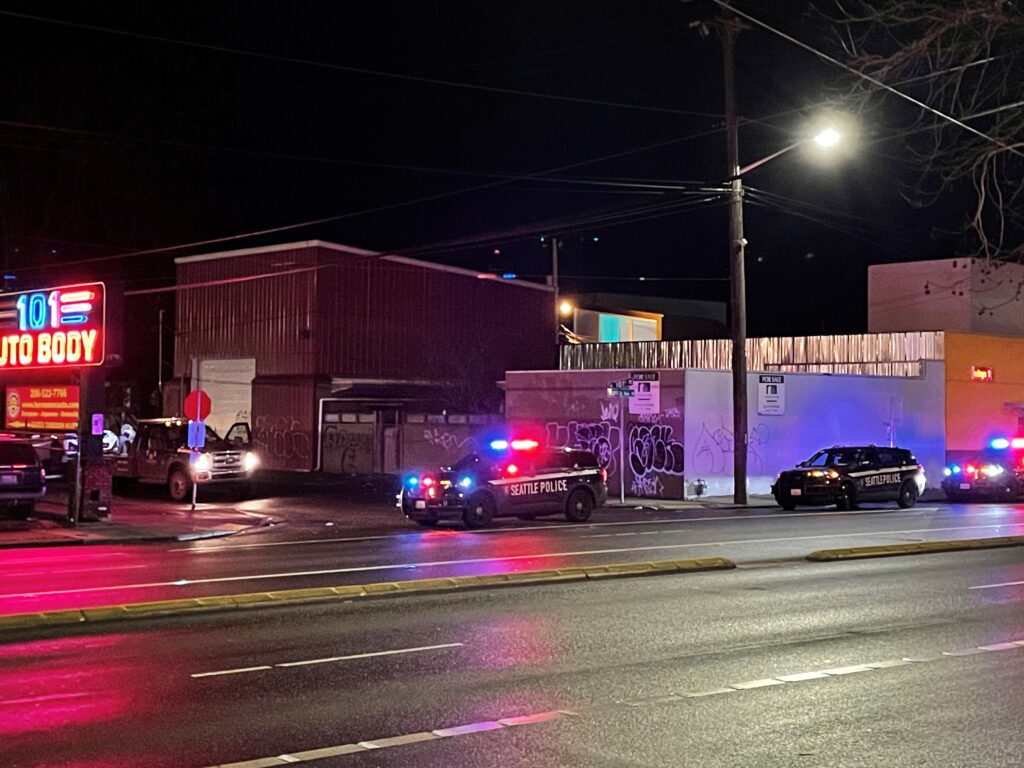
Residents in North Seattle are organizing to demand increased public safety measures along Aurora Avenue, citing ongoing concerns regarding gun violence and human trafficking. Community members have scheduled a peace march to voice their frustrations and are calling for elevated government intervention, including the potential deployment of the National Guard to address the persistent criminal activity in the area.
The situation along the Aurora Avenue corridor has become a focal point for city leadership and local law enforcement. According to official reports and public statements, the area has faced sustained challenges with illegal activity, prompting neighborhood groups to seek more robust solutions beyond current city strategies. The demand for a heightened state response reflects a growing sense of urgency among those living and working in the vicinity of the corridor.
Addressing Safety Concerns on Aurora Avenue
The intersection of public safety and criminal activity on Aurora Avenue has prompted significant debate among city officials, prosecutors, and residents. Local authorities, including the King County Prosecuting Attorney’s Office, have acknowledged the community’s distress, stating publicly that they hear the concerns raised by neighbors regarding the frequency of violent incidents and exploitation. The dialogue between the city and its residents highlights a divide over the effectiveness of existing crime prevention programs and the necessity for more aggressive, immediate action.
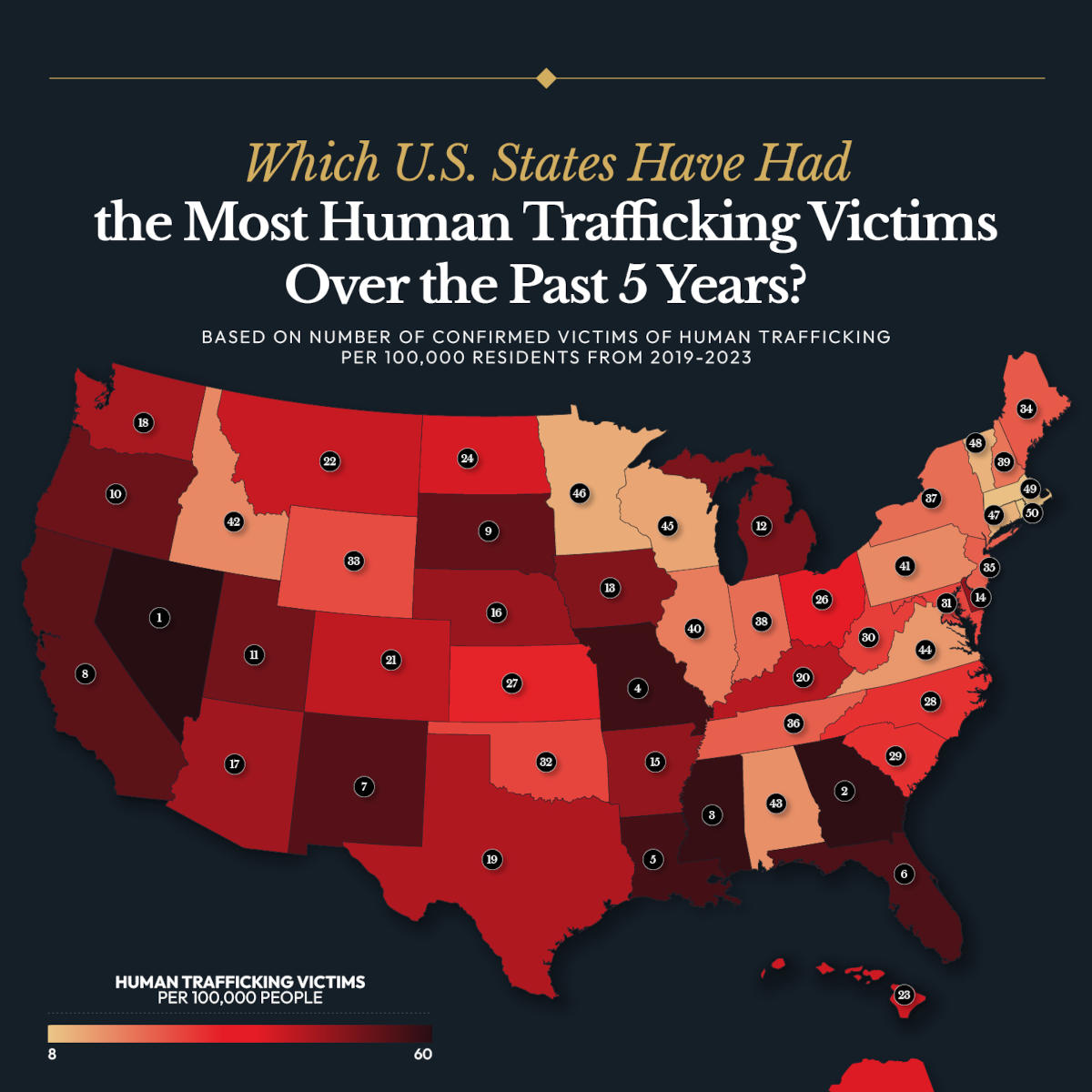
Critics of the current approach, including some former city officials, have argued that the lack of a cohesive, long-term strategy has contributed to the current climate of instability. As noted in public discussions regarding city policy, there is a perception that current measures are insufficient to curb the illicit markets that fuel both gun violence and sex trafficking. This has led to calls for the implementation of stricter regulations, such as Stay Out of Areas of Prostitution (SOAP) orders, which are designed to restrict the movement of individuals previously convicted of related offenses in specific high-crime zones.
For those seeking information on current city initiatives or wishing to provide feedback to local government, the Seattle City Council maintains public records and schedules for upcoming community safety hearings. Residents are encouraged to monitor these official channels for updates on policy shifts and law enforcement deployment plans.
The Debate Over Law Enforcement Strategy
The request for National Guard involvement marks a significant escalation in the community’s demands. While such deployments for domestic policing are rare and typically reserved for extreme emergencies, the proposal underscores the depth of the frustration felt by those who argue that traditional municipal policing has not kept pace with the scale of the crisis. Legal experts often point out that the use of state military assets for local law enforcement is governed by strict constitutional and statutory guidelines, which generally require a formal declaration of emergency by the governor.
The City of Seattle, which covers approximately 142 square miles, continues to balance its resource allocation between various public safety priorities. According to the U.S. Census Bureau, the city’s population growth and density present unique challenges for service delivery. For residents, the issue remains a matter of daily quality of life, as families and businesses grapple with the impact of ongoing criminal activity on their immediate neighborhood environment.
What Happens Next for North Seattle
Community organizers are moving forward with their planned march, intending to keep the pressure on elected officials to present a concrete, effective plan for the Aurora Avenue corridor. The next steps for the city will likely involve upcoming council sessions where public safety budgets and law enforcement priorities are reviewed. These meetings serve as the primary venue for citizens to participate in the democratic process regarding local governance.
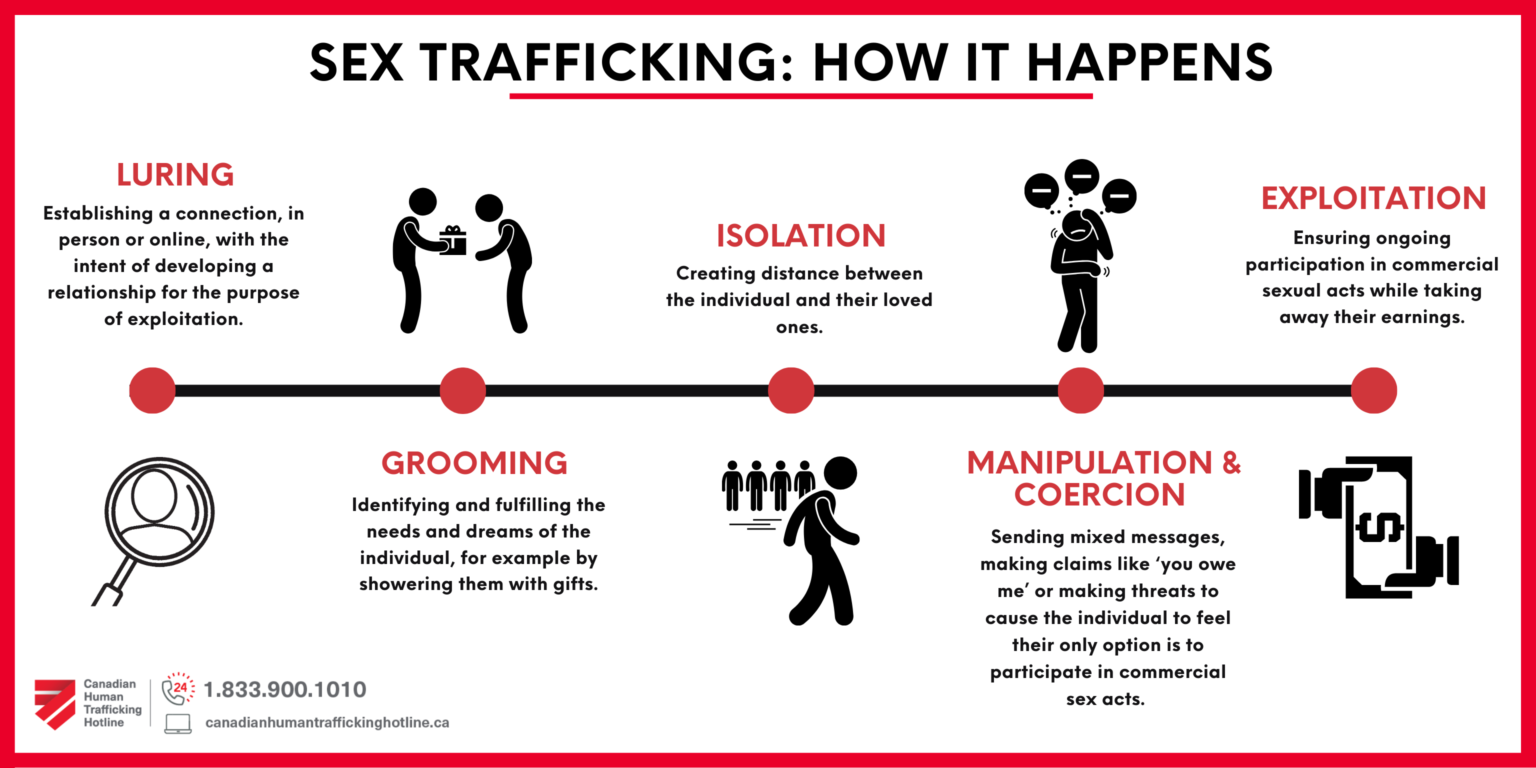
As the city continues to navigate these complex issues, the focus remains on whether new legislative tools or increased cooperation between regional law enforcement agencies can produce measurable results. Readers interested in the progress of these initiatives can track official Seattle Police Department updates or attend scheduled town halls to engage directly with representatives. We invite our readers to share their perspectives on these developments in the comments section below.
Keep reading