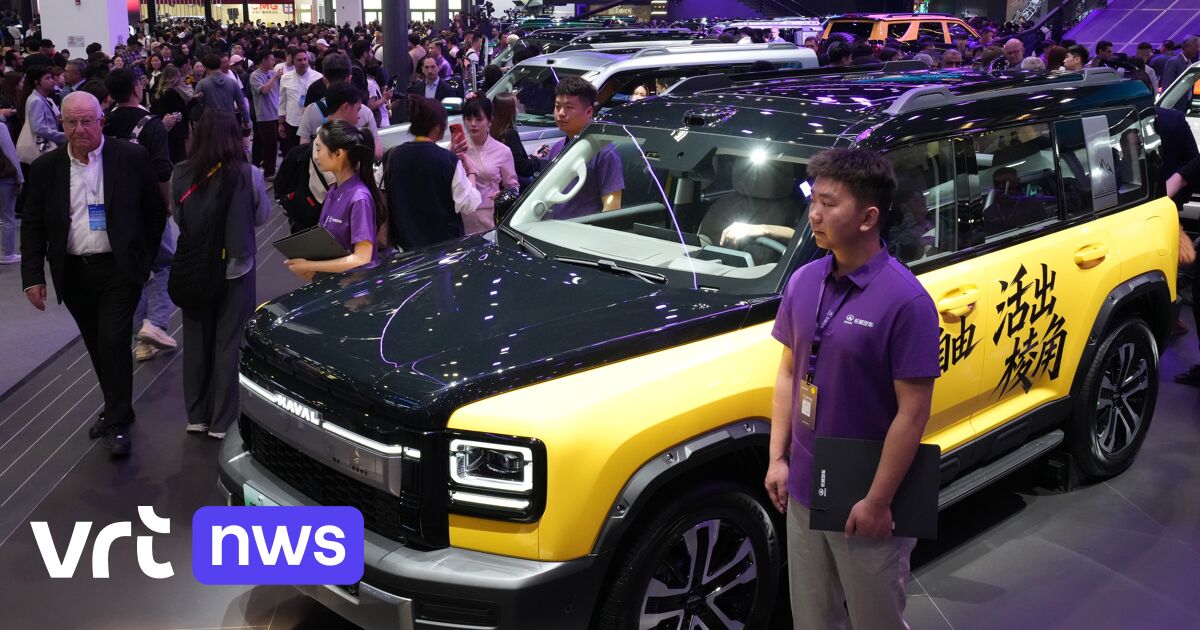
Beijing is moving to curb the trend of increasingly heavy and oversized electric vehicles (EVs) on Chinese roads. As the global automotive industry shifts toward electrification, regulatory authorities are signaling a pivot toward stricter standards for vehicle dimensions and weight to address concerns over road safety, energy efficiency, and urban infrastructure strain.
This regulatory shift represents a notable change in how the world’s largest electric vehicle market manages the physical footprint of passenger cars. By prioritizing efficiency and space, authorities aim to steer manufacturers away from the “bigger is better” design philosophy that has dominated recent high-end EV production, according to recent policy discussions in the sector.
The Regulatory Pivot: Why Weight Matters
The push to put electric vehicles on a “diet” is rooted in the fundamental physics of automotive engineering. Heavier vehicles require larger battery packs to achieve competitive ranges, which in turn necessitates more robust chassis designs and larger frames. This feedback loop has led to a steady increase in the average curb weight of new models, a trend that regulators are now viewing as counterproductive to broader green energy goals.

Beyond energy consumption, the physical size of these vehicles presents practical challenges for urban planning. Increased vehicle width and length place pressure on existing parking facilities and road capacity, particularly in dense metropolitan areas like Shanghai and Beijing. With the People’s Republic of China maintaining a massive automotive market, these incremental changes in vehicle size have significant implications for national traffic management, as detailed in recent economic and urban development data provided by the Britannica entry on China.
Balancing Innovation and Efficiency
For manufacturers, the new focus on vehicle “diets” requires a delicate balance. The industry has spent years competing on range and luxury features, many of which inherently add weight. Moving forward, engineering teams must navigate a regulatory environment that rewards weight reduction and optimized energy density over sheer size.
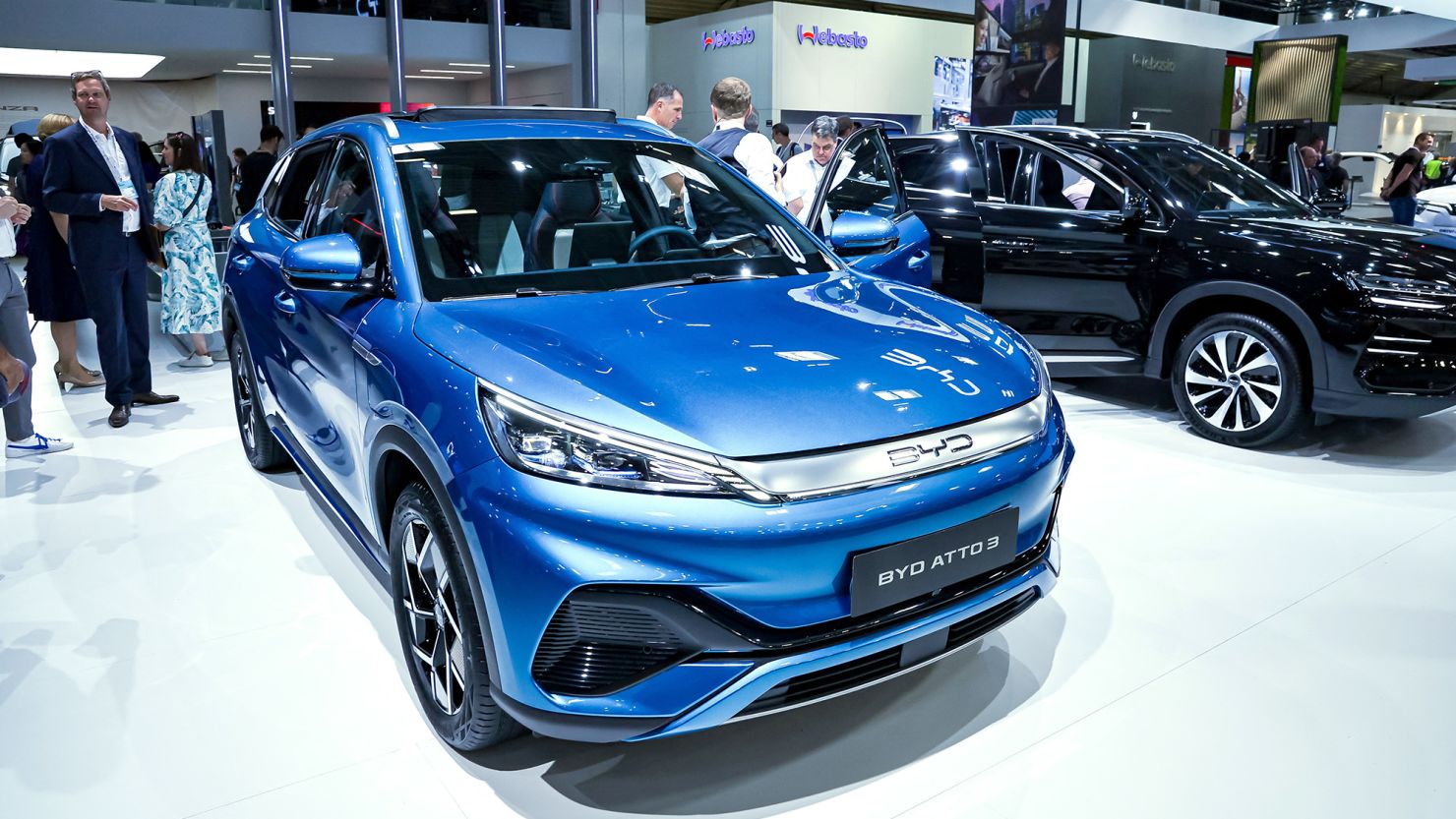
This transition is not happening in a vacuum. As the People’s Republic of China continues to dominate the global EV supply chain, these domestic standards are likely to influence international design trends. Manufacturers that can successfully integrate advanced, lightweight materials while maintaining performance will likely gain a competitive edge under the new, stricter regulatory framework.
What Happens Next?
The automotive industry is now awaiting specific technical guidelines from regulatory bodies regarding the implementation of these weight and size caps. While the current focus is on curbing the expansion of vehicle dimensions, the long-term goal remains the promotion of more sustainable, efficient urban mobility solutions.

Market analysts are currently monitoring the National People’s Congress and relevant transport ministries for the release of formal policy documents that will define the exact weight thresholds. These updates, expected to be phased in over the coming months, will serve as the primary indicator for how quickly legacy and startup automakers must pivot their production lines to align with the new national standards. We encourage our readers to monitor official government announcements for the latest updates on these vehicle safety and efficiency mandates.
What are your thoughts on the future of electric vehicle design? Join the conversation by sharing this article or leaving a comment below.