
Mexican government officials have formally requested that the National Coordinator of Education Workers (CNTE) conclude its ongoing protest actions, citing progress in recent negotiations. Rosa Icela Rodríguez, serving in her capacity as a senior government representative, has underscored the advancements made during dialogue sessions between the administration and the teacher-led organization. The call for an end to the demonstrations comes as both parties seek to address long-standing grievances regarding labor conditions, pension frameworks, and educational policy reform.
The CNTE, a prominent and influential faction within Mexico’s broader educational landscape, has maintained a visible presence through various protests that have impacted urban centers and administrative operations. The government’s recent outreach reflects a strategic move to stabilize the education sector and transition from confrontational tactics to structured policy discussions. According to reports from the La Jornada news organization, the administration has emphasized that the dialogue is yielding tangible results for both the state and the teaching workforce.
Addressing the Pension Reform Debate
A central pillar of the current friction involves the 2007 pension reform, which remains a focal point for labor advocates within the CNTE. Government officials have characterized the prospect of reversing this specific legislation as a “very difficult” endeavor, noting the legal and financial complexities inherent in the existing social security framework. The government maintains that the fiscal sustainability of the current model is a primary concern, while teacher unions argue that the current system fails to provide adequate security for retiring educators.
The debate over the economic impact of the CNTE’s demands has also gained traction in national discourse. Publications including El Financiero have analyzed the broader fiscal costs associated with the union’s influence and the potential budgetary consequences of modifying pension structures. These discussions underscore the tension between the government’s need for fiscal discipline and the union’s commitment to protecting the benefits of its members.
Strategic Negotiations and Recent Developments
While tensions have remained high, there are signs of a shift in the operational relationship between the CNTE and local government authorities. Recent reports from El Universal indicate that the union has signaled a temporary pause in its protest activities directed at the administration of Clara Brugada. This “truce” is viewed by many political observers as a potential turning point, allowing for more focused negotiations on the specific demands presented by the union leadership.
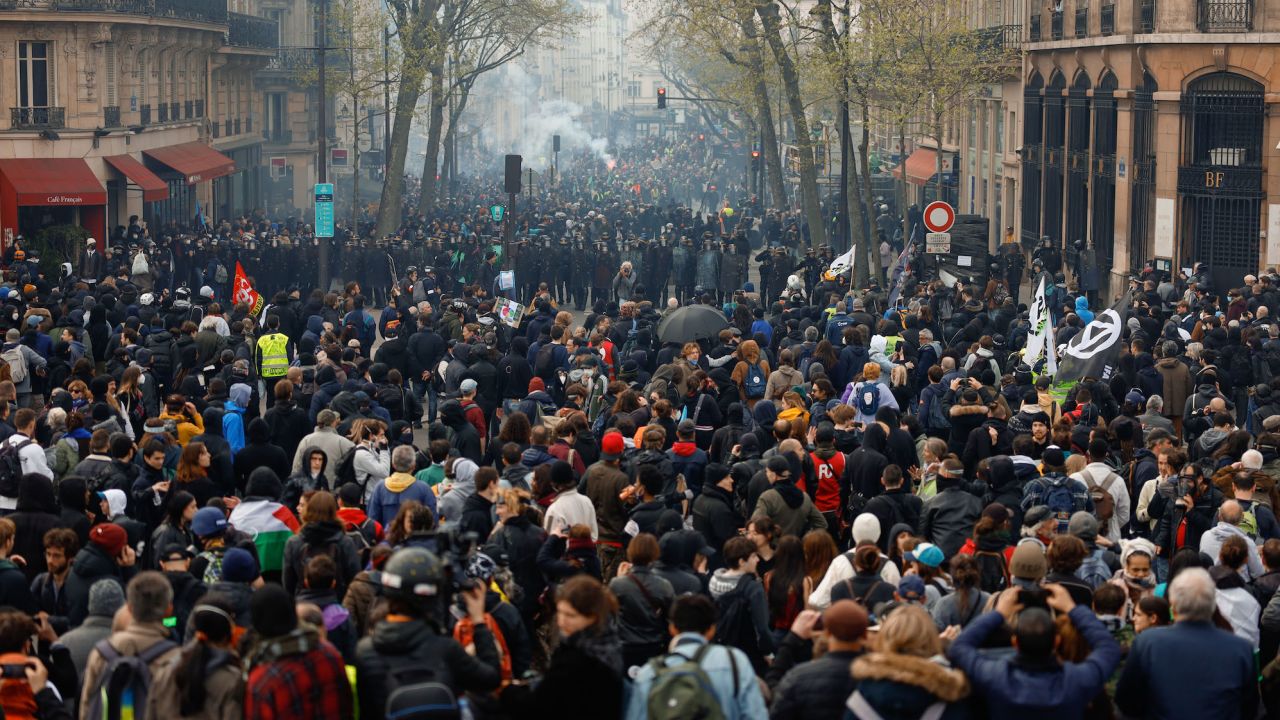
The government’s strategy appears to be twofold: maintaining a firm stance on the impossibility of a total rollback of the 2007 pension reforms while simultaneously engaging in high-level talks to resolve immediate labor issues. As noted by the newspaper Reforma, the government has explicitly requested that the union cease its disruptive protest tactics to facilitate a more constructive environment for ongoing talks. This request marks a significant attempt to de-escalate the situation after weeks of sustained pressure from teacher groups.
What Happens Next?
The immediate outlook for the education sector hinges on the ability of the CNTE and the government to reach a consensus on the proposed policy adjustments. Both parties are expected to continue their scheduled meetings, which serve as the primary venue for discussing the implementation of new labor guidelines and the potential for a revised pension strategy. Observers are closely monitoring the next round of official statements from the Secretariat of Government for updates on whether the current truce will hold and if further concessions will be made by either side.

The administration has not yet announced a definitive deadline for the conclusion of these talks, but the pressure to finalize an agreement is mounting as the academic calendar progresses. For stakeholders, including parents and students, the stability of the school system remains the highest priority. We will continue to monitor these developments as they unfold; please share your thoughts or questions regarding these negotiations in the comments section below.
Related reading