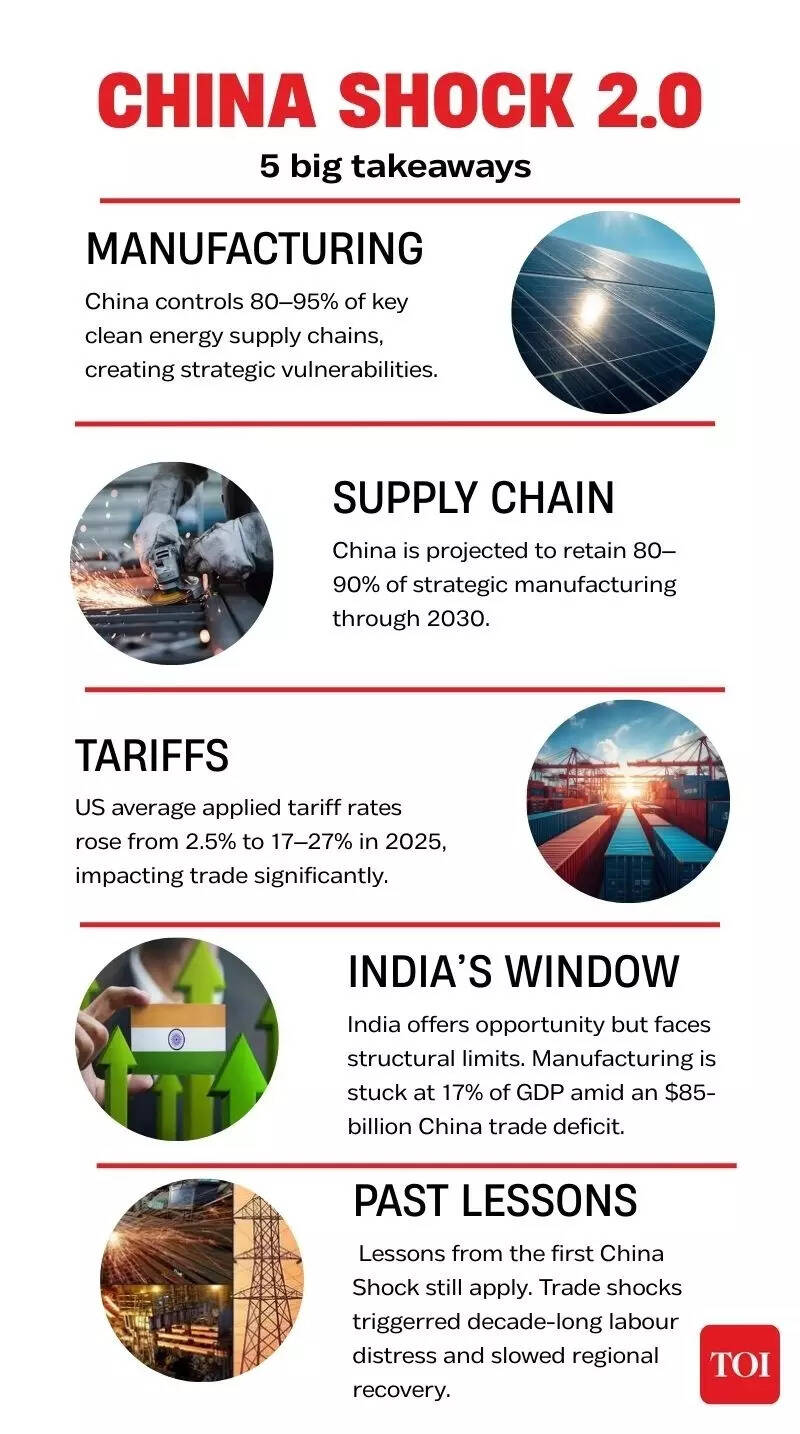
The European Union is intensifying its efforts to recalibrate its economic relationship with China, as officials raise concerns over industrial competitiveness and supply chain dependency. At the heart of this policy shift is a desire to protect the European single market from what some leaders describe as the risk of losing entire industrial sectors to subsidized competition.
For European policymakers, the challenge lies in balancing the necessity of a functioning trade relationship with the urgent need to secure critical supply chains. This strategy, often referred to as “de-risking,” aims to reduce reliance on single-source suppliers for essential goods and raw materials, ensuring that European companies remain resilient in an increasingly volatile global economy. The push for diversification is not merely an economic preference but a central pillar of the European Commission’s current industrial strategy, as it seeks to maintain a level playing field for domestic manufacturers.
The Push for Economic Resilience
The European Union’s approach to China has evolved from a focus on open trade to a more complex stance that emphasizes “economic security.” This shift is driven by the realization that significant portions of the European manufacturing base—ranging from green technology and electric vehicles to critical minerals—are deeply tethered to Chinese production and logistics.
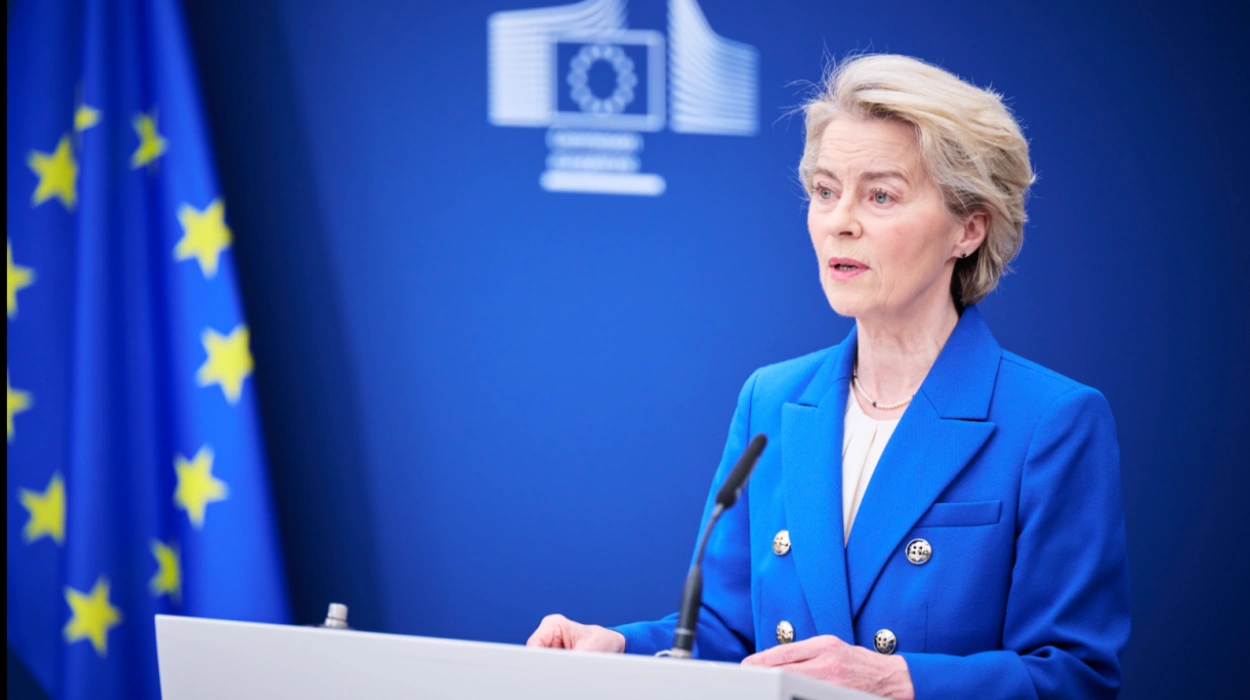
According to the European Commission, the goal is not to decouple from the Chinese market but to ensure that the relationship is built on fair competition and transparency. Ursula von der Leyen, President of the European Commission, has frequently highlighted the need for a “de-risking” strategy that prevents the bloc from being vulnerable to supply chain disruptions. This approach involves monitoring the influx of state-subsidized products that could potentially undermine European firms, which often face higher labor and environmental regulatory costs.
Addressing Industrial Vulnerability
The concern expressed by various European leaders centers on the potential for industrial hollowing, where domestic production capabilities are replaced by imported goods that are artificially cheaper due to state-led industrial policies. For sectors such as the automotive industry and renewable energy, the transition to a greener economy makes these supply chains particularly sensitive.
European authorities are currently evaluating measures that would encourage, or in some cases mandate, greater diversification of supply chains. This includes incentivizing companies to source critical components from a wider range of global partners and fostering domestic capacity in key technologies. The objective is to ensure that European industries maintain their innovative edge while minimizing the risks associated with over-dependence on a single partner that may have differing regulatory and political priorities.
Navigating a Complex Partnership
While the economic rhetoric has hardened, the diplomatic reality remains complex. China remains one of the European Union’s largest trading partners, and the interconnectedness of the two economies makes a sudden or total shift in policy impractical for many businesses. Consequently, the EU is pursuing a “results-oriented” dialogue with Beijing, aiming to address specific market access hurdles and regulatory imbalances.
The conversation between Brussels and Beijing is expected to continue across multiple forums in the coming months. The focus will likely remain on ensuring that trade practices align with international standards and that European businesses can compete on merit. As the European Union moves forward with its legislative agenda, the primary focus will be on defining the parameters of this “de-risking” process, ensuring it provides stability for European investors and manufacturers without sparking a broader trade conflict that could harm global economic growth.
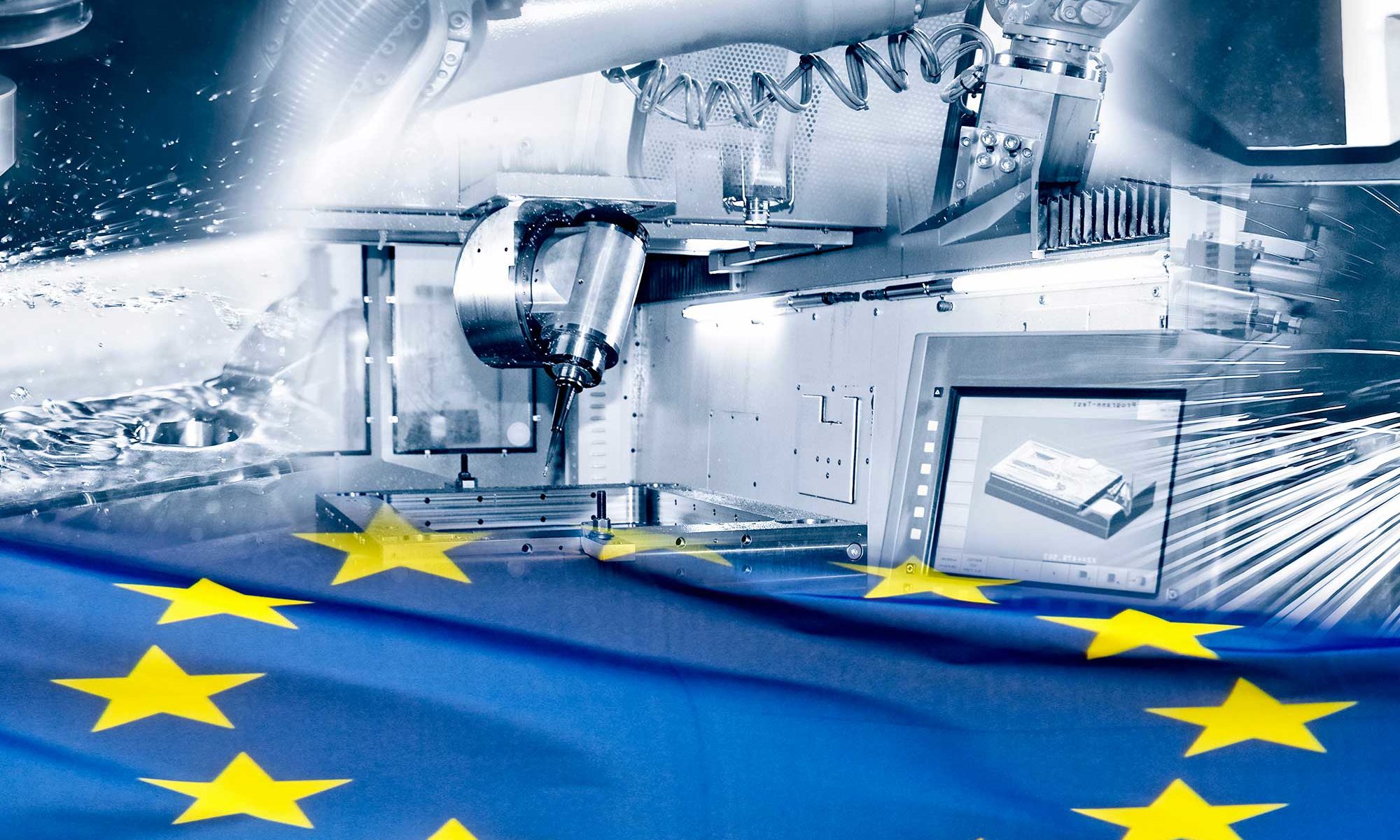
The ongoing discussions regarding industrial policy and supply chain security are expected to be a recurring theme in upcoming European Council meetings and bilateral diplomatic exchanges. Readers interested in tracking these developments can monitor official updates through the European Commission’s official portal, which provides the most accurate and timely information on pending trade regulations and economic policy shifts. We welcome your thoughts on how Europe should manage its industrial future—please share your perspective in the comments section below.
Worth a look