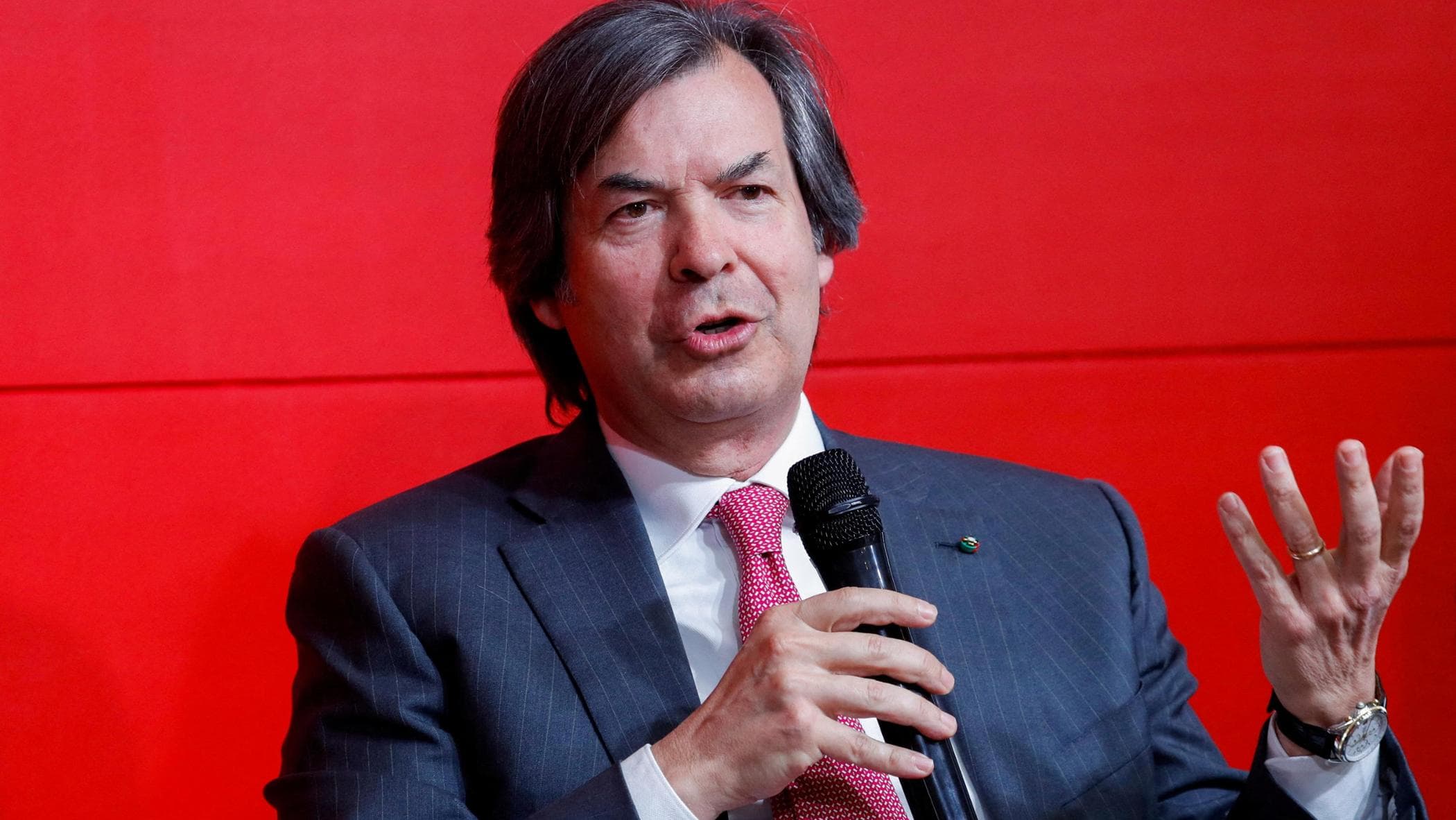
Intesa Sanpaolo, Italy’s largest banking group by total assets, is evaluating strategic options regarding a potential involvement with Monte dei Paschi di Siena (MPS), amid broader industry discussions concerning the consolidation of the Italian banking sector. The situation remains fluid as financial institutions weigh the implications of potential acquisitions or mergers, according to market reports regarding the current Italian banking landscape.
As of June 2026, Intesa Sanpaolo continues to operate as a major international banking group, maintaining a robust presence with approximately 90,831 employees and total assets valued at €960 billion as of 2025, according to the group’s verified institutional data. The institution, led by CEO Carlo Messina and Chairman Gian Maria Gros-Pietro, remains a central figure in the European financial markets, often cited in discussions surrounding large-scale banking consolidation. Intesa Sanpaolo S.p.A. remains a key component of the FTSE MIB index.
The Context of Italian Banking Consolidation
The Italian banking sector has seen a sustained period of strategic evaluation, with various institutions assessing the viability of creating a “third pillar” in the domestic market. While reports have suggested that entities such as Banco BPM might propose mergers to bolster this competitive standing, the involvement of major players like Intesa Sanpaolo introduces a complex layer to the ongoing industry discussions. The interest in MPS, a bank with a long-standing history, is frequently debated in terms of its impact on market share and the stability of the Italian financial system.
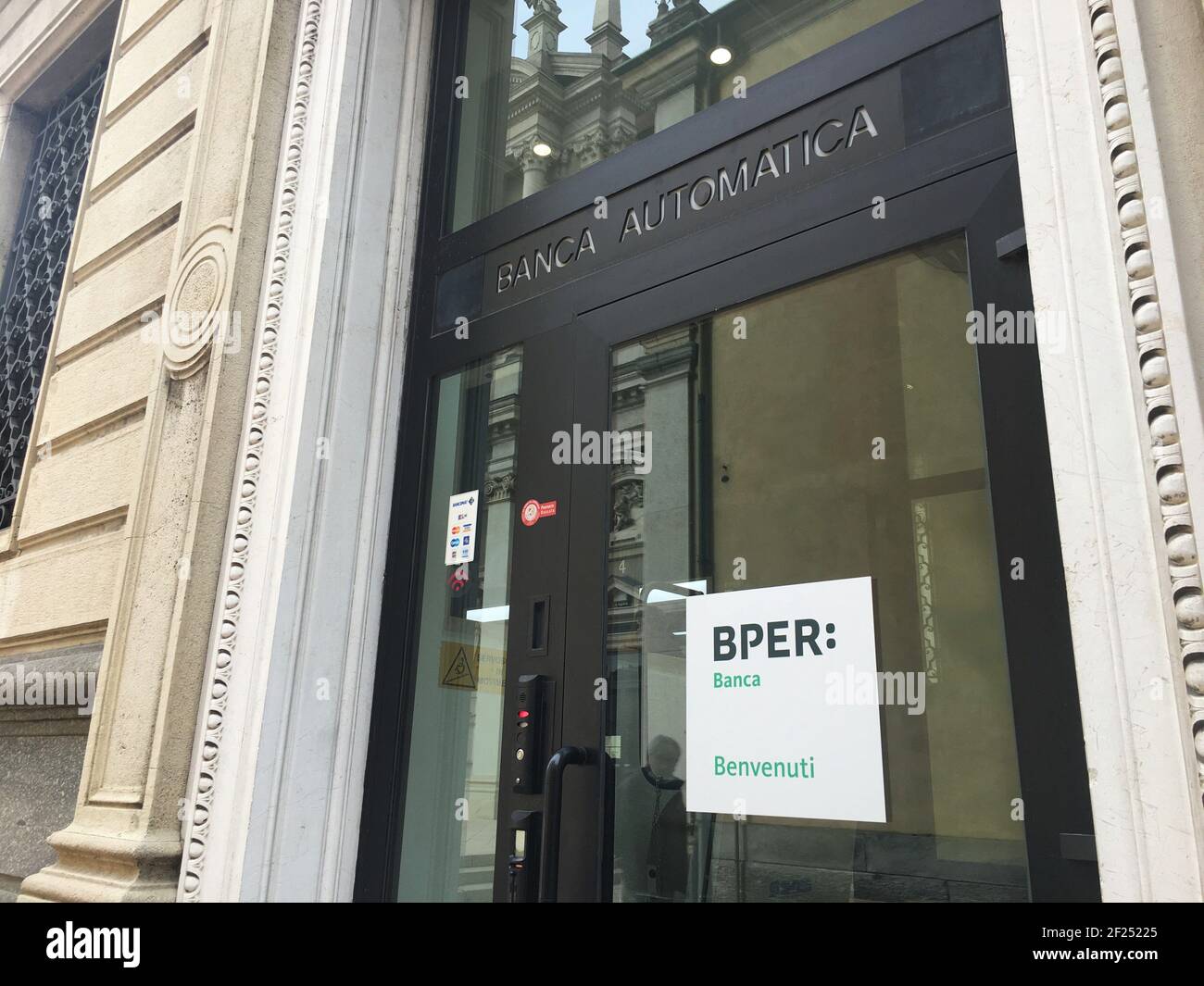
Intesa Sanpaolo’s operational scale, supported by its extensive network of 4,565 branches, positions it as a significant actor in any potential sector-wide restructuring. The bank, which was formed through the 2007 merger of Banca Intesa and Sanpaolo IMI, maintains a corporate identity that traces back to 1583, as documented in the group’s official historical records. The group reported a net income of €9.32 billion in 2025, a figure that underscores its capacity to engage in major corporate operations if deemed strategically necessary by its board.
Strategic Operations and Market Positioning
For investors and stakeholders, the primary question involves how Intesa Sanpaolo balances its existing digital transformation—evidenced by the expansion of services like isybank and the My Key digital identity system—with the potential for external growth through acquisitions. The group has recently emphasized its digital experience and remote services to manage daily banking needs, as detailed in its latest institutional documentation regarding multichannel banking. The My Key agreement allows for a unified digital identity across all Intesa Sanpaolo Group banks, facilitating a seamless transition for customers as the bank modernizes its service delivery.
Recent public-facing initiatives by the bank, such as the promotion of “Intesa Sanpaolo 2027” and various consumer-focused offerings, highlight its focus on retail and family banking, which remains core to the “Banca dei Territori” division headquartered in Turin. These consumer activities often run parallel to the high-level corporate and investment banking strategies managed from the Milan headquarters. The firm’s ability to maintain these two distinct operational hubs allows it to manage both local retail market demands and complex international financial dossiers simultaneously.
What Happens Next?
Market observers are closely monitoring upcoming board of directors meetings for any formal announcements regarding potential mergers or acquisitions. As of June 7, 2026, there is no official confirmation of a definitive agreement concerning MPS. Investors are advised to look for regulatory filings and official press releases from the bank, as these remain the only authorized sources for confirming changes in corporate structure or significant financial operations. The bank’s commitment to transparency, as outlined in its financial reporting, suggests that any material development would be communicated directly through the appropriate investor relations channels.
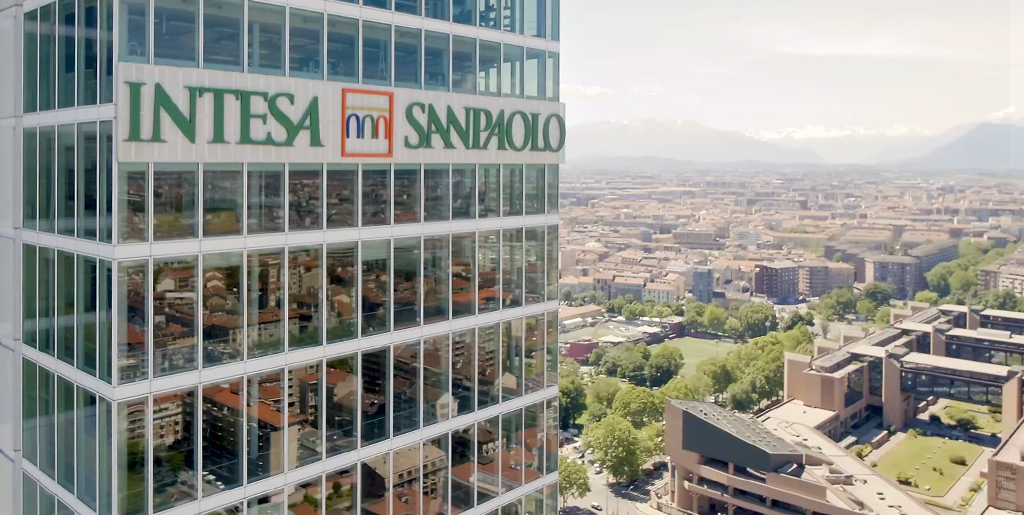
We will continue to monitor developments from the Milan and Turin headquarters. If you have insights or questions regarding the impact of these potential banking shifts on the broader European economy, please share your thoughts in the comments section below.