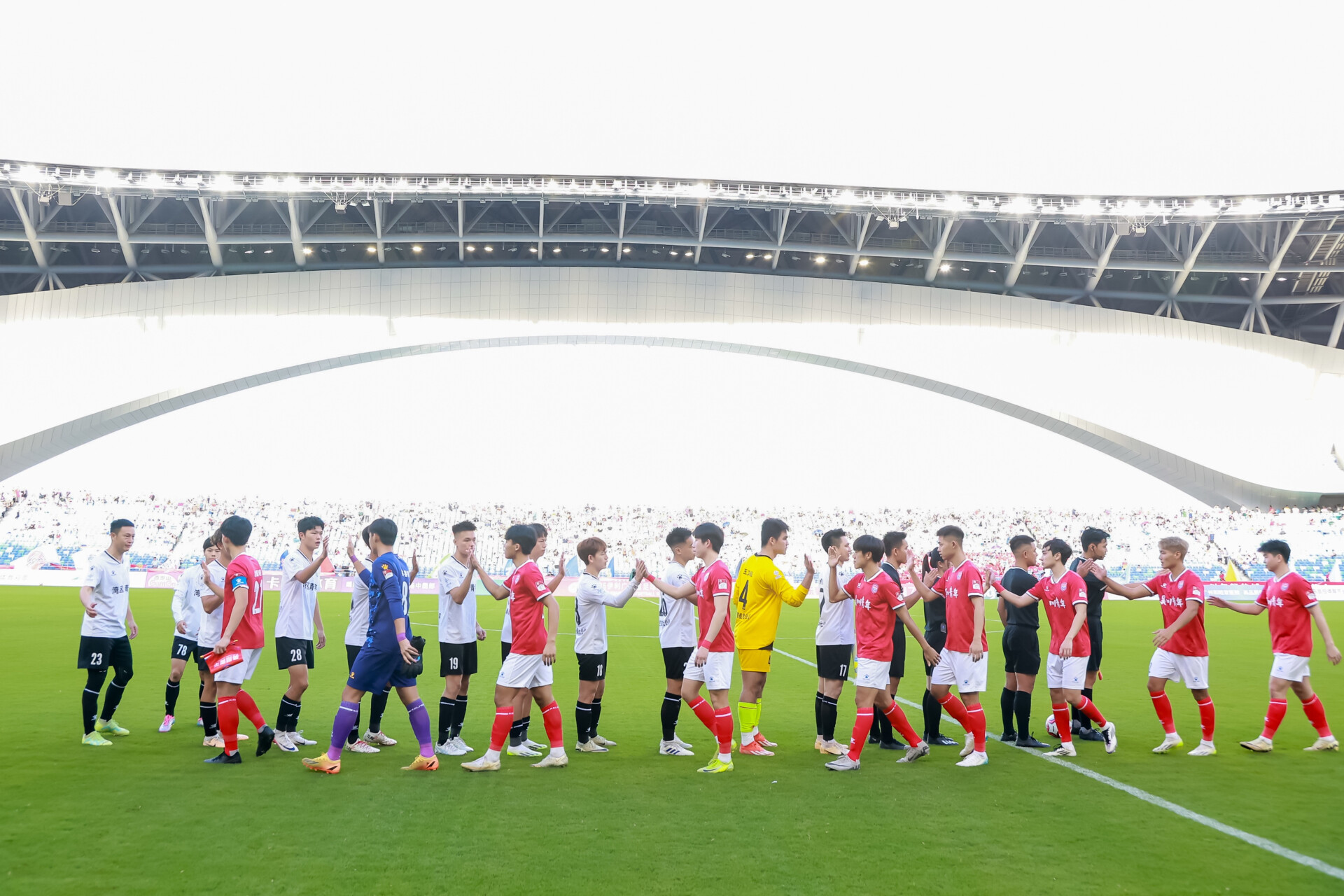
Guangdong province, a powerhouse in South China known for its vast trade networks and coastal geography, has seen a significant surge in interest for its provincial football league. As of June 2026, the Guangdong provincial football league—often referred to locally in regional sports coverage—has crossed a major threshold in its current regular season, drawing over 500,000 spectators to matches held throughout the region. This development underscores the growing intersection between regional sports culture, tourism, and community engagement in the province, which serves as a vital economic hub for the nation.
The league, which plays a central role in the sporting life of the Pearl River Delta, has evolved into more than just a series of athletic contests. With Guangzhou serving as the provincial capital and a major center for commerce, the league’s ability to attract half a million fans at the midway point of its regular season highlights how sport is increasingly being integrated into the broader cultural and economic landscape of the province. This trend aligns with Guangdong’s status as the most populous province in China, home to over 127 million people according to recent demographic data.
Regional Sports and the Economic Landscape
Guangdong’s geographic position on the north shore of the South China Sea has historically established it as a primary gateway for international trade. Today, this coastal province—which covers approximately 179,800 square kilometers—is leveraging its massive infrastructure and urban density to bolster local sports initiatives. The league’s current performance metrics, including high engagement levels and consistent attendance, reflect the region’s broader capacity for hosting large-scale public events.
The economic impact of these matches is notable. By hosting games across various prefectures, the league stimulates local economies, encouraging tourism and supporting the service sectors in cities that range from major metropolises like Shenzhen to smaller regional hubs. This integration of sport and tourism is a strategic component of the province’s developmental goals, utilizing the popularity of football to drive foot traffic into local markets and hospitality venues.
Data-Driven Success in the Halfway Stage
As the regular season hits its midway point, officials and organizers have pointed to the consistency of the tournament’s competitive quality as a primary driver for the record-breaking attendance. The league’s emphasis on tactical, high-intensity play has resonated with fans, maintaining a steady average of scoring that keeps supporters engaged throughout the ninety minutes of play.
The success of the league is also a testament to the region’s deep-rooted football culture. Cantonese cuisine and local customs often feature prominently in the match-day experience, creating an environment that feels both competitive and accessible to the public. As the league looks toward the second half of the season, the focus remains on maintaining the balance between high-level athletic performance and the “smoke and fire” of the match-day atmosphere that has drawn such massive crowds.
Looking Ahead: The Final Stretch
With the regular season now in its second half, the pressure on teams to secure a playoff position is intensifying. The league office has indicated that upcoming fixtures will be crucial for determining the final standings, with several key matches scheduled in major regional stadiums. For fans and stakeholders, the remaining portion of the season promises to be a test of endurance and tactical depth for the competing clubs.
The next major checkpoint for the league will be the conclusion of the regular season, followed by the announcement of the playoff bracket. We will continue to track the performance of the top-ranked teams and provide updates on the league’s impact on regional tourism and community development. As always, we invite our readers to share their thoughts on the season’s progress in the comments section below.
- Bayern Munich’s South Korea Tour: Kompany on Squad Prep and Kim Min-jae’s Arrival
- Matt Hardy Addresses Grayson Waller’s TNA Shot on WWE NXT
- Arsenal Reportedly Agree Blockbuster Deal to Make Vinicius Junior Highest-Paid Premier League Player (archynewsy.com)
- Super Robot Wars Y Anniversary Expansion Pack Launches August 5 with New Content (time.news)