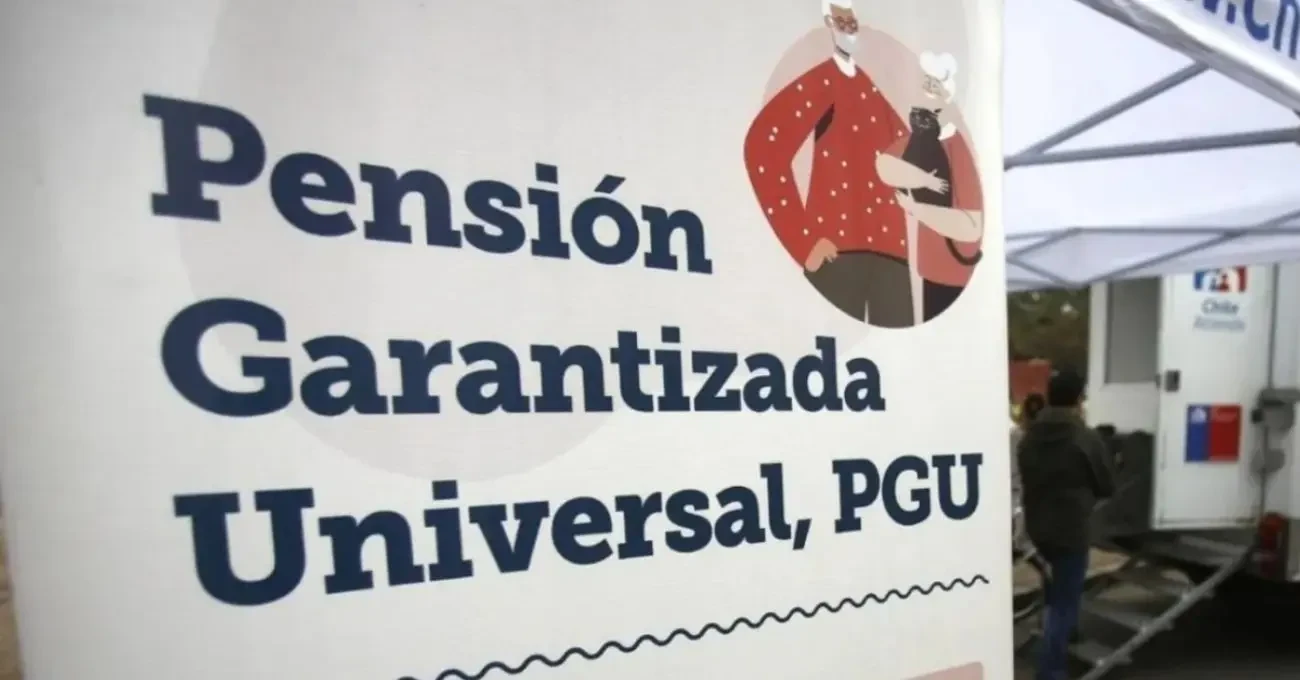
The Universal Guaranteed Pension (Pensión Garantizada Universal, or PGU) serves as a cornerstone of Chile’s social security framework, providing a monthly financial benefit to older adults to supplement their retirement income. As of mid-2026, understanding how to calculate the base pension and determining eligibility remains essential for seniors navigating the national social security system. The benefit is managed by the Instituto de Previsión Social (IPS), which oversees applications and payment distributions for eligible citizens who meet specific socio-economic criteria, according to the official Instituto de Previsión Social portal.
To qualify for the PGU, applicants must be 65 years of age or older and must not belong to the wealthiest 10% of the population, as determined by the social security assessment conducted by the government. Unlike previous systems, the PGU is not contingent on whether an individual continues to work or has contributed to a specific pension fund in the past. Detailed requirements and the application process are outlined by the ChileAtiende service network, which provides the primary digital platform for checking eligibility status using a national identification number (RUT).
Understanding the Calculation of the Base Pension
The calculation of an individual’s “base pension” is the primary factor in determining whether they qualify for the full PGU amount or a partial benefit. The base pension is defined as the life annuity or programmed withdrawal amount an individual receives from their mandatory individual capitalization account, plus any other voluntary savings or pension components. Under current regulations, the state assesses this amount to ensure the total income does not exceed the defined thresholds that trigger a reduction or disqualification from the subsidy.
If an individual’s base pension is below the established “maximum pension with solidarity contribution” (Pensión Superior), they are eligible for the full PGU amount. If the base pension exceeds this threshold but remains below the “maximum threshold” (Pensión Máxima), the benefit is paid on a prorated basis. The government updates these thresholds periodically to account for inflation and economic adjustments, as mandated by the legislation governing the Universal Guaranteed Pension Law. Readers can verify their specific standing by reviewing their latest pension settlement statement issued by their respective AFP (Administradora de Fondos de Pensiones) or the IPS.
Eligibility Criteria and the Socio-Economic Assessment
Eligibility for the PGU is strictly tied to a socio-economic test rather than a simple income cap. The government utilizes the “Registro Social de Hogares” (Social Registry of Households) to categorize citizens. To be eligible, an applicant must fall within the range that excludes the richest 10% of the population. This assessment considers the total income of the household, the number of dependents, and other socio-economic variables that the Ministry of Social Development and Family tracks to ensure public funds reach those in the greatest need, as detailed by the Registro Social de Hogares official site.
It is important to note that the PGU is not automatic; it requires a formal request. Even if an individual meets the age and residency requirements—such as having lived in Chile for at least 20 years, with at least four of those years occurring in the five years immediately preceding the application—they must initiate the process through the IPS or ChileAtiende. Failure to submit an application prevents the disbursement of funds, even for those who qualify under the socio-economic criteria.
Recent Updates and Payment Adjustments
The PGU amounts are subject to annual adjustments based on the Consumer Price Index (IPC) to maintain purchasing power. As of 2026, the maximum monthly benefit amount is set by official government decree. Beneficiaries should monitor the official announcements from the Ministry of Finance, as these adjustments typically take effect in the first half of the year following the publication of the annual economic report. The Ministry of Finance provides the official documentation regarding the budgetary allocations for these social transfers.

For those currently receiving the benefit, the IPS recommends keeping contact information updated within the system to ensure timely notifications regarding any changes to payment amounts or eligibility status. Any discrepancies in the calculated base pension or concerns regarding the socio-economic score can be addressed through the formal appeals process handled by the IPS or the social development authorities. The next official review of the PGU thresholds is scheduled to occur in accordance with the national budget calendar for the upcoming fiscal cycle. We encourage readers to share their experiences or questions in the comments section below for community discussion.
Worth a look