Visa application processes across various African nations have increasingly become a focal point of public scrutiny, as residents and travel industry observers raise concerns regarding the rising costs and the perceived lack of transparency in the outsourcing of administrative tasks. Private entities, such as VFS Global, now manage significant portions of the visa application workflow for numerous foreign governments, acting as intermediaries between applicants and diplomatic missions. This shift in service delivery has sparked debates about the accessibility of international travel and the economic burden placed on citizens navigating complex bureaucratic requirements.
For many applicants, the journey begins with navigating online platforms to schedule appointments or submit documentation. These private service providers offer a range of auxiliary options, including form-filling assistance, premium lounge access, and courier services for document delivery. While these services are marketed as tools to enhance convenience, the associated fees—often paid in addition to the mandatory visa application charges set by the host countries—have drawn criticism from those who feel the process has become commodified. The reliance on these third-party intermediaries is a standard operational model for many diplomatic missions worldwide, designed to alleviate the administrative load on embassy staff, yet the implementation of these systems in diverse regional contexts continues to face challenges.
The Role of Private Outsourcing in Visa Processing
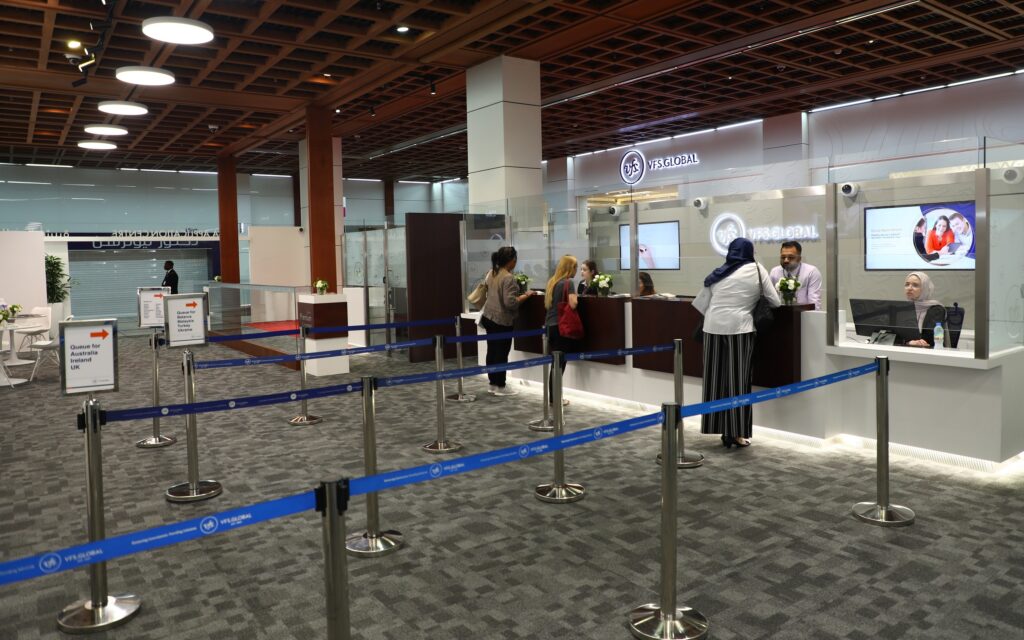
Outsourcing visa application services is a common practice employed by many countries to manage the high volume of requests efficiently. According to information provided by VFS Global, the company operates as a commercial partner to governments, offering infrastructure and administrative support to process applications. This model is intended to streamline the collection of biometric data and documentation, allowing diplomatic personnel to focus on the adjudication and security aspects of visa issuance. However, the presence of these private contractors has created a complex environment where applicants must often pay service fees in addition to the government-mandated visa costs.
The operational framework for these services is governed by contracts between the private provider and the specific foreign government. These agreements typically outline the scope of services, the security protocols for handling personal data, and the fee structures. As noted in the company’s service documentation, applicants are often presented with optional services designed to expedite their journey or provide a more comfortable submission experience. For users, the primary interface with this system is usually through online portals that facilitate application tracking and appointment scheduling. These portals, such as those used for tracking passport status, emphasize the importance of using compatible web browsers to ensure the security and accessibility of the data being processed.
Public Sentiment and Transparency Concerns
In several regions, the reliance on third-party visa contractors has been met with growing frustration. Critics argue that the fees associated with these private services can be prohibitive, effectively creating a financial barrier for those seeking to travel for education, business, or family reasons. Furthermore, the limited availability of appointment slots—often booked rapidly—has led to allegations of a secondary market or “trafficking” of slots, where third parties may intervene to secure appointments for a fee. This phenomenon, while difficult to quantify, has become a recurring theme in public discourse regarding the fairness of the current system.
The frustration is compounded by the lack of direct communication channels with the diplomatic missions themselves, as the private contractors serve as the primary point of contact for the duration of the application process. When delays occur or applications are rejected, applicants often express difficulty in obtaining clear explanations or seeking recourse. This perceived lack of transparency has prompted calls for greater oversight and more robust regulatory frameworks to ensure that the outsourcing of public-facing services remains accountable to the needs of the public.
Navigating the Application Process
For those currently navigating the visa application process, officials and industry experts emphasize the importance of relying solely on official channels. Applicants are generally advised to use the government-sanctioned websites linked directly from the relevant embassy or consulate pages to avoid potential misinformation or fraudulent services. Official portals, such as those that allow users to confirm travel details and track the status of their documents, are the only verified sources for application updates.
The complexity of these requirements necessitates careful attention to detail. Many applicants find that following the instructions provided by the official diplomatic mission, rather than third-party guidance, is the most effective way to ensure their application is processed correctly. As the global landscape for international travel continues to evolve, the discourse surrounding the cost and accessibility of visas will likely remain a significant topic for both travelers and the diplomatic entities that facilitate their movement. Increased advocacy for digital transparency and standardized fee structures may play a role in how these services are managed in the future.
For the latest updates regarding visa policies and official application procedures, applicants should consult the official websites of the destination country’s embassy or consulate. We encourage our readers to share their experiences and perspectives on this evolving issue in the comments section below, as we continue to track developments in global travel policy.
Worth a look