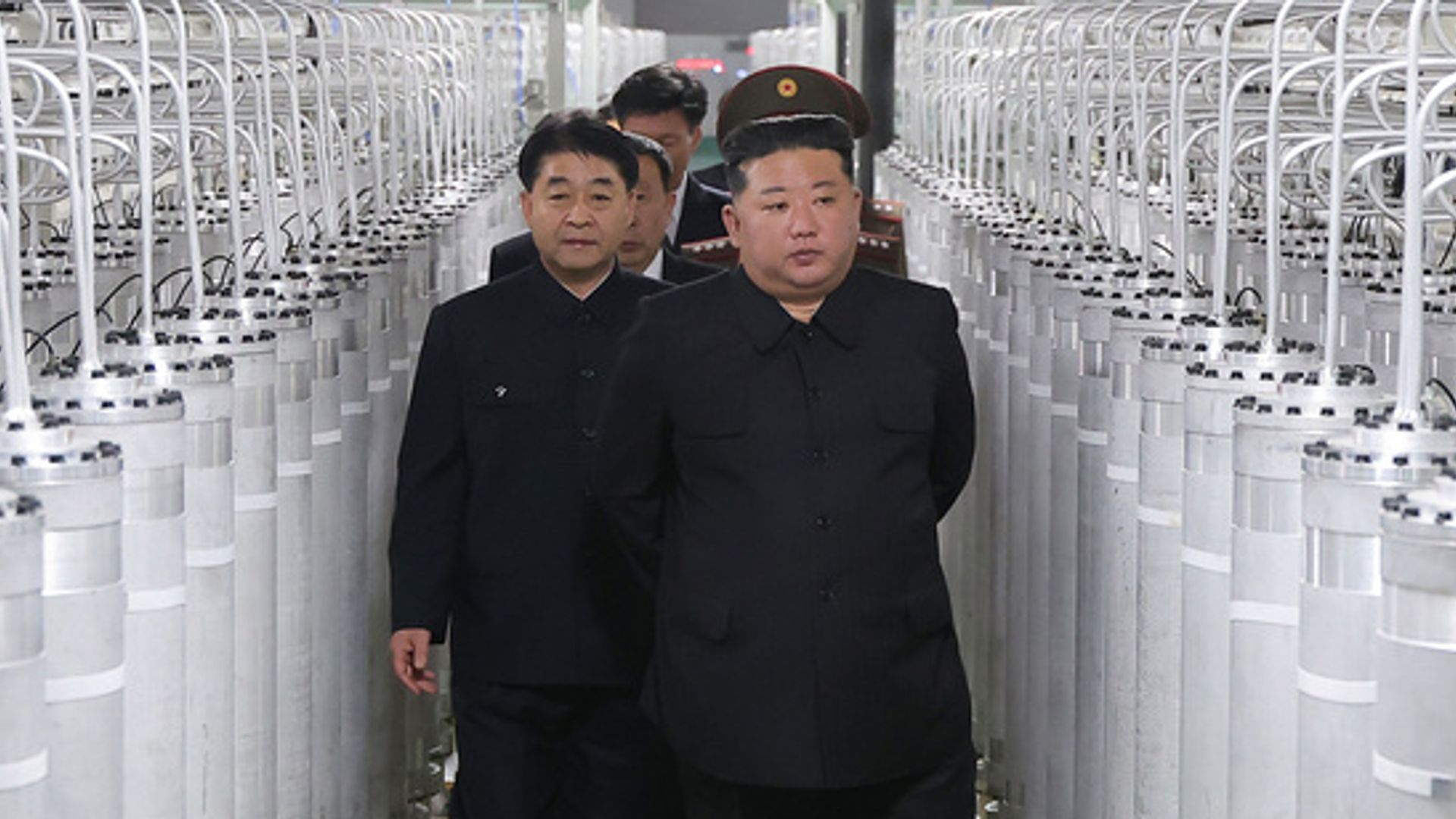
North Korea will never surrender its nuclear-armed status, according to recent statements from the country’s leadership. Kim Yo Jong, the sister of North Korean leader Kim Jong Un and a prominent figure in the nation’s ruling hierarchy, has publicly declared that the state will continue to expand its atomic arsenal, effectively ending any speculation regarding potential denuclearization in the near term.
This development comes as the international community continues to monitor North Korea’s military posture and its ongoing efforts to modernize its strategic weapons systems. The declaration, which emphasizes a commitment to maintaining nuclear capabilities, serves as a direct rejection of international pressure and diplomatic attempts aimed at regional disarmament. As an editor specializing in global affairs, I have tracked these developments closely, and this stance marks a hardening of Pyongyang’s long-standing policy regarding its security interests.
Understanding the Stance on Nuclear Armament
The assertion by Kim Yo Jong serves as a definitive signal of North Korea’s strategic trajectory. By characterizing the possession of nuclear weapons as a non-negotiable element of national security, the government in Pyongyang aims to cement its status as a nuclear-armed state. This policy is not new; rather, it is a reinforcement of the legislative framework established by the country in September 2022, when it passed a law declaring itself a nuclear-weapons state and authorized the preemptive use of nuclear force in certain scenarios, as documented by Reuters.
For observers of regional geopolitics, this announcement underscores the limited efficacy of traditional diplomatic engagement. The leadership in North Korea consistently frames its nuclear development as a necessary deterrent against perceived hostile policies from the United States and its regional allies. Consequently, the expansion of their atomic arsenal is presented as an essential component of their “self-defensive” military doctrine.
Regional Security and Global Implications
The commitment to an expanding nuclear arsenal has significant ramifications for the security architecture of Northeast Asia. Neighboring countries, particularly South Korea and Japan, have frequently cited North Korea’s missile testing and nuclear rhetoric as primary threats to regional stability. In response to these developments, the United States has deepened its trilateral security cooperation with Seoul and Tokyo, including increased intelligence sharing and regular joint military exercises designed to enhance deterrence, according to reports from the New York Times detailing the 2023 Camp David summit.
The refusal to engage in disarmament talks creates a persistent diplomatic impasse. International efforts, such as those led by the United Nations Security Council, have historically utilized economic sanctions to compel a change in policy. However, the efficacy of these measures has been debated, as North Korea continues to find ways to circumvent restrictions while maintaining its focus on technological advancements in its weapons programs.
What Happens Next
As we look toward the coming months, the focus will remain on North Korea’s technical progress and the subsequent responses from the international community. Future developments to watch include:
- Official reports from the International Atomic Energy Agency (IAEA) regarding activity at the Yongbyon nuclear facility, which provides insight into the country’s plutonium and enriched uranium production capabilities, as noted by the IAEA.
- Potential further missile testing, which typically serves as a barometer for the regime’s current military capabilities and its willingness to signal defiance to the international community.
- Ongoing diplomatic discussions within the United Nations regarding the enforcement of existing resolutions and the potential for new measures to address the evolving threat landscape.
The situation remains fluid, and the lack of a viable diplomatic pathway for denuclearization suggests that the current state of tension is likely to persist. As always, World Today Journal will continue to provide verified updates as official statements are released and regional developments unfold. Please feel free to share your thoughts or questions in the comments section below, and join our conversation on the future of global security.
Keep reading