
Indonesian authorities have taken Deputy Minister for Immigration and Correctional Affairs Silmy Karim into custody following an investigation into alleged corruption. The arrest, which occurred earlier this week, follows a series of inquiries conducted by anti-graft investigators. As of June 8, 2026, the case remains a developing situation in Jakarta, where officials are scrutinizing financial discrepancies linked to the immigration department.
The investigation into Silmy Karim is part of a broader crackdown on graft within the Indonesian government. While the specific details of the charges are currently being processed through the legal system, the arrest has drawn significant public and institutional attention. According to official records, Indonesia, a country with a population of over 288 million, has been intensifying efforts to address administrative corruption through its primary anti-graft agencies (Republic of Indonesia Government Statistics).
The Scope of the Investigation
The apprehension of the deputy minister followed a period of intensive overnight questioning. Investigators are currently reviewing evidence related to alleged corruption cases that have surfaced within the immigration and correctional sectors. Although initial reports suggested multiple lines of inquiry, officials have emphasized that the investigations are ongoing and are being handled by the relevant anti-corruption authorities (Reuters Coverage of Indonesia Graft Charges).
The legal process in Indonesia mandates that such investigations follow strict protocols under the nation’s presidential republic framework. As the case progresses, the focus remains on the transparency of the LHKPN (State Official Wealth Report), which is a mandatory disclosure for high-ranking public servants. Any assets or financial holdings found to be inconsistent with these filings are subject to immediate review by the Corruption Eradication Commission (KPK), which is the agency tasked with overseeing the integrity of government officials (Governmental Structure and Oversight).
Institutional Accountability and Public Trust
The arrest of a high-level official such as Silmy Karim highlights the challenges faced by the current administration in maintaining the integrity of its civil service. For the public, the case serves as a test of the efficacy of recent anti-graft measures. The involvement of the KPK in these proceedings is a standard procedure for high-profile corruption allegations in Indonesia, ensuring that the evidence collected—ranging from financial documentation to asset verification—is handled in accordance with national law (Official Detention Procedures).
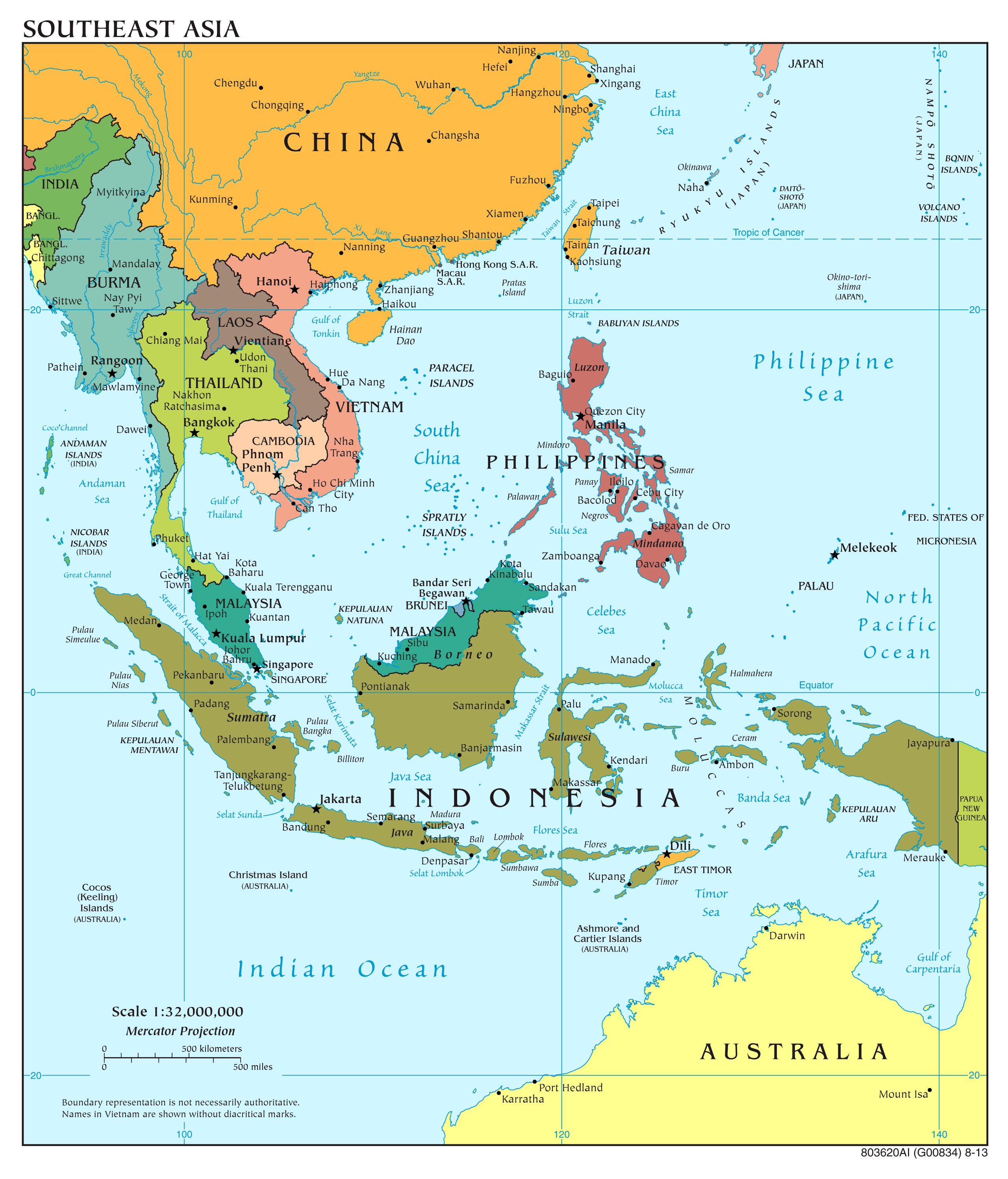
As the legal proceedings continue, stakeholders are looking toward the next scheduled hearings to determine the specific nature of the charges and the evidence presented by the prosecution. The case is being closely monitored by both legal experts and the general public, as it involves the intersection of immigration policy and institutional oversight. The government has yet to issue a final statement on the timeline for the trial, but observers expect further updates as investigators conclude their review of the seized evidence.
Readers interested in following this story as it develops should consult official press releases from the Indonesian government and updates from the judiciary. We will continue to provide reporting on this case as new, verified information becomes available. We encourage our readers to join the conversation in the comments section below regarding the broader implications of these anti-corruption efforts in Southeast Asia.
Worth a look