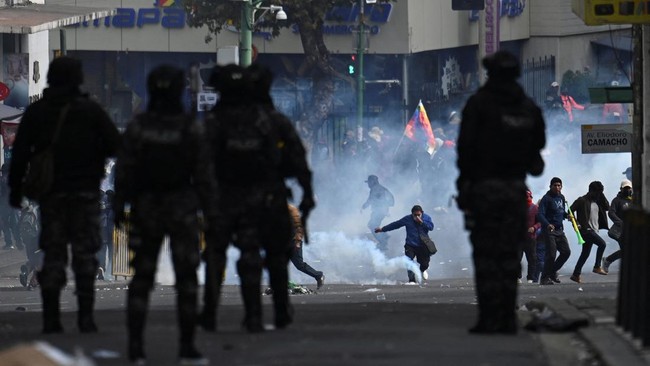
Bolivia is currently navigating a period of significant domestic unrest as protests intensify across the country, prompting discussions regarding the role of state security forces. The nation, a landlocked state in central South America, is governed under a unitary presidential republic with its administrative center located in La Paz and its constitutional capital in Sucre, according to Britannica’s records on the country’s history and geography.
As of June 2026, the political landscape remains fluid. The country’s governance structure is defined by its 2009 constitution, which established the current framework for the Plurinational Legislative Assembly and the executive branch, as noted in official data regarding Bolivia’s statehood. Recent developments have seen heightened tension between the administration and various segments of the population, leading to public demonstrations and calls for dialogue to address the underlying grievances fueling the instability.
Understanding the Current Political Context
The recent challenges facing the Bolivian government occur against a backdrop of complex social and economic conditions. As a constitutional democracy, Bolivia has historically experienced various shifts in its political trajectory, ranging from periods of military rule in the mid-20th century to the transition toward civilian governance that began in the 1980s. Detailed historical accounts from Britannica highlight that the country’s modern political identity is deeply linked to these formative eras, including the post-1952 regimes and the subsequent restoration of democratic processes.
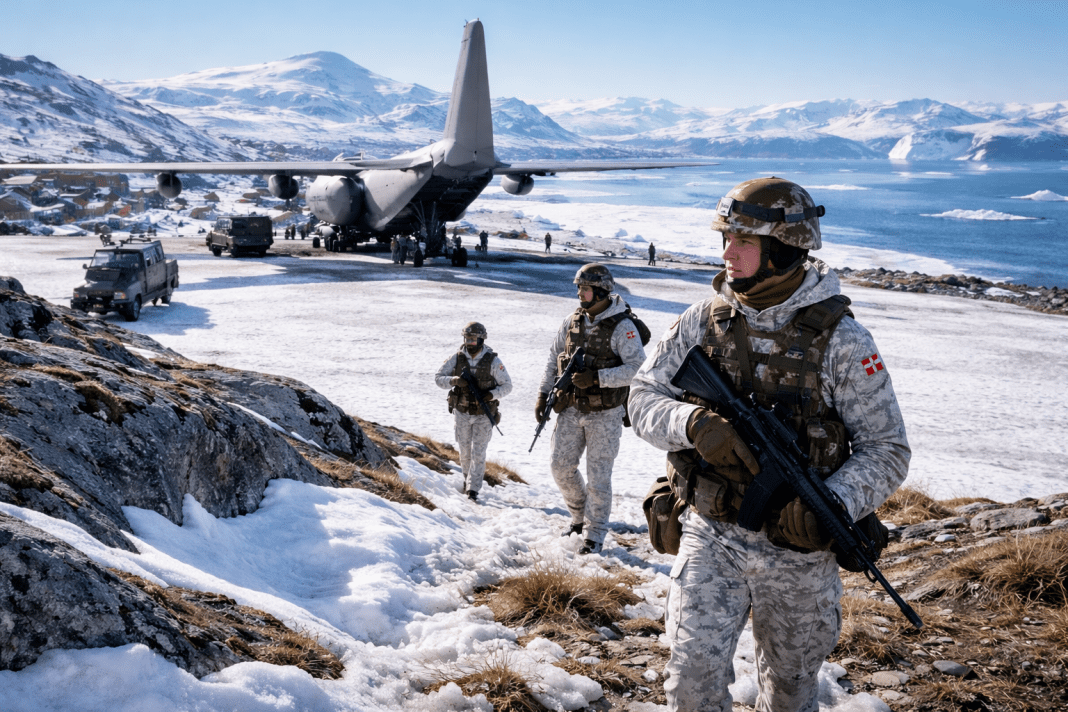
For observers tracking the situation, it is important to distinguish between the administrative and constitutional functions of the state. While Sucre remains the constitutional capital—serving as the seat of the Supreme Court—La Paz functions as the primary administrative center where the executive and legislative branches carry out their daily operations. This geographic separation of powers is a long-standing feature of the Bolivian state, as documented in verified country profiles.
Social Stability and the Role of Institutional Dialogue
The current unrest has drawn the attention of various domestic and international stakeholders. In periods of social friction, the role of institutions—including religious and civil society organizations—often becomes critical in facilitating communication between the government and protesters. Historically, such mediation has been a common feature in attempts to de-escalate tensions and return to a stable governing environment.
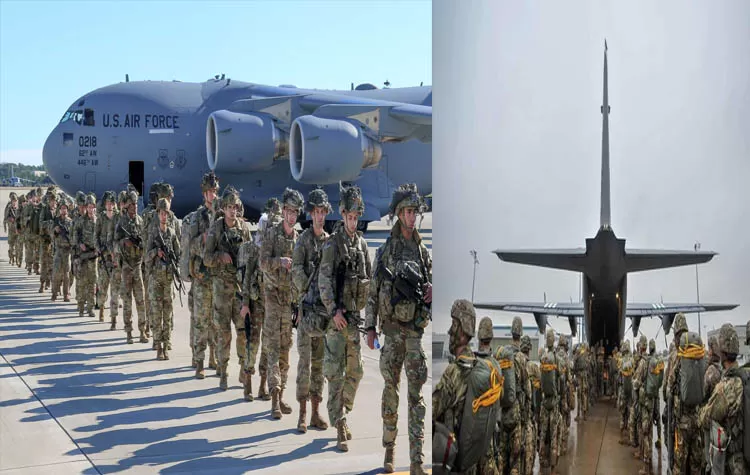
While the situation remains volatile, the primary objective for many in the country is the restoration of order and the commencement of a constructive dialogue. Observers often look to the history of the “Cochabamba water war” and other 21st-century social movements as precedents for how Bolivia manages internal crises and public dissent, according to historical summaries of the nation’s recent development.
Looking Ahead: What to Monitor
For those following these developments, the focus remains on official government statements and updates from the Plurinational Legislative Assembly. As the situation evolves, international observers will be monitoring whether the government moves toward a negotiated settlement or if further state-level interventions are authorized. Readers are encouraged to seek updates from official government portals and verified news outlets to track potential shifts in policy or the initiation of formal mediation efforts.
The path forward for Bolivia will likely be defined by the ability of its political leaders to address the concerns of a diverse population while maintaining the stability of its democratic institutions. We will continue to provide updates as credible information becomes available from official sources. Please share your thoughts or observations in the comments section below as we monitor this developing situation.