
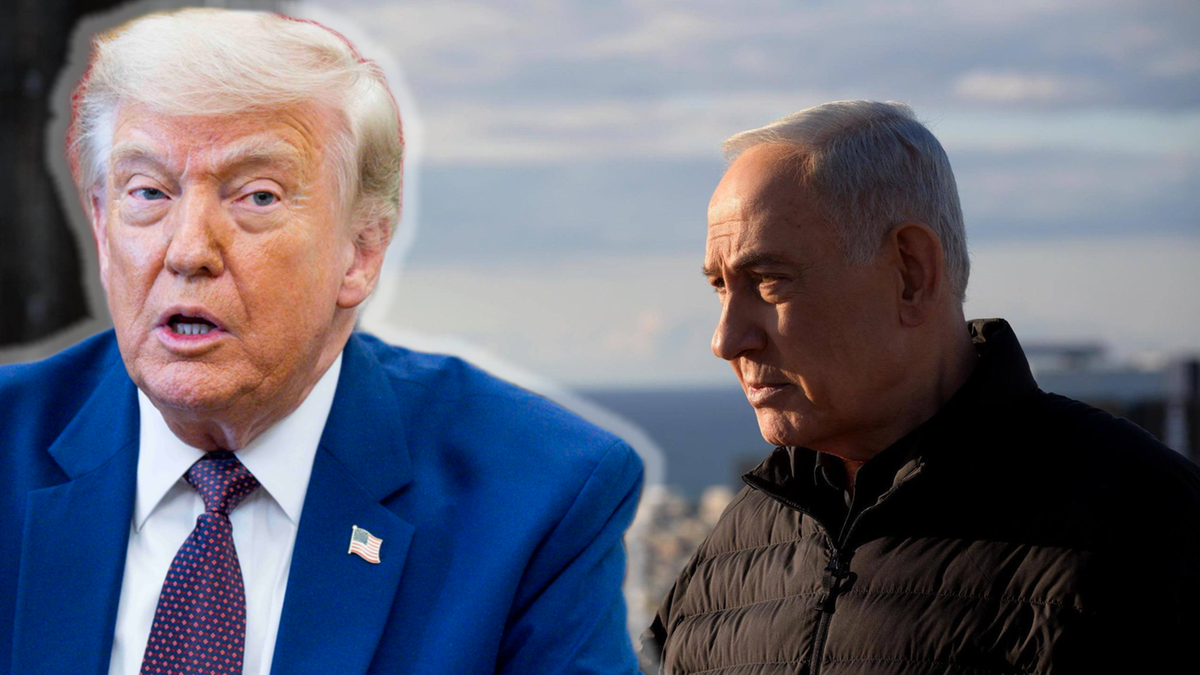
Recent reports regarding a diplomatic exchange between U.S. President Donald Trump and Israeli Prime Minister Benjamin Netanyahu have surfaced, highlighting a period of increased tension between the two leaders. The discourse centers on the strategic direction of Israel’s military operations and the potential for shifts in long-standing political alliances, specifically regarding the pressure exerted on the Israeli government as it navigates regional security challenges.
As the 47th President of the United States, Donald Trump has maintained a complex relationship with the Israeli administration, defined by both public support and moments of private friction. The recent accounts suggest that in a series of communications, the President emphasized the precarious nature of international backing, warning that Israel’s current path could lead to isolation on the global stage. This interaction underscores the evolving dynamics between Washington and Jerusalem as both nations adjust to shifting geopolitical realities.
The Strategic Landscape of U.S.-Israel Relations
The relationship between the United States and Israel remains a cornerstone of American foreign policy, yet it is currently undergoing a period of recalibration. Throughout his tenure, President Trump has emphasized a “peace through strength” doctrine, which has often included strong public alignment with Prime Minister Netanyahu. However, internal discussions regarding the duration and scope of military engagements appear to have introduced a new layer of complexity to these bilateral ties.
According to official records, the U.S. executive branch continues to monitor the security situation in the Middle East closely, with the National Security Council providing regular updates on regional stability and defense cooperation. The administration’s approach often balances domestic political considerations with the strategic necessity of maintaining a stable partner in the region, a task that has become increasingly scrutinized by international observers following recent escalations.
Diplomatic Friction and Political Consequences
The reported tension between the two leaders reflects broader disagreements regarding the endgame for regional conflicts. While the U.S. administration has reaffirmed its commitment to Israel’s right to self-defense, there is a visible internal debate regarding the long-term sustainability of the current military strategy. Observers note that the language used in these private diplomatic channels—often described as candid or “heated”—is reflective of the high stakes involved for both administrations.
For Prime Minister Netanyahu, the challenge remains balancing the domestic requirements of his coalition government with the international pressure to mitigate civilian impact and define a clear exit strategy. The President’s reported warnings about the risk of being “left alone” speak to a broader concern that without a clear, internationally acceptable framework, Israel could find itself increasingly isolated in multilateral forums, such as the United Nations or during negotiations with regional neighbors.
What Happens Next?
The diplomatic trajectory between Washington and Jerusalem remains subject to change as both sides navigate upcoming legislative sessions and regional summits. Official statements from the White House typically emphasize the “enduring and ironclad” nature of the U.S.-Israel relationship, even as analysts point to tactical disagreements. The next critical checkpoint for these discussions will likely occur during high-level meetings between senior cabinet officials in the coming weeks, where the focus is expected to shift toward humanitarian aid delivery and post-conflict governance structures.
The administration has not provided a specific timeline for a change in policy, but diplomatic observers expect the U.S. to continue advocating for a more sustainable approach to regional security. As the situation unfolds, updates will be provided through official White House briefings and the Department of State’s daily press guidance. We encourage our readers to share their perspectives on these developments in the comments section below.