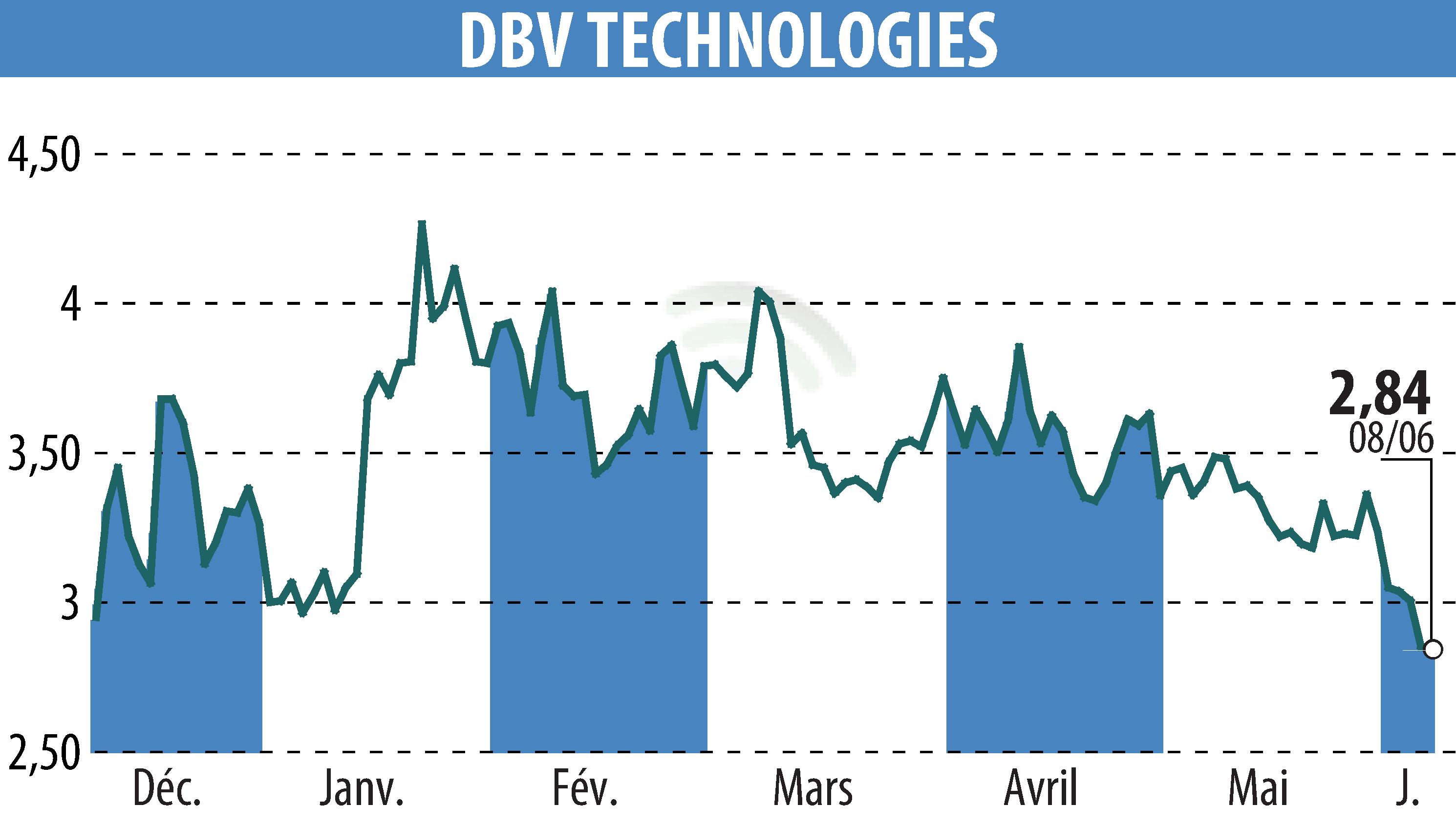
DBV Technologies, a clinical-stage biopharmaceutical company, is currently advancing a pipeline of investigational treatments for food allergies, centered on its proprietary epicutaneous immunotherapy (EPIT) technology. The firm, which was established by pediatricians, focuses on the development of the VIASKIN® patch, a device designed to re-educate the immune system by delivering minimal amounts of antigen through the skin. As of June 2026, the company continues to progress through multiple clinical trial stages to address unmet needs in patients with peanut and cow’s milk allergies.
The core of the company’s research program relies on the VIASKIN® platform, which aims to mitigate the risk of severe or fatal allergic reactions, including anaphylaxis. By introducing low doses of protein to the skin, the therapy seeks to desensitize individuals who suffer from food allergies. According to official company disclosures, the development program is categorized by age groups and specific indications, with several candidates currently undergoing evaluation in clinical settings.
Development Pipeline and Clinical Trials
DBV Technologies is actively managing a diverse research portfolio. The VIASKIN® peanut patch, identified as DBV712, represents a significant portion of the company’s current clinical efforts. The program for this patch includes a completed Phase 3 clinical trial, known as EPITOPE, which focused on children between the ages of 1 and 3. Additionally, the company is conducting the VITESSE Phase 3 clinical trial, which evaluates the safety and efficacy of the DBV712 patch specifically in children aged 4 to 7. Detailed information regarding the current status of these trials can be found through the official DBV Technologies program portal.
Beyond peanut allergies, the company is exploring applications for its technology in treating cow’s milk allergies. The VIASKIN® milk patch, or DBV135, has completed a Phase 1/2 trial to examine its safety and efficacy in pediatric and adolescent patients. Furthermore, the company has investigated the use of the VIASKIN® milk patch for cow’s milk-induced Eosinophilic Esophagitis (EoE), having completed a Phase 2a study sponsored by the Children’s Hospital of Philadelphia (CHOP). These development stages are part of a broader commitment to exploring potential new classes of immunotherapy for immunological diseases.
The Science of Epicutaneous Immunotherapy
The mechanism behind the VIASKIN® patch differs from traditional forms of allergy treatment by utilizing the skin’s immune-active cells. Because the patch is designed to deliver minimal amounts of antigen without systemic absorption, it is intended to provide a controlled environment for immune system re-education. This approach is intended to reduce the sensitivity of patients who experience severe reactions to common allergens like peanuts and cow’s milk.
For patients and caregivers, understanding these developments requires tracking updates from regulatory bodies and the company’s own clinical trial registries. While the research is ongoing, the company emphasizes that its primary goal remains the safety and long-term desensitization of patients diagnosed with these conditions. As of June 2026, the company continues to maintain a comprehensive clinical research program, with updates provided through their corporate website and investor relations channels.
What Happens Next
The progress of the VITESSE Phase 3 trial remains a key focal point for the company’s development trajectory. As the study continues to collect data on how the DBV712 patch compares to a placebo in children aged 4 to 7, stakeholders look toward future data readouts and regulatory filings. The company has indicated that its pipeline extends into other potential areas, including vaccines and autoimmune disorders, though these remain in earlier stages of development.
Readers interested in the latest clinical developments are encouraged to consult official filings and clinical trial databases, such as ClinicalTrials.gov, for the most recent updates on study enrollment and participant outcomes. We will continue to monitor official disclosures from DBV Technologies as they progress through their clinical programs. Please share your thoughts or questions in the comments section below.