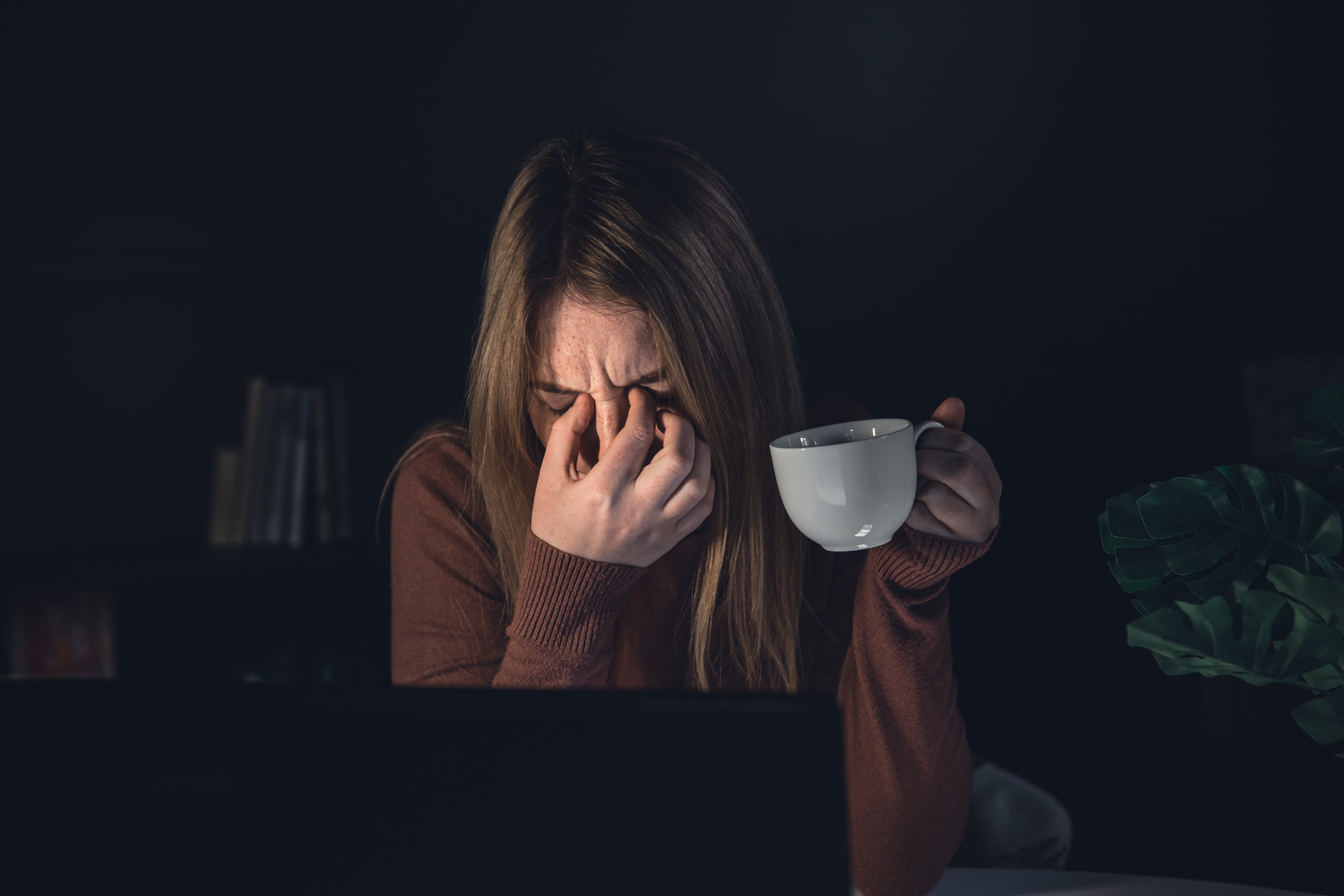
Understanding the relationship between sleep hygiene and caffeine intake is essential for maintaining consistent rest and overall physiological health. The primary risk factor for disrupted sleep cycles is the persistence of stimulants within the bloodstream, which can delay sleep onset and alter the quality of restorative rest. By timing the final intake of caffeine strategically, individuals can better support their body’s natural circadian rhythms.
The Physiological Impact of Stimulants on Rest
Stimulants, by definition, are substances that increase activity in the central nervous system, enhancing alertness and cognitive function. According to the Drug Enforcement Administration (DEA), these substances range from widely consumed items like caffeine and tobacco to controlled prescription medications. When ingested, these compounds act to increase synaptic concentrations of neurotransmitters such as dopamine and norepinephrine, or by blocking agents that naturally promote sleep, such as adenosine.
Because these substances are designed to increase arousal, they directly oppose the biological processes required for sleep. When a stimulant remains active in the bloodstream, it can lead to significant sleep architecture disturbances, including insomnia and a reduction in the time spent in deep, restorative sleep stages. The cycle of using stimulants to combat daytime fatigue often creates a feedback loop where poor sleep necessitates further stimulant use the following day.
Establishing Effective Caffeine Cut-off Times
The metabolism of caffeine varies between individuals, but the substance generally has a half-life of several hours. This means that a significant portion of the stimulant remains active in the system long after the final cup is consumed. Experts in addiction treatment and sleep health emphasize that creating a consistent sleep-conducive environment is vital for those looking to regain restful nights, which includes managing the timing of intake to ensure the body has sufficient time to process the substance before bedtime.
To improve sleep hygiene, many health professionals suggest avoiding caffeine in the late afternoon and evening. By limiting intake earlier in the day, individuals allow their sympathetic nervous system to wind down naturally, facilitating a smoother transition into sleep. This practice is a fundamental component of behavioral strategies aimed at mitigating the effects of stimulant-induced sleep disruptions.
Strategies for Recovery and Sleep Optimization
For those struggling with sleep patterns affected by stimulant use, recovery requires a holistic approach. Beyond simply adjusting the timing of caffeine, evidence-based strategies include the implementation of consistent sleep schedules and the use of therapeutic techniques such as cognitive-behavioral therapy (CBT). According to clinical insights on stimulant abuse and sleep recovery, nutrition and mindfulness practices also play a supportive role in restoring natural sleep-wake cycles.

It is important to recognize that while some stimulants are legal and socially accepted, they remain pharmacologically active agents that impact the body’s reward system and emotional regulation. If you are experiencing chronic sleep disturbances, consulting with a healthcare professional is the most reliable way to address the underlying causes and develop a personalized recovery plan.
As we continue to monitor developments in public health and sleep science, readers are encouraged to prioritize consistency in their daily habits. For further guidance on maintaining healthy sleep patterns, you can consult resources provided by national health authorities or speak with your primary care physician. We invite you to share your experiences or questions in the comments section below as we continue this important discussion on health and wellness.
Worth a look
- Why Resistance Training Is the ‘Fountain of Youth’ for Healthy Aging
- AI-Generated Synthetic Viruses Created From Scratch to Fight Superbugs
- Dawn of War 4 Release Date Delayed: What to Expect from the Refining Process – Warhammer 40k Strategy Game Update” “Dawn of War 4 Launch Delayed: How the Game’s Delay Will Affect Fans – Warhammer 40k Strategy Game News” “Warhammer 40k Strategy Game Dawn of War 4 Delayed to Refine Experience Ahead of Release – Gaming News Update” “Dawn of War 4 Delayed: What the Delay Means for the Upcoming Warhammer 40k Game – Strategy Game Release News (archyworldys.com)