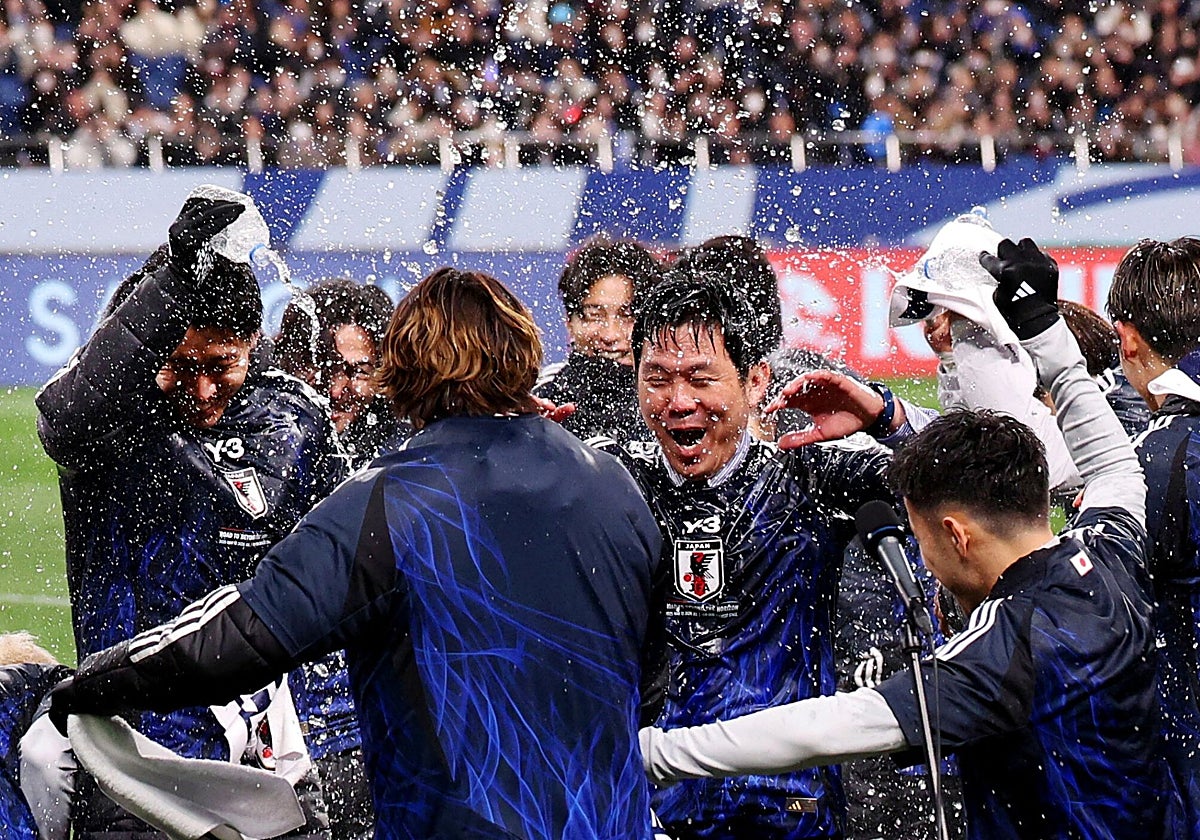
Japan’s national football team is currently executing a long-term strategic evolution aimed at securing a World Cup title, a goal supported by consistent tactical refinement under head coach Hajime Moriyasu. By blending disciplined defensive structures with a rapidly maturing pool of talent playing in top European leagues, the Japan Football Association (JFA) has moved beyond regional dominance to challenge footballing giants on the global stage. This shift in momentum is underpinned by a rigorous developmental roadmap that prioritizes technical proficiency and high-intensity pressing, effectively closing the gap between the Samurai Blue and the world’s elite squads, according to data from FIFA’s official world rankings.
The ambition to win the World Cup is not merely aspirational but is part of the JFA’s “Japan’s Way” philosophy, a comprehensive development plan established to elevate the national team’s competitive standing. This strategy focuses on increasing the number of Japanese players competing in high-level European leagues, such as the English Premier League, the German Bundesliga, and the Belgian Pro League, ensuring that the squad gains experience against the highest caliber of opposition. As of recent international windows, a significant majority of the national team roster is based outside of Japan, providing the tactical flexibility required to compete in diverse footballing environments, as reported by Reuters.
Strategic Evolution Under Hajime Moriyasu
Hajime Moriyasu has become the longest-serving manager in the history of the Japan national team, a tenure that has allowed for the implementation of a coherent, multi-year tactical project. Since taking the helm in 2018, Moriyasu has navigated the transition from a veteran-heavy squad to a younger, more dynamic generation. His approach emphasizes versatility, often shifting between defensive formations that allow Japan to absorb pressure and launch lethal counter-attacks—a hallmark of their recent successes against powerhouse nations. This methodical growth was notably visible during the 2022 World Cup in Qatar, where Japan secured historic victories over both Germany and Spain, as verified by BBC Sport.
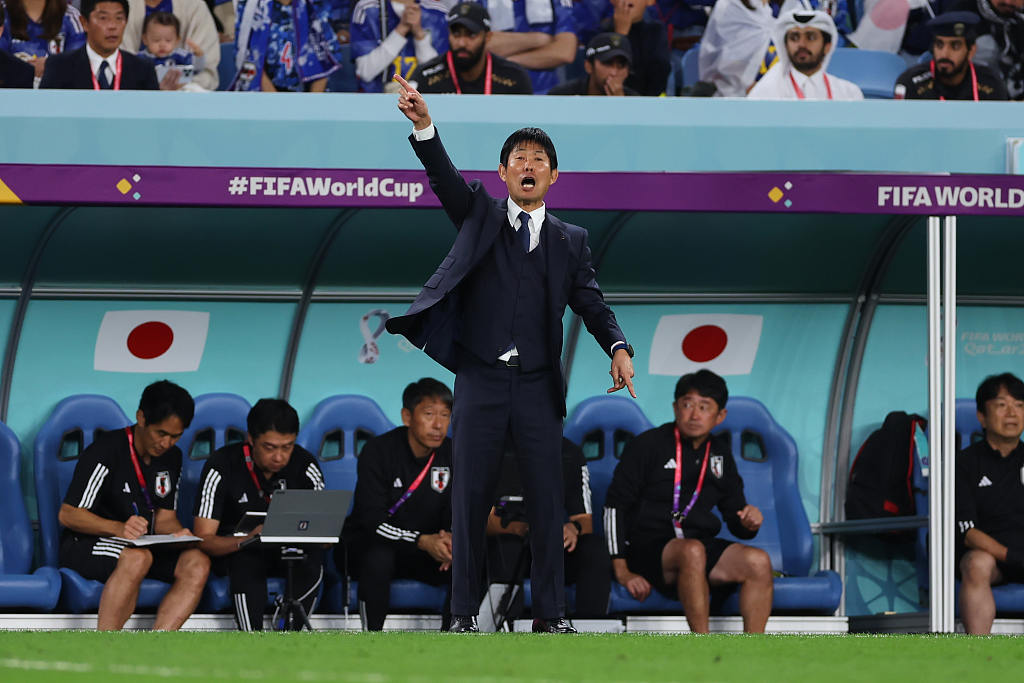

The consistency of the coaching staff has been a primary driver of this growth. By maintaining stability in the technical department, the JFA has fostered a culture of continuous improvement, allowing the players to internalize complex tactical instructions over successive training camps. This continuity is a departure from previous eras where frequent managerial changes often hindered long-term progress. The current squad’s ability to adapt mid-match reflects the depth of this preparation, a factor that analysts point to as a critical component of their rising status in the Asian Football Confederation (AFC) qualifying rounds.
Building a Pipeline of Global Talent
The success of the national team is inextricably linked to the success of the J-League and the subsequent export of talent to Europe. The JFA has invested heavily in youth academies and coaching education, creating a sustainable pipeline of players equipped with the technical fundamentals necessary for European football. This export model is not just about quantity; it is about placing players in systems that demand tactical awareness and physical resilience. The success of players like Wataru Endo, Kaoru Mitoma, and Takefusa Kubo in major leagues has provided the national team with a core group of leaders capable of performing under the intense pressure of a World Cup tournament, according to reports from The Japan Times.
This demographic shift in the roster has had a tangible impact on the team’s playing style. With more players exposed to the physical demands of European football, Japan has evolved into a team that can sustain high-intensity pressing for 90 minutes. This physical evolution allows them to compete with teams that traditionally relied on superior athleticism to dominate matches. The integration of domestic and international players is carefully managed by Moriyasu to ensure that team cohesion remains high despite the geographic dispersion of the squad members.
What Happens Next on the Road to 2026
The immediate objective for the Samurai Blue is the successful navigation of the ongoing AFC qualification process for the 2026 World Cup. The expanded format of the tournament, which will feature 48 teams, provides Japan with a greater opportunity to test their depth and refine their squad rotation. The coaching staff is expected to continue utilizing international friendly windows to trial new tactical variations and integrate emerging talent from the U-23 setup. Official updates regarding squad selections and upcoming match schedules are published regularly by the Japan Football Association.
As the team prepares for the next phase of international competition, the focus will remain on maintaining defensive solidity while increasing offensive efficiency. Fans and analysts alike will be watching to see if Japan can bridge the final gap between being a “giant-killer” and a consistent contender for the trophy. With a clear roadmap, a stable leadership structure, and a growing presence in the world’s most competitive leagues, the ambition to claim a World Cup title is becoming a tangible, albeit difficult, long-term reality. We invite readers to share their thoughts on Japan’s tactical trajectory in the comments below.
Worth a look