
Honda Motor Co. is navigating a complex transition to electric vehicles while managing internal pressure to maintain its profitability in traditional internal combustion engine markets. Recent reports of internal friction among the company’s leadership regarding the pace of this pivot highlight the broader challenges facing legacy automakers as they balance the capital-intensive development of battery-electric vehicle (BEV) lineups with the ongoing necessity of funding operations through gasoline-powered sales. According to the company’s fiscal 2024 financial results, Honda is investing heavily in electrification, aiming for 100% of its global vehicle sales to be battery-electric or fuel-cell electric by 2040, a target that has required significant reallocation of research and development budgets as detailed in their official annual report.
The tension within the executive ranks reflects a common dilemma in the automotive sector: how to sustain the “old guard” business model—which relies on high-margin internal combustion engines—while simultaneously pouring billions into a future where the profit margins on electric vehicles remain uncertain. While some stakeholders have pushed for a more aggressive timeline, current leadership under CEO Toshihiro Mibe has maintained a strategy of gradual electrification to ensure the company remains financially stable during the transition. This approach aligns with broader industry trends where manufacturers, such as Toyota and Ford, are likewise recalibrating their EV rollout schedules in response to fluctuating consumer demand and rising infrastructure costs, as noted by Reuters.
Balancing Legacy Profits and Future Investment
The financial pressure on Honda is significant. Developing a competitive EV architecture requires massive upfront capital expenditure, often referred to as “Capex” in financial disclosures. Honda’s strategy involves leveraging its existing manufacturing footprint to produce hybrids as a bridge technology, which provides the cash flow necessary to fund pure-electric development. This dual-track strategy is central to their current mid-term business plan. As reported by the Financial Times, the automotive industry as a whole is grappling with the high costs of battery production and the need to scale supply chains, which continues to impact quarterly earnings reports across the board.
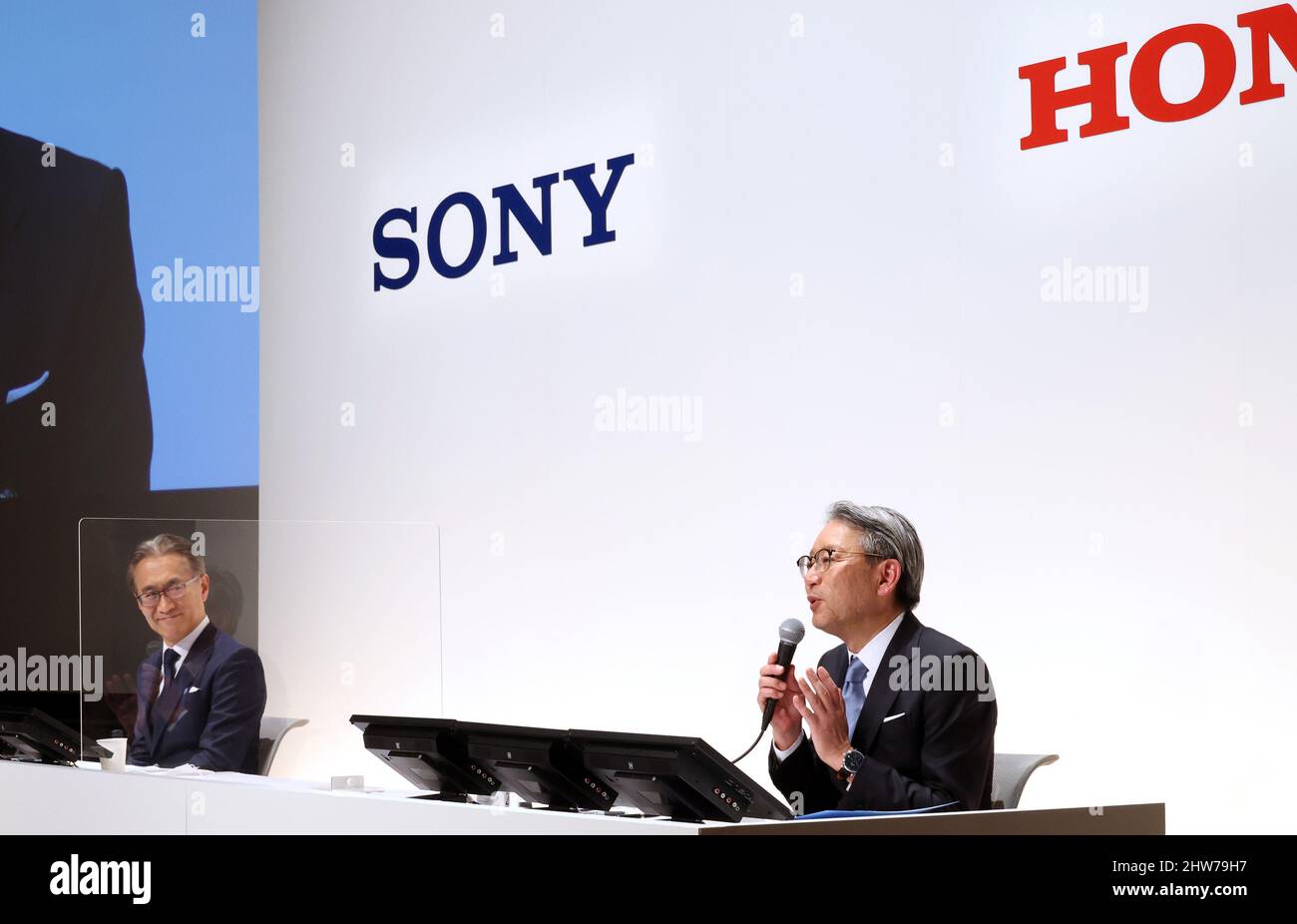
For investors, the primary concern remains the potential for margin compression. When a company shifts from established, highly profitable internal combustion platforms to new, expensive EV platforms, the initial return on investment is often lower. Honda’s leadership has emphasized that their electrification roadmap is designed to protect shareholders from excessive volatility. By maintaining a mix of hybrid and electric vehicles, the company aims to mitigate the risk of a slow adoption rate among consumers in key markets like North America and Southeast Asia, where internal combustion engines remain dominant, according to data provided in Honda’s quarterly investor presentations.
Leadership and Internal Strategy
The stability of Honda’s leadership is essential to executing this long-term vision. Toshihiro Mibe, who assumed the CEO role in 2021, has been the primary architect of the company’s “Triple Action to ZERO” goal, which targets carbon neutrality for all products and corporate activities by 2050. The internal debates regarding the pace of these changes are not unique to Honda; they represent a wider cultural shift within traditional engineering-led firms that have historically prioritized mechanical excellence in gasoline engines. Analysts at Bloomberg have observed that companies successfully managing this transition are those that can effectively pivot their engineering workforce toward software and battery chemistry without losing the core manufacturing discipline that built their brand reputation.


Despite reports of internal dissent, there has been no formal move to replace the current executive team. In corporate governance terms, the board of directors retains the authority to oversee strategic shifts, and Honda’s board has largely continued to support the current roadmap. The company’s focus remains on “Honda 0 Series,” a new global EV series scheduled to launch in 2026, which is intended to serve as a cornerstone for their future market positioning. The development of these vehicles, which will feature new dedicated EV platforms, is a key metric that analysts monitor to gauge the company’s progress against global competitors, as outlined in their recent official press release regarding their vision for the next decade.
The Road Ahead for Global Automakers
The next major checkpoint for Honda will be the release of their next fiscal quarterly earnings, where investors will be looking for updates on EV production capacity and hybrid sales margins. As the company continues to invest in battery plants—including recent partnerships in North America—the focus will shift toward whether these investments can translate into the economies of scale required to make EVs as profitable as their predecessors. For consumers and industry observers, the key indicator of success will be the successful launch of the 0 Series in 2026 and its performance in the competitive Chinese and North American markets.
Stakeholders interested in the company’s financial trajectory can monitor upcoming investor briefings and regulatory filings on the Honda Investor Relations portal. These documents provide the most accurate, verified data regarding the company’s capital allocation and strategic priorities. As the automotive industry continues to evolve, the ability of companies like Honda to effectively navigate the transition from legacy internal combustion businesses to electric-first models will remain a central theme in global economic analysis. We encourage readers to share their thoughts on the pace of the automotive transition in the comments below.
Keep reading