
HSBC’s latest equity research identifies key stock opportunities in emerging Asia, specifically targeting the semiconductor sector and India’s high-growth markets. Analysts suggest that the global artificial intelligence boom and shifting manufacturing supply chains are driving investor interest toward technology leaders in Taiwan and expanding consumer bases in South Asia.
The bank’s research division has signaled a strategic pivot in how investors should approach the region. Rather than focusing solely on traditional Chinese industrial giants, HSBC’s analysts are highlighting a more diversified selection of equities. This shift reflects broader macroeconomic trends, including the rapid advancement of artificial intelligence (AI) infrastructure and the “China Plus One” strategy, where multinational corporations move manufacturing to Southeast Asia and India to mitigate geopolitical risks.
According to recent reports from HSBC Global Research, the emphasis is on companies that serve as the backbone of the global digital economy. This includes major semiconductor manufacturers and financial institutions in markets with strong domestic consumption. The bank’s outlook suggests that while volatility remains a constant in emerging markets, the structural growth in specific Asian corridors offers significant upside for disciplined investors.
Which sectors is HSBC prioritizing in the emerging Asian market?
HSBC’s investment strategy for emerging Asia currently centers on two primary pillars: advanced technology and domestic-driven growth in South Asia. The research highlights a clear distinction between companies that are integrated into the global high-tech supply chain and those that benefit from the rising middle class in developing economies.
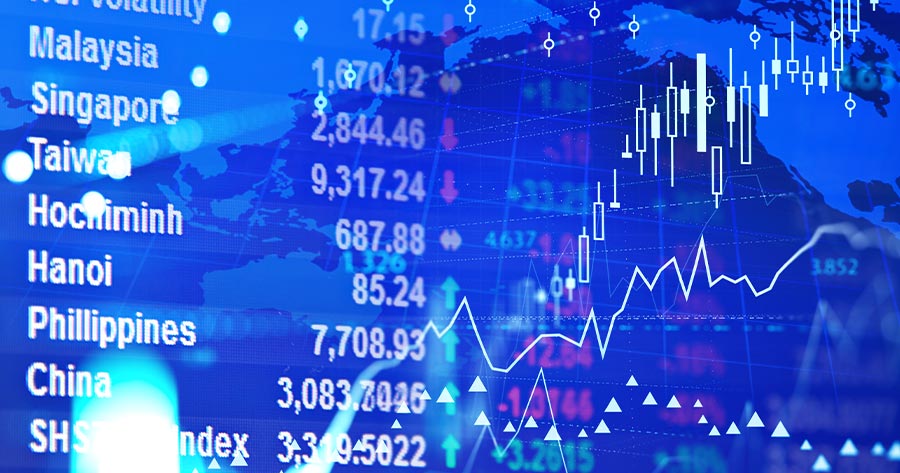
The semiconductor industry remains a dominant theme. As demand for high-performance computing (HPC) continues to rise, driven by the integration of AI into data centers and consumer electronics, HSBC has identified leading foundries and equipment makers as essential holdings. These companies are positioned to benefit from the capital expenditure cycles of major global tech firms.

In addition to technology, the bank is closely watching the Indian market. Analysts point to India’s demographic advantages and its increasing role in global manufacturing as key drivers for equity performance. The focus here is on sectors such as banking, infrastructure, and consumer discretionary, which are expected to scale alongside the country’s economic expansion.
A comparative look at the drivers for these two sectors illustrates the different risk-reward profiles investors face:
| Sector Focus | Primary Growth Driver | Key Geographic Hubs | Primary Risk Factor |
|---|---|---|---|
| Semiconductors & AI | Global AI infrastructure demand | Taiwan, South Korea | Geopolitical tensions/Export controls |
| Indian Domestic Growth | Rising middle-class consumption | India | Inflation and regulatory shifts |
| Supply Chain Diversification | “China Plus One” manufacturing shifts | Vietnam, Indonesia, Thailand | Infrastructure and labor bottlenecks |
How is the artificial intelligence boom shaping Asian equity picks?
The convergence of artificial intelligence and semiconductor manufacturing has created a concentrated area of opportunity within the Asian markets. HSBC’s analysts have noted that the “AI trade” is no longer limited to software companies in the United States; the physical hardware required to power these systems is largely produced in Asia.
Taiwanese semiconductor firms, in particular, remain central to this narrative. As the primary producers of the world’s most advanced logic chips, these companies act as a bottleneck for global AI progress. HSBC’s research suggests that the continued investment by hyperscale cloud providers into specialized AI chips provides a long-term tailwind for these manufacturers.
However, the bank also cautions that this sector is highly sensitive to geopolitical developments. Trade restrictions and export controls, particularly between the United States and China, can abruptly alter the landscape for semiconductor firms operating in the region. Investors are encouraged to monitor official government mandates regarding high-tech exports, as these can impact the revenue projections of major Asian tech players.
Why is India becoming a central pillar for HSBC’s Asian strategy?
While technology drives the high-growth segment of the portfolio, India is viewed by HSBC as a critical component for long-term, structural growth. The bank’s analysts highlight that India’s economic trajectory is increasingly decoupled from the cyclical volatility seen in other emerging markets, thanks to robust domestic demand.
The growth in India is being fueled by several interconnected factors:
- Infrastructure Development: Massive government spending on transport, energy, and digital connectivity is creating opportunities for industrial and construction-related equities.
- Financial Inclusion: As more citizens enter the formal banking system, large Indian financial institutions are seeing increased deposit bases and loan demand.
- Manufacturing Shifts: The movement of electronics and textile manufacturing from China to India is beginning to show results in industrial output data.
Despite this optimism, HSBC notes that the Indian market is not without its challenges. High valuations in certain sectors can make entry points difficult for new investors, and the bank advises a focus on “quality” companies—those with strong balance sheets and consistent cash flows—to navigate potential market corrections.
What are the primary risks facing emerging Asian investments?
Investing in emerging Asia requires a nuanced understanding of both macroeconomic and geopolitical risks. HSBC’s research emphasizes that while the growth potential is high, the volatility can be significant compared to developed markets.
Geopolitical tension remains the most prominent risk. The ongoing competition for technological supremacy between major powers can lead to sudden shifts in trade policy, affecting companies that rely on cross-border supply chains. For instance, any escalation in maritime security concerns in the South China Sea could impact the flow of goods and the stability of regional markets.
Furthermore, currency volatility and interest rate differentials play a crucial role. As central banks in developed economies, such as the U.S. Federal Reserve, adjust their policies, capital flows can shift rapidly out of emerging markets and back into safer assets. This “flight to quality” can put downward pressure on Asian currencies and local equity markets.
To manage these risks, HSBC suggests that investors look toward companies with diversified revenue streams and those that are less dependent on a single geographic market for their sales.
Key Takeaways for Investors
- Focus on AI Hardware: The semiconductor manufacturing hub in East Asia remains a primary beneficiary of the global AI expansion.
- Diversify into India: Use Indian equities to capture structural growth driven by domestic consumption and infrastructure spending.
- Monitor Geopolitics: Trade policies and regional security issues are critical variables that can impact semiconductor and supply chain stocks.
- Prioritize Quality: In volatile emerging markets, favor companies with strong cash flows and manageable debt levels.
The next major checkpoint for investors will be the upcoming release of regional inflation data and central bank policy statements from major Asian economies, which will provide further clarity on interest rate trajectories and currency stability.
What are your thoughts on the shift toward Indian and semiconductor stocks in Asia? Share your perspective in the comments below and share this article with your network.
Keep reading
- EU Holds Emergency Meeting After Mass Migration Crisis in Ceuta
- Malaria Mosquitoes Now Resistant to All Insecticides: Scientists Race for a Solution
- Moonshot AI Kimi K3 Disrupts US Markets as Tech Firms Adopt Chinese AI Models (archyworldys.com)
- Policy Office Head Kim Yong-beom Reported Over Single-Stock Leverage ETF Directive (archynewsy.com)