
Malaysia is increasingly positioning itself as a vital node in the global artificial intelligence (AI) memory supply chain, moving beyond its historical role as a traditional hub for semiconductor assembly and testing. As the demand for high-bandwidth memory (HBM) and advanced storage solutions grows to support generative AI infrastructure, the nation is leveraging its established ecosystem to attract more complex manufacturing and innovation activities, according to recent industry assessments of the regional semiconductor landscape.
The shift comes as global chipmakers diversify their production footprints to mitigate supply chain risks and meet the surging requirements of the AI sector. For decades, Malaysia has served as a cornerstone of the global electronics value chain, particularly in the back-end processes of outsourced semiconductor assembly and test (OSAT). However, current industry trends indicate that the country is now transitioning toward more sophisticated roles in the global semiconductor supply chain.
Evolving Beyond Assembly and Testing
Industry analysts and corporate stakeholders note that the definition of Malaysia’s contribution to the tech sector is undergoing a fundamental change. While assembly and testing remain central to the country’s output, there is a visible move toward integrating high-value design, advanced packaging, and research and development (R&D) into local operations. This evolution is driven by the need for localized support for AI-ready hardware, which requires high-performance memory chips that are increasingly difficult to produce at scale without a resilient, multi-regional supply network.
The Malaysian government has actively courted this transition through the New Industrial Master Plan (NIMP) 2030, which targets the growth of high-complexity manufacturing sectors. According to the Ministry of Investment, Trade and Industry (MITI), the strategy focuses on attracting high-value-added investments that align with the global transition toward AI and digital infrastructure. By incentivizing the development of local technical talent and infrastructure, Malaysia aims to capture a larger share of the value derived from the burgeoning AI market.
The Role of AI Memory in Regional Growth
Memory technology, specifically the high-speed memory required for AI processors, is a critical bottleneck in the current global supply chain. As companies look to expand capacity, Southeast Asia offers a stable, skilled, and cost-effective alternative to traditional manufacturing hubs. The integration of Malaysia into this specific segment of the supply chain provides a hedge against geopolitical volatility, which has become a primary concern for major memory manufacturers.
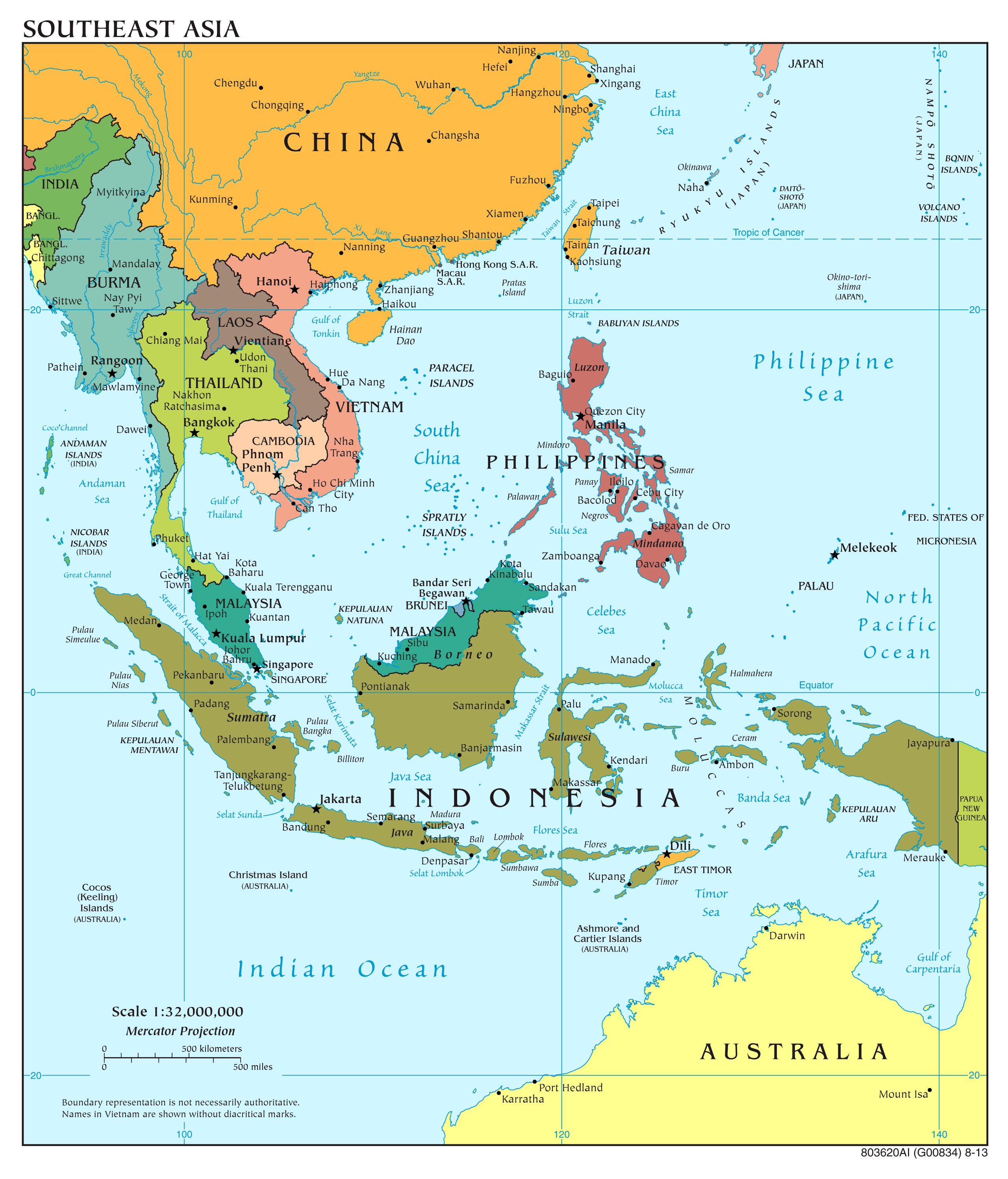
The Semiconductor Industry Association has highlighted that the complexity of modern chip production necessitates a collaborative, globalized approach. In the context of AI, where speed and efficiency are paramount, having a regional hub that can handle the final stages of production—where memory chips are integrated into sophisticated modules—is a significant competitive advantage. Malaysia’s existing infrastructure for semiconductor packaging, which has been refined over several decades, provides the necessary foundation for this higher-tier work.
Challenges and Future Outlook
Despite the optimism surrounding Malaysia’s role, the country faces stiff competition from regional neighbors like Vietnam and Thailand, which are also vying for a larger portion of the semiconductor manufacturing pie. Sustaining this momentum will depend on the nation’s ability to upgrade its workforce skills to handle the demands of AI-era manufacturing. The World Bank has noted that while Malaysia possesses strong manufacturing foundations, transitioning to a high-income, innovation-led economy requires sustained investment in technical education and digital infrastructure to remain attractive to global tech giants.
Looking ahead, the focus for stakeholders will be on maintaining the pace of infrastructure development and policy consistency. As global AI applications continue to proliferate, the stability of the supply chain will remain a top priority for developers of large language models and other AI-driven technologies. Whether Malaysia can cement its status as a permanent fixture in the AI memory ecosystem will likely depend on the success of these ongoing efforts to move up the value chain.
For those tracking the industry, upcoming updates from the Malaysian Investment Development Authority (MIDA) regarding new foreign direct investment projects will be a key indicator of the country’s progress. Industry observers are encouraged to monitor future quarterly reports from major semiconductor firms operating in the region for insights into how these global strategies are manifesting on the ground. We invite you to share your thoughts on the shifting landscape of the semiconductor industry in the comments section below.
Keep reading