
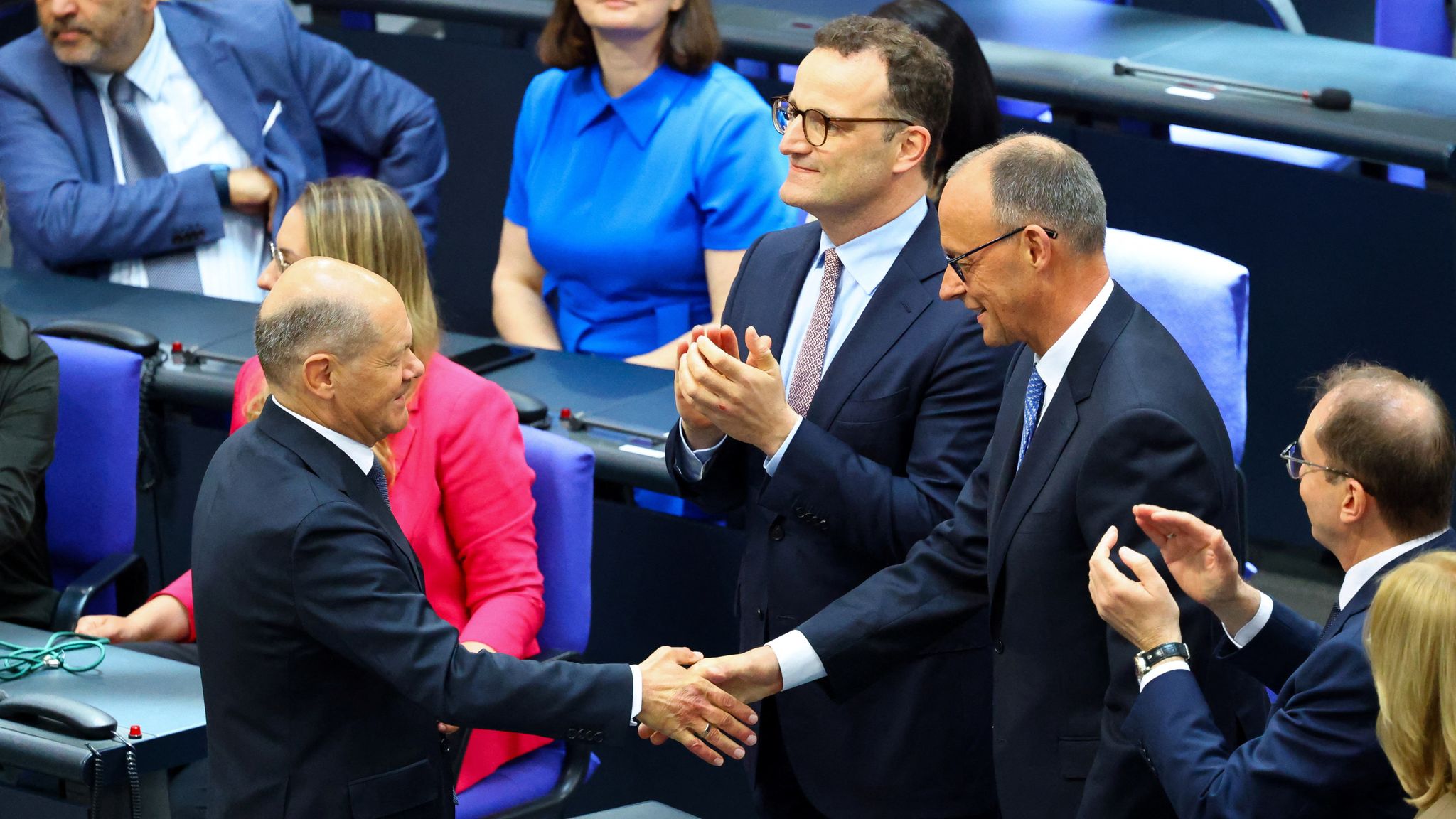
Friedrich Merz, the leader of the Christian Democratic Union (CDU), has publicly declared that his patience with the Social Democratic Party (SPD) is exhausted, signaling a significant escalation in tensions within the German political landscape. This hardening of rhetoric from the leader of the opposition comes amid ongoing disputes regarding economic policy and infrastructure investment, highlighting the widening chasm between the two major political forces in the Bundestag. The statement marks a notable shift in the tone of parliamentary discourse as Germany navigates a period of stagnant economic growth and complex budgetary negotiations.
The core of the conflict rests on the stalled implementation of key infrastructure projects and the overarching strategy for national economic recovery. According to reports from the Handelsblatt, the gridlock has left third-party stakeholders, including private sector investors and regional municipal authorities, in a state of uncertainty, as the inability of the government to reach a consensus on funding mechanisms continues to delay critical modernization efforts. The political friction, often characterized by public disagreements between the governing SPD and the opposition CDU, has become a central point of concern for industry leaders seeking policy stability.
Political Tensions and the Limits of Bipartisan Cooperation
Friedrich Merz’s remarks, which have been widely covered across German media, underscore a growing frustration with the current governing coalition’s approach to legislative compromise. By stating that his patience is at an end, Merz has effectively moved to increase the pressure on Chancellor Olaf Scholz’s administration. This strategic pivot is seen by political analysts as an attempt to consolidate the CDU’s position as the primary alternative to the current government, particularly as the coalition grapples with low approval ratings and internal divisions regarding the federal budget.
The friction is not merely rhetorical; it has tangible consequences for the legislative process. When the primary opposition party withdraws its willingness to negotiate, the path to passing essential reforms—particularly those requiring a two-thirds majority in the Bundesrat—becomes significantly more difficult. The German Bundestag remains the primary venue for these debates, yet the current climate suggests that the prospects for meaningful cross-party cooperation on fiscal policy are increasingly slim.
Infrastructure Investment and Economic Stagnation
A primary driver of the current political impasse is the debate over how to finance infrastructure development without violating the constitutional debt brake, or Schuldenbremse. The German Federal Ministry of Finance notes that the debt brake remains a cornerstone of the country’s fiscal policy, limiting the structural deficit to 0.35% of gross domestic product. Critics of the current government, including figures within the CDU, argue that this rigid adherence to fiscal rules is preventing necessary investments in digital infrastructure, energy grids, and transportation networks.
The impact of this stalemate is felt most acutely by the German industrial sector. Projects that require long-term planning and predictable funding are currently in limbo. According to data provided by the German Institute for Economic Research (DIW Berlin), persistent underinvestment in public infrastructure is a contributing factor to the country’s current economic fragility. Without a clear resolution to the dispute between the SPD and the CDU, experts suggest that the “investment backlog” will continue to grow, potentially stifling long-term productivity gains.
What Happens Next in the Bundestag
As the political rhetoric intensifies, the focus shifts to upcoming parliamentary sessions where the government must defend its budgetary framework. The next major checkpoint will be the federal budget debates, where the CDU is expected to challenge the coalition’s spending priorities more aggressively than in previous sessions. Observers will be watching to see if the SPD attempts to reach out to other coalition partners or if they seek a direct confrontation with the opposition to define the terms of the next general election cycle.
For the public and business stakeholders, the immediate future is characterized by a “wait-and-see” approach. Official updates regarding legislative schedules and committee hearings are available through the official portal of the German Bundestag. As the political maneuvering continues, the ability of the government to maintain a stable environment for investment remains the central test of Chancellor Scholz’s leadership. We invite our readers to share their views on this development in the comments section below.
Related reading