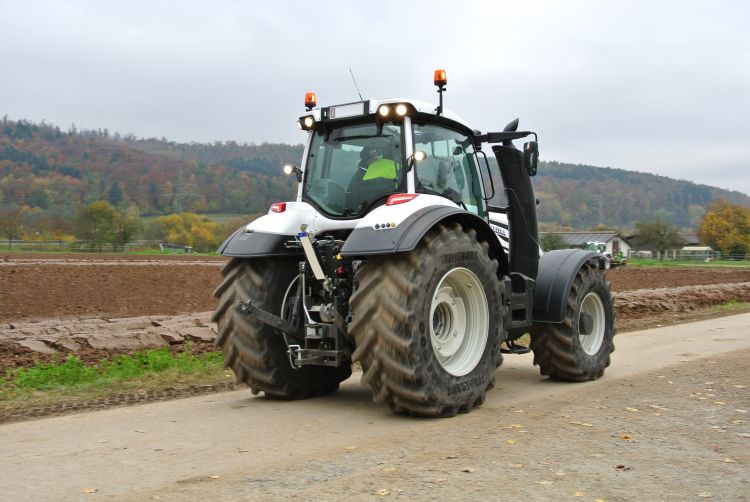
The lead of an agricultural tractor, specifically the rotational speed synchronization between the front and rear axles, is a critical factor in mechanical efficiency and soil preservation. Known in technical circles as front axle lead, this phenomenon occurs when the front wheels rotate slightly faster than the rear wheels, a design choice intended to improve steering response and compensate for tire slip under load. According to engineering standards set by major manufacturers like John Deere, maintaining this lead within a precise range—typically between 1% and 5%—is essential to prevent mechanical drivetrain strain and unnecessary soil compaction.
When the lead falls outside of these manufacturer-specified parameters, the consequences can be significant for both the machinery and the operational environment. If the front wheels rotate too slowly compared to the rear, the tractor experiences a “braking effect,” leading to increased fuel consumption and accelerated wear on transmission components. Conversely, excessive lead causes the front tires to “scrub” against the soil surface, resulting in increased rolling resistance and damage to the topsoil structure, which can negatively impact crop yields over time, as noted in guidelines provided by the Food and Agriculture Organization (FAO) regarding sustainable agricultural mechanization.
Understanding the Mechanics of Wheel Synchronization
The engineering behind front axle lead is rooted in the physics of four-wheel drive (4WD) systems. In a standard agricultural tractor, the rear wheels are usually larger and provide the primary traction, while the front wheels—smaller and equipped with a steering mechanism—assist in pulling the implement. The intentional speed differential is designed to ensure the front wheels “pull” the tractor through the field rather than being pushed by the rear, which would lead to instability.
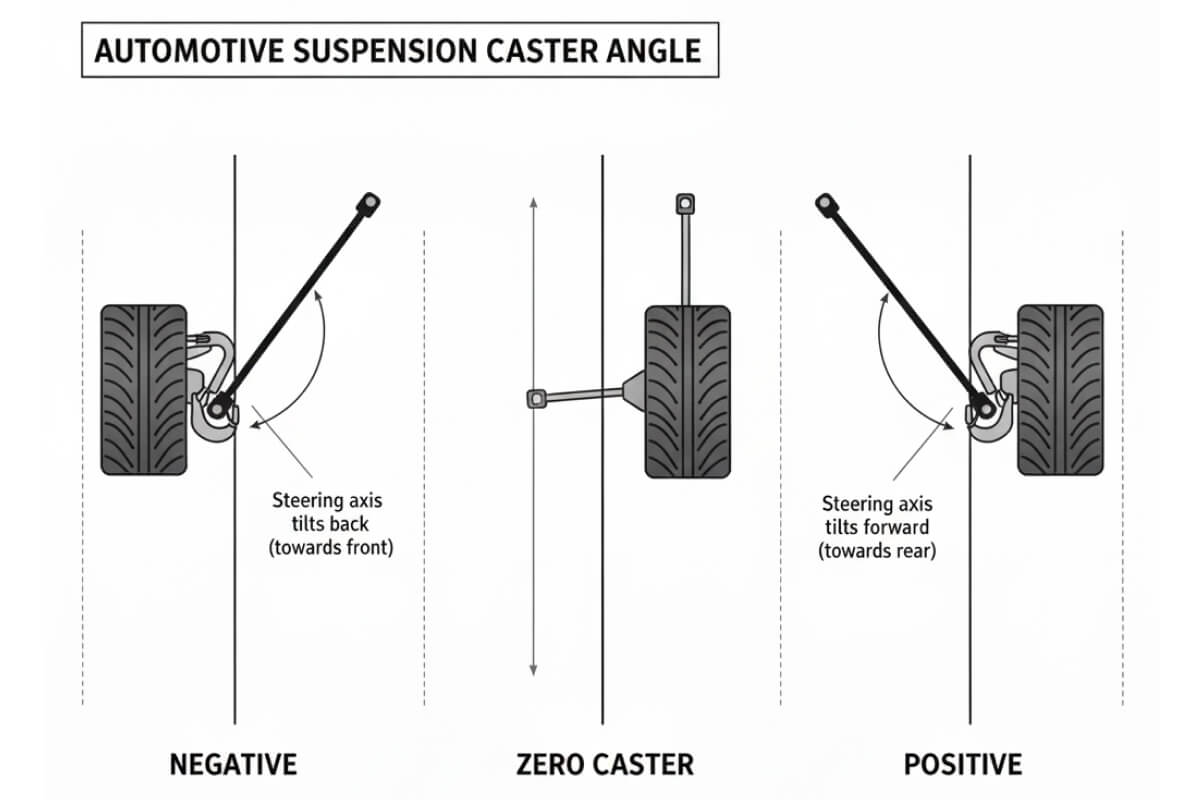
Engineers calculate this ratio by comparing the theoretical ground speed of the front axle against the rear. If a tractor is fitted with mismatched tire sizes—such as replacing worn-out tires with ones that have a different rolling circumference—the lead percentage changes immediately. As reported by Trelleborg Wheel Systems, even a minor change in tire pressure or tread depth can shift the lead ratio, potentially moving it outside the safe operating window defined by the original equipment manufacturer (OEM).
The Impact on Soil and Operational Costs
Soil compaction is perhaps the most significant environmental impact of improper axle synchronization. When the front axle lead is too high, the front tires slip excessively, shearing the soil surface and disrupting the pore structure required for water infiltration and root growth. This is particularly problematic in heavy clay soils where moisture management is vital.

From a business perspective, the financial implications are equally clear. Increased tire slip leads to higher fuel usage per hectare and faster tread wear. Research published by the United States Department of Agriculture (USDA) emphasizes that optimizing machinery settings is a primary lever for farmers to reduce input costs. A tractor running with the correct lead percentage operates more efficiently, transferring more of the engine’s power to the drawbar rather than losing it to friction and soil disturbance.
Best Practices for Maintaining Optimal Performance
To ensure a tractor operates within its optimal lead range, operators should adhere to several maintenance protocols. First, always use the tire combinations recommended in the operator’s manual. When replacing tires, verify that the new set matches the required rolling circumference specifications provided by the manufacturer.
Second, maintain correct tire pressures. Because the rolling radius of a tire changes under load and pressure, an under-inflated front tire will have a different effective circumference than one at the recommended pressure. Regular checks using a calibrated gauge, as recommended by Michelin Agricultural, can prevent the subtle shifts in lead that lead to long-term drivetrain issues.
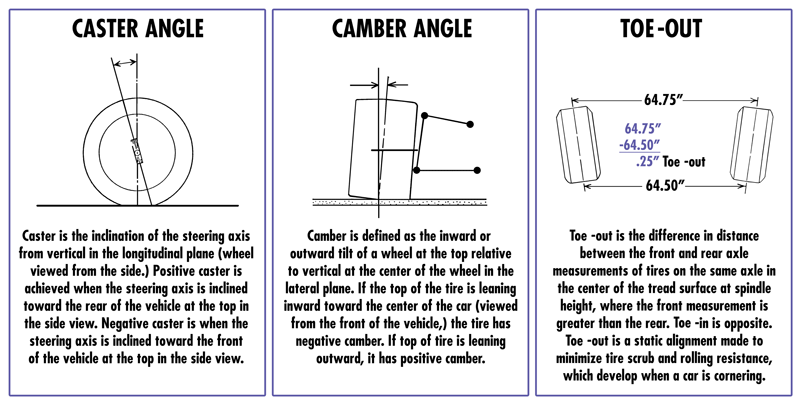
Finally, operators should monitor for signs of excessive tire wear on the front axle, which often indicates that the wheels are scrubbing due to incorrect lead. If a tractor exhibits unusual vibration or sluggishness in 4WD mode, it is advisable to consult a certified technician to measure the actual wheel speed ratio using diagnostic tools. These proactive measures ensure the longevity of the drivetrain and maintain the integrity of the soil for future planting seasons.
The next major industry update regarding agricultural tire standards and drivetrain efficiency is expected during the upcoming Agritechnica exhibition, where manufacturers will showcase new telematics systems designed to monitor real-time tire slip and axle synchronization. Readers are encouraged to share their experiences with tractor maintenance or ask questions in the comments section below to contribute to our ongoing discussion on agricultural efficiency.