
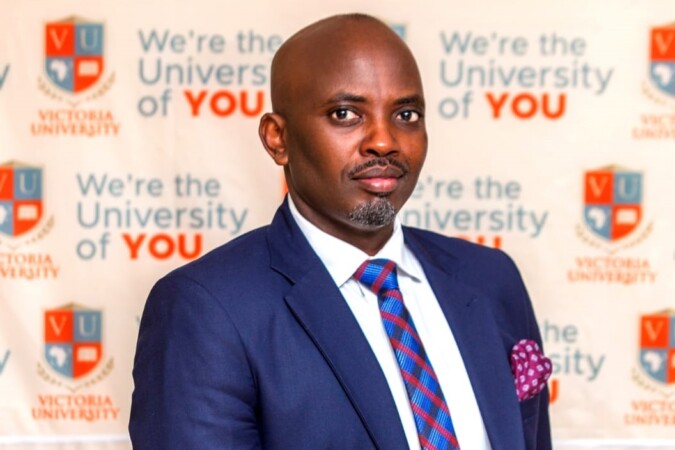
Media personality Faridah Nakazibwe has publicly urged Dr. Lawrence Muganga, the Vice Chancellor of Victoria University, to decline further political pursuits and prioritize his ongoing work in Uganda’s higher education sector. This call follows the recent rejection of Dr. Muganga’s nomination as State Minister for Internal Affairs by the Parliament of Uganda’s Appointments Committee, a decision rooted in unresolved questions regarding his citizenship status.
In a social media statement, Nakazibwe, a former news anchor and university ambassador, characterized Dr. Muganga as a “silent hero” who provided vital mentorship during her own academic tenure. She argued that the academic influence and institutional leadership he exercises at Victoria University hold greater national value than a political appointment, which she suggested could potentially compromise the professional reputation he has established.
The Parliamentary Vetting Process and Citizenship Concerns
The controversy stems from the vetting process conducted by the Parliament of Uganda’s Appointments Committee. According to official parliamentary procedures, the committee is tasked with reviewing the qualifications and suitability of presidential appointees for cabinet positions. In the case of Dr. Muganga, the committee raised concerns regarding his eligibility for a ministerial role within the Ministry of Internal Affairs, a portfolio that oversees sensitive national security matters.
Reports from the vetting sessions indicate that the committee scrutinized Dr. Muganga’s citizenship status, specifically citing questions about his ties to Canada and allegations concerning potential Rwandan nationality. Under the Constitution of the Republic of Uganda, eligibility for public office—particularly for positions involving national security—is strictly governed by citizenship requirements. Dr. Muganga has consistently denied holding a Rwandan passport and maintains that he is a Ugandan citizen. He has publicly criticized the vetting process, including the conduct of Deputy Speaker Thomas Tayebwa, characterizing the rejection as an unfair assessment of his credentials.
Academic Leadership vs. Political Appointments
The public debate sparked by Nakazibwe’s intervention highlights a broader discussion within Uganda regarding the intersection of academic leadership and national politics. Proponents of Dr. Muganga’s continued role at Victoria University suggest that the institution serves as a critical engine for innovation and professional development. They argue that the independence afforded by a university leadership position allows for a more stable and long-term impact on the country’s human capital compared to the inherent volatility of junior ministerial roles.
Conversely, critics of the nomination have emphasized the necessity of strict adherence to legal and constitutional standards, particularly when candidates are considered for security-related government offices. This perspective holds that personal achievements or popularity in the private sector do not exempt individuals from meeting the specific, mandatory legal criteria required for high-level public service. The situation has forced a national conversation on the definitions of identity, loyalty, and the vetting standards applied to those seeking to serve in the Ugandan government.
What Happens Next for Victoria University’s Leadership
As of now, Dr. Muganga remains the Vice Chancellor of Victoria University, continuing his duties at the institution. The Presidency has not yet issued a formal statement regarding whether Dr. Muganga will be re-nominated for a different government position or if the administration will accept the committee’s decision as final.
The academic community and political observers are awaiting further guidance from the Office of the President. For the present, the focus remains on the university’s operations and the ongoing debate over whether the academic sector provides a more effective platform for national transformation than the political arena. Updates regarding any future government appointments or official responses from the university will be monitored as they become available.
This is a developing story. We invite readers to share their perspectives on the role of academic leaders in public service in the comments section below.
Worth a look