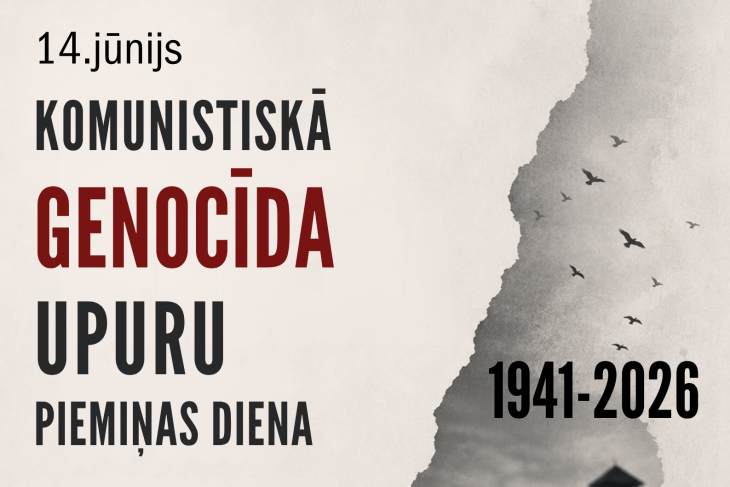
Commemorations marking the victims of communist genocide are scheduled to take place in Alūksne and across Latvia this week, prompting local authorities to implement temporary traffic restrictions to accommodate memorial proceedings. These events honor the thousands of Latvian citizens forcibly deported by Soviet authorities during the mass repressions of the mid-20th century, a historical trauma that remains a central pillar of Latvia’s national remembrance policy.
In Alūksne, municipal officials have confirmed that specific streets will face closures to ensure the safety of attendees during the commemorative ceremonies. While local observances focus on regional history, the broader national effort includes the screening of video testimonies and public gatherings at sites of historical significance, such as the Latviešu strēlnieku laukums (Latvian Riflemen Square) in Riga. These efforts are coordinated by state institutions and civil society organizations dedicated to preserving the memory of those affected by the 1941 and 1949 deportations, as documented by the Latvian Public Media (LSM).
Historical Context of the Deportations
The commemorations serve as a reminder of the systematic repression carried out under Soviet rule. According to the official portal of Latvia, the most significant waves of mass deportations occurred in June 1941 and March 1949, when tens of thousands of Latvians—including women, children, and the elderly—were forcibly relocated to remote regions of the Soviet Union. Many perished due to the harsh conditions, forced labor, and systematic deprivation.
For the residents of Alūksne and other municipalities, these events are not merely historical records but deeply personal markers of community loss. Local authorities work in tandem with the Museum of the Occupation of Latvia to ensure that the narratives of survivors are preserved for future generations. The inclusion of video testimonies allows younger audiences to engage with the lived experiences of those who survived the Gulag system, providing a human dimension to the statistical records of the era.
Traffic and Public Safety Measures in Alūksne
To facilitate the orderly conduct of the memorial services, the Alūksne municipality has issued a public notice regarding traffic management. Drivers are advised to observe temporary signage and detours in the vicinity of the memorial sites. The Alūksne Municipality official website provides real-time updates on these restrictions, which are intended to minimize disruption while allowing for the solemnity of the public gatherings.
The restrictions generally apply to the immediate areas surrounding monuments dedicated to the victims of the communist regime. Law enforcement officers will be present to manage the flow of traffic and assist pedestrians. Residents planning to attend the services are encouraged to use public transport or arrive early, as parking capacity near the commemorative sites may be strictly limited.
International Observance and European Perspective
The remembrance of communist-era crimes is not limited to Latvian borders. Representatives in the European Parliament frequently highlight these events as a crucial aspect of European collective memory. Discussions in Brussels often draw parallels between past Soviet repressions and contemporary geopolitical challenges, emphasizing the importance of upholding human rights and democratic values in the face of modern authoritarian threats.
The European People’s Party (EPP) Group has consistently advocated for the recognition of victims of totalitarian regimes, arguing that the lessons of the 1940s remain relevant to the security architecture of modern Europe. By placing the Latvian experience within a broader European context, these commemorations serve to reinforce the shared history of the Baltic states and their partners in the European Union regarding the dangers of unchecked state power.
Maintaining the Legacy of Remembrance
As time passes, the challenge of maintaining the memory of the communist genocide becomes more pronounced. With fewer eyewitnesses remaining, the reliance on archival records, digitized video testimonies, and educational initiatives becomes essential. The national media reports highlight that schools and cultural centers across Latvia play a pivotal role in these efforts, hosting lectures and exhibitions that bridge the gap between historical fact and public understanding.
The commitment to these annual ceremonies reflects a broader societal consensus in Latvia: that acknowledging past crimes is a prerequisite for a resilient democracy. Future updates regarding memorial schedules and any adjustments to the commemorative program will be released through official municipal channels. Those interested in participating are encouraged to check the Alūksne municipal portal for the latest information on upcoming memorial services and traffic advisories.