
Public health advocates and addiction specialists are intensifying their criticism of the prevalence of digital sports betting advertisements during major international sporting events. Recent discourse highlights concerns that the accessibility and high-speed nature of online wagering platforms create significant risks for compulsive gambling, particularly when promoted alongside high-profile tournaments like the FIFA World Cup. According to the World Health Organization, gambling disorder is recognized as a clinical condition, with digital platforms often identified as a key factor in increasing exposure and potential for harm.
The core of the controversy involves the intersection of global sports marketing and the rapid expansion of the online betting industry. Critics argue that the aggressive branding strategies employed by betting operators during televised matches normalize gambling behavior for vulnerable demographics, including younger audiences. While the industry maintains that it adheres to regional regulatory frameworks, experts emphasize that the ubiquity of smartphone-based betting—which allows for wagers to be placed anywhere at any time—fundamentally alters the risk profile compared to traditional brick-and-mortar facilities.
The Regulatory Framework and Industry Responsibility
The debate over sports betting advertising is largely dictated by fragmented national laws rather than a single global standard. In many jurisdictions, the responsibility for oversight lies with national gaming commissions. The UK Gambling Commission, for instance, has implemented stricter guidelines regarding the marketing of betting products to ensure that advertisements do not target minors or emphasize the ease of winning. However, during international events, the challenge arises when broadcast signals cross borders, exposing viewers to advertising standards that may be more permissive than those in their home country.
Addiction specialists point to the speed of “in-play” or “live” betting as a primary concern. Unlike traditional pre-match wagers, these digital features allow users to bet on outcomes occurring within seconds during a game. Research published by the American Psychological Association indicates that the rapid feedback loop of digital gambling can heighten the dopamine response, potentially accelerating the development of problematic gambling habits. Organizations dedicated to addiction recovery are calling for mandatory “cooling-off” periods and stricter age-verification technologies to mitigate these risks.
Evaluating the Impact of Strategic Partnerships
Partnerships between global sports governing bodies and betting firms remain a contentious subject. When an organization like FIFA enters into commercial agreements with betting sponsors, it provides those companies with unparalleled visibility on a global stage. Critics suggest that these deals provide a veneer of legitimacy to the industry, which can complicate efforts by public health officials to frame sports betting as a serious behavioral health risk. Conversely, proponents of such deals often argue that sponsorship revenue is essential for the financial sustainability of professional sports organizations and their ability to host large-scale events.

The financial scale of these partnerships is significant. According to reports from Reuters, the global sports betting sponsorship market has seen steady growth, with betting companies increasingly becoming primary sponsors for teams and leagues. This shift has prompted some European nations, such as Spain and Italy, to implement near-total bans on gambling advertisements during prime-time television and sports broadcasts to protect public health. These legislative actions represent a clear divide in policy approaches between countries that view gambling as a strictly regulated commercial activity and those that treat it as a significant public health threat.
What Happens Next for Global Betting Policy
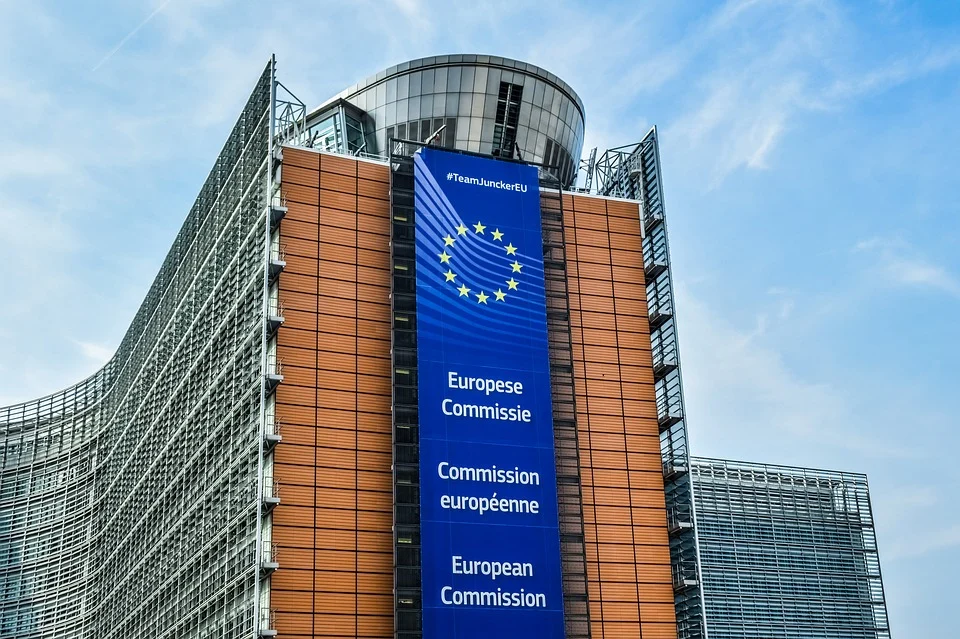
The next phase of this debate will likely occur within national legislatures and international regulatory bodies as they review the effectiveness of current advertising restrictions. In the European Union, the European Commission continues to monitor the impact of online gambling services on consumers, emphasizing the need for high levels of protection. Meanwhile, many countries are preparing for upcoming legislative sessions where lawmakers are expected to debate proposals for tighter limits on the volume and placement of betting advertisements.
For individuals concerned about the impact of gambling or those seeking support, resources are available through national health services and independent non-profit organizations. In the United States, the National Council on Problem Gambling offers a confidential helpline and resources for those affected by gambling disorders. As the conversation surrounding the ethics of betting advertisements continues to evolve, public scrutiny of these corporate partnerships is expected to remain high during every major sporting calendar event. Readers are encouraged to share their views on current regulatory standards in the comments section below.
Related reading