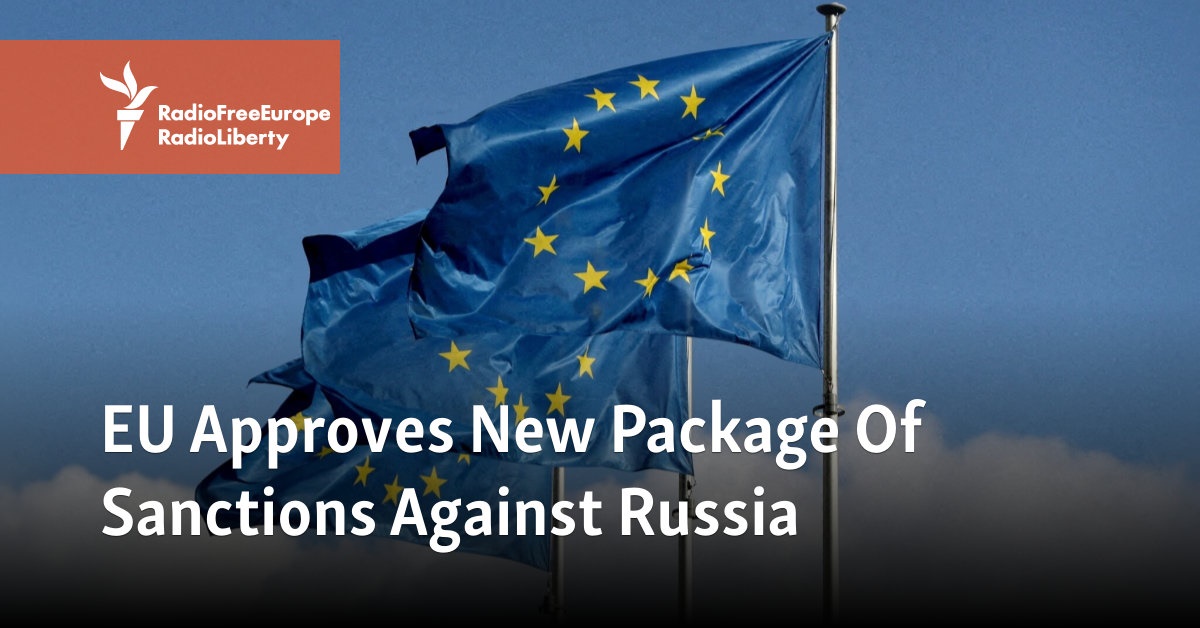
The European Union has officially adopted its 14th package of sanctions against the Russian Federation, targeting critical sectors of the Russian economy and tightening enforcement mechanisms to prevent circumvention. The measures, which follow a prolonged period of negotiation among member states, focus on energy infrastructure, financial services, and the logistics networks supporting Russia’s ongoing military operations in Ukraine. In response, the Russian Ministry of Foreign Affairs stated that Moscow will continue to respond to Western restrictive measures in an “effective and decisive” manner, according to official statements released by the Kremlin.
This latest round of sanctions represents a continued effort by Brussels to curtail the Kremlin’s ability to finance its military actions while balancing the energy security needs of its own member states. Unlike previous iterations that focused heavily on broad sectoral bans, this package introduces more granular controls over specific logistical chains and financial instruments. According to the European Council, the measures are designed to increase the cost of the conflict for the Russian state while minimizing the impact on global food and energy security.
Strategic Impact on Energy and Financial Markets
A central component of the new sanctions package is the formalization and extension of the price cap mechanism on Russian crude oil and petroleum products. The European Union has confirmed the maintenance of these price caps, which are intended to limit the revenue generated by Russian energy exports while ensuring that supply remains available to global markets. The European Commission has emphasized that these measures are reviewed periodically to ensure they remain effective in the face of shifting global commodity prices.
While the sanctions target a wide array of goods, certain raw materials and industrial inputs, such as alumina, remain excluded from the most restrictive categories in this specific round. This exclusion reflects the ongoing dependence of several European industrial sectors on specific Russian imports that are difficult to replace in the short term. Analysts note that this highlights the complex “sanctions diplomacy” required within the EU, where member states must weigh the geopolitical necessity of pressure against domestic economic stability.
Moscow’s Response and Diplomatic Stance
The Russian government has characterized the latest EU measures as illegitimate and counterproductive. Through official channels, the Russian Foreign Ministry warned that the continued expansion of sanctions would lead to further retaliatory steps, though specific details regarding the nature of these responses remain undisclosed. Historically, Russia has targeted Western entities operating within its borders, including the seizure of assets and the imposition of counter-sanctions on European officials and business leaders, as tracked by the Reuters news agency.
The Kremlin maintains that these measures do not achieve their intended goal of altering Russian foreign policy but instead exacerbate global economic instability. This rhetoric has been a consistent feature of Russian diplomatic messaging since the initial imposition of broad-scale sanctions in February 2022. By framing the sanctions as an “economic war” waged by the West, Moscow seeks to justify its domestic economic policies and strengthen ties with non-aligned nations that have not joined the sanctions regime.
Understanding the Sanctions Enforcement Mechanism
Beyond the primary targets, the 14th package places significant emphasis on “anti-circumvention” measures. These provisions are aimed at third-party countries and companies that act as conduits for restricted goods, such as dual-use technology and microelectronics, reaching Russia. The European External Action Service has signaled that future enforcement will prioritize identifying and sanctioning entities that facilitate the diversion of prohibited items through neighboring jurisdictions.
This shift in strategy acknowledges that previous sanctions were often mitigated by complex transshipment routes. By focusing on the supply chain intermediaries, the EU aims to create a more robust barrier against the flow of critical technology. The effectiveness of these measures remains a subject of intense debate among international trade experts, who point to the difficulty of monitoring global shipping lanes and the ease with which corporate shells can be established in jurisdictions outside the reach of EU law.
Key Developments at a Glance
- Energy Controls: Extension of the price cap mechanism on Russian oil until at least 2027 to limit state revenue.
- Industrial Exemptions: Certain materials, including alumina, remain excluded from the current restrictions to protect European manufacturing chains.
- Enforcement Focus: New provisions target third-party intermediaries suspected of aiding in the circumvention of existing trade bans.
- Diplomatic Stance: Russia has formally pledged a “decisive” response, though no specific counter-measures have been implemented as of the latest reporting.
The situation remains fluid, with ongoing monitoring by the European Commission’s Directorate-General for Financial Stability, Financial Services and Capital Markets Union. Further updates regarding the implementation of these sanctions are expected to be discussed at the next meeting of the European Council. Readers interested in the official legal texts and the specific lists of sanctioned entities can access the Official Journal of the European Union for the most current regulatory filings.

We invite our readers to share their perspectives on the geopolitical implications of these ongoing economic measures in the comments section below.
Keep reading