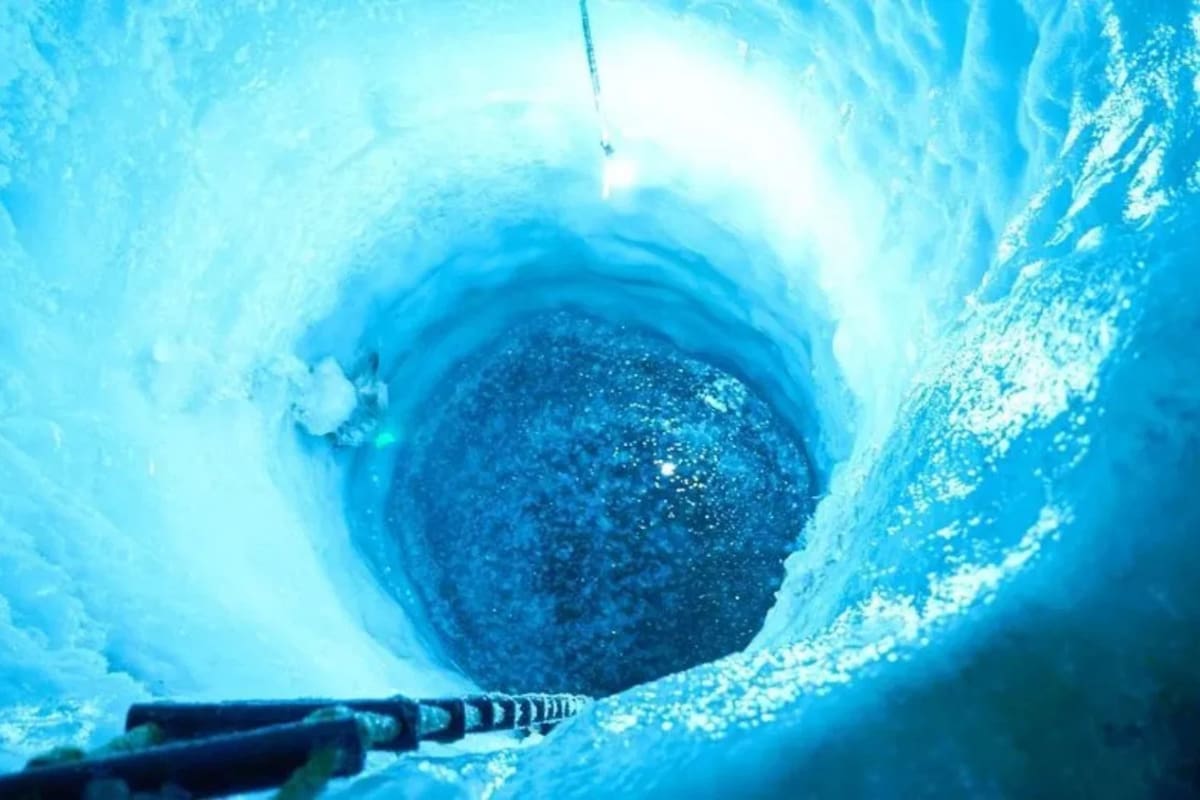
Geologists have identified a massive, fan-shaped sedimentary structure spanning thousands of kilometers beneath the Antarctic ice sheet, a discovery that fundamentally alters the current understanding of the continent’s tectonic and glacial history. Researchers utilizing satellite gravity data and airborne radar imaging have mapped this feature, which researchers describe as a giant tectonic fan, located in the deep basins of the East Antarctic region.
This structural arrangement, which covers an area comparable to some of the world’s largest river deltas, provides new evidence regarding how the Earth’s crust shifted millions of years ago. According to research published in the journal Nature Geoscience, the configuration of these basins suggests that East Antarctica’s subglacial landscape was shaped by long-term tectonic processes rather than being a collection of disconnected, localized depressions.
Mapping the Subglacial Architecture
For decades, the subglacial topography of Antarctica remained one of the final frontiers of planetary mapping. Because the ice sheet reaches thicknesses of up to 4,000 meters in some areas, direct observation of the bedrock has been impossible without sophisticated remote sensing technology. The recent identification of the fan-shaped structure was made possible through the analysis of data from the GOCE (Gravity field and steady-state Ocean Circulation Explorer) satellite mission, as detailed by the European Space Agency.
By processing these gravity measurements alongside ice-penetrating radar data, scientists were able to “see” through the ice to the underlying rock formations. The study found that the basins are interconnected in a specific geometric pattern, pointing toward a singular, cohesive geological origin. This indicates that the region experienced a period of significant crustal extension, likely occurring during the breakup of the supercontinent Gondwana, approximately 180 to 200 million years ago, as reported by the British Antarctic Survey.
Why the Tectonic Fan Matters
The discovery of this fan-shaped structure is significant because it dictates how ice moves and how geothermal heat flows beneath the surface. When ice sheets sit atop complex, uneven bedrock, the friction and heat distribution vary significantly compared to those resting on a uniform plain. Understanding this geometry is a prerequisite for accurate climate modeling.

Current climate models rely on high-resolution bed maps to predict how quickly glaciers might flow toward the ocean. If the underlying topography is structured as a single, massive system, the pathways for subglacial water—which acts as a lubricant for ice movement—are likely more efficient than previously assumed. According to data provided by the National Snow and Ice Data Center, even minor errors in bed topography can lead to significant discrepancies in long-term sea-level rise projections.
Comparative Geological Context
To understand the scale of this finding, geologists compare the Antarctic fan to known tectonic features on other continents. While the Antarctic structure is buried under kilometers of ice, its formation bears similarities to the rift systems observed in the East African Rift or the Basin and Range Province in the United States. The primary difference, however, lies in the preservation of the landscape.

Because the Antarctic ice sheet has acted as a protective barrier for millions of years, the bedrock topography has been shielded from the erosive forces of wind and water that typically modify such structures elsewhere. This makes the Antarctic fan a “fossilized” record of tectonic activity. The U.S. Geological Survey notes that such preserved features are vital for reconstructing the paleogeography of the southern hemisphere.
Implications for Future Research
The identification of this structure does not mark the end of the inquiry; rather, it shifts the focus toward understanding the thermal history of the continent. The next phase of research involves drilling targeted boreholes to extract sediment cores from the base of the ice sheet. These samples will allow scientists to verify the age of the basin sediments and correlate them with known tectonic shifts in the surrounding ocean floors.
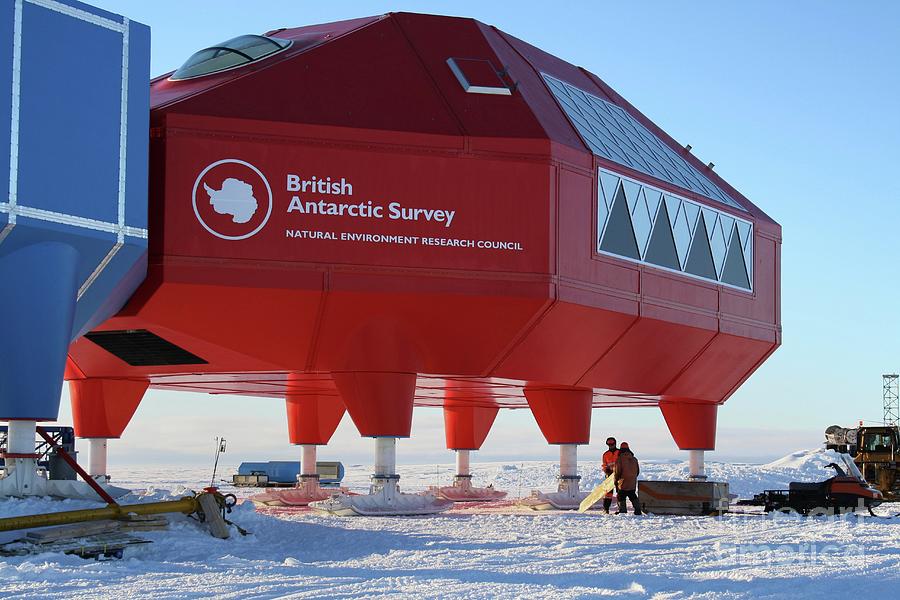
The Scientific Committee on Antarctic Research (SCAR) is currently coordinating international efforts to integrate these new findings into the Bedmap3 project, an ongoing initiative to create the most accurate digital elevation model of the Antarctic continent. Further updates on the progress of these subglacial surveys are expected to be presented at the upcoming SCAR Open Science Conference, where researchers will discuss the implications of the fan structure for ice sheet stability models.
Readers interested in following the latest developments in Antarctic exploration can monitor the British Antarctic Survey data portal for updated maps and research papers as they become available. We encourage those with questions or insights on these findings to share them in the comments section below.
Related reading