The qualification landscape for the 2026 FIFA World Cup is taking shape as nations across the globe navigate the expanded 48-team tournament structure. Within Group K, Portugal enters the cycle with high expectations, while Colombia focuses on recalibrating its squad to ensure a competitive return to the world stage. As teams prepare for upcoming fixtures, managers are balancing the integration of emerging talent with the management of veteran legacies, most notably that of Cristiano Ronaldo.
The 2026 tournament, hosted jointly by Canada, Mexico, and the United States, marks a significant shift in international football logistics. According to official FIFA tournament documentation, the expansion to 48 teams has altered qualification pathways, increasing the pressure on traditional powerhouses to secure early points. For teams like Portugal and Colombia, the path forward requires tactical consistency as they navigate a group dynamic that mixes seasoned veterans with rising international challengers.
Portugal’s Strategic Evolution Under Roberto Martínez
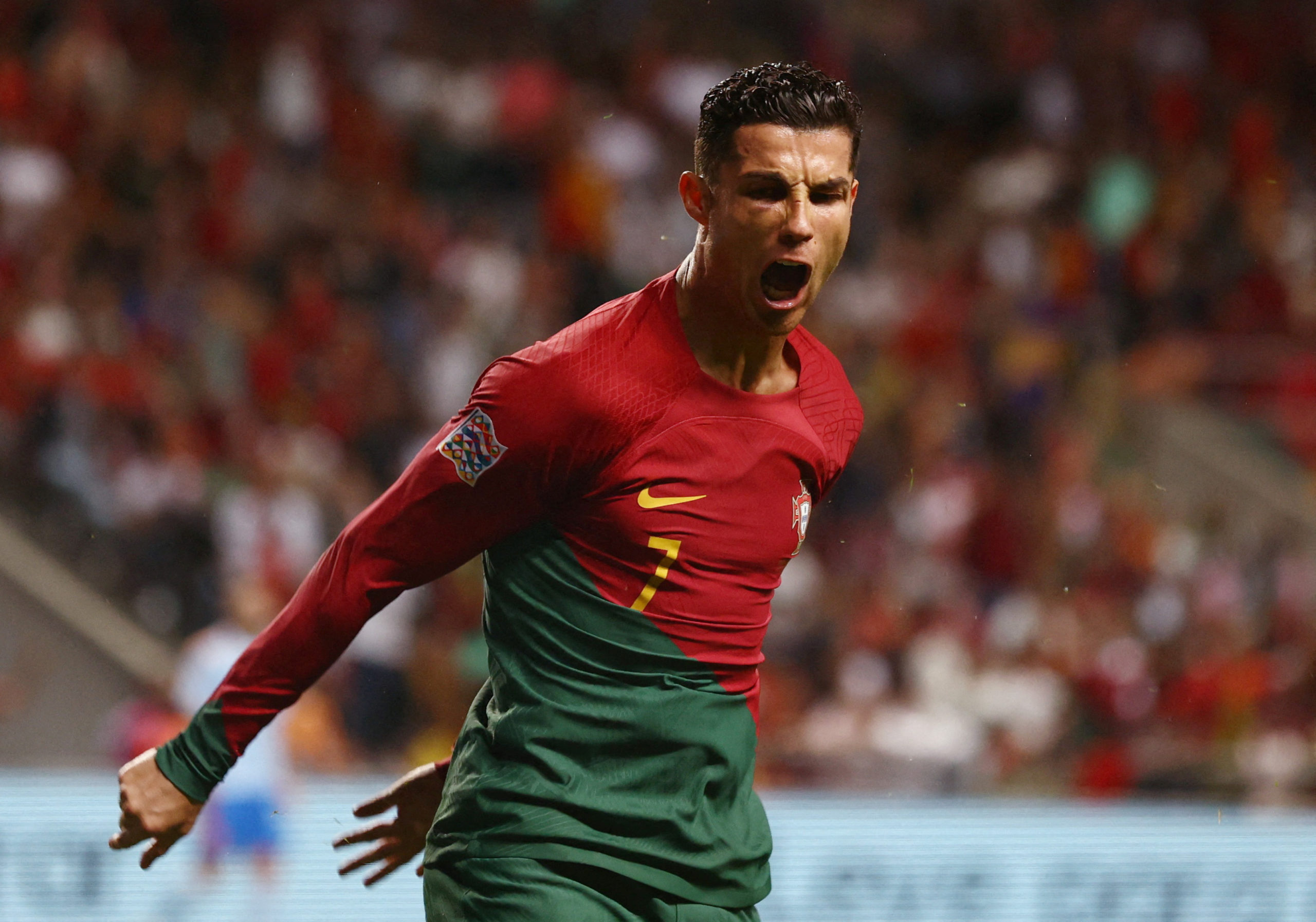
Portugal’s campaign for the 2026 World Cup is defined by its transition toward a new tactical identity under head coach Roberto Martínez. Since taking the helm, Martínez has sought to build a system that maximizes the efficiency of a deep squad while managing the high-profile narrative surrounding Cristiano Ronaldo. The 39-year-old forward, who has participated in five previous World Cups, remains a central figure in discussions regarding the team’s future.

Addressing speculation about Ronaldo’s longevity in the national squad, Martínez has maintained a focus on the immediate objectives of the team. In recent media engagements, the manager emphasized that the focus remains on match-by-match performance rather than long-term career speculation. According to beIN SPORTS, Martínez stated that Ronaldo is not currently preoccupied with his long-term future in the selection, focusing instead on his contributions to the current tactical setup.
The team’s preparation for the upcoming international windows involves a blend of high-intensity training and strategic friendlies. These matches serve as essential testing grounds for younger players looking to establish themselves as permanent fixtures in the Portuguese lineup. The goal is to ensure that the transition remains fluid, allowing for a competitive edge regardless of individual personnel changes.
Colombia’s Focus on Tactical Discipline
Colombia enters this qualification phase with a clear mandate to improve on its recent performances. The team, known for its technical proficiency and aggressive attacking style, is currently refining its defensive structure to better handle the rigors of long-form qualification cycles. For the Colombian Football Federation, the 2026 cycle represents an opportunity to restore the nation’s status as a top-tier contender in CONMEBOL and beyond.
The coaching staff has emphasized the necessity of consistency, particularly during away matches where conditions and tactical approaches vary significantly. By focusing on a more disciplined mid-block and improving transition speed, Colombia aims to minimize the defensive lapses that hindered their previous campaigns. The objective is to secure a comfortable position in the standings early, reducing the pressure as the final matchdays approach.
The squad’s depth is being tested through the integration of players from various European leagues, providing the coaching staff with diverse options for different match scenarios. This approach allows for tactical flexibility, enabling the team to adjust its formation based on the opponent’s strengths and weaknesses. The focus remains on building a cohesive unit capable of executing complex tactical instructions under high-pressure environments.
The Group K Dynamic and Future Fixtures
Group K serves as a microcosm of the challenges facing international football in the lead-up to 2026. With teams like Uzbekistan and the Democratic Republic of Congo also vying for position, the group presents a varied set of tactical and geographical hurdles. The diversity of playing styles within the group requires constant adaptation from the technical staffs of both Portugal and Colombia.
The upcoming schedule will be critical in determining the hierarchy of the group. According to the FIFA match calendar, the next series of international windows will see teams finalizing their preliminary rosters and testing depth against high-caliber opposition. For Portugal, this includes managing the symbolic weight of home matches, which serve as opportunities to connect with fans before the team departs for the final tournament phase.
As the qualification process moves toward its next checkpoint, the focus for all teams in Group K remains on accumulating points and refining tactical cohesion. The balance between maintaining a winning mentality and fostering the development of new talent will be the defining factor for those looking to secure a spot in the 2026 World Cup. Fans and analysts alike will be watching closely as the next official announcements regarding squad selections and venue allocations for these matches are released by the respective national governing bodies.
For further updates on the qualification standings and official match reports, supporters are encouraged to consult the official FIFA website. We invite our readers to join the conversation in the comments section below to share their insights on how they believe the group will unfold as the road to 2026 continues.
Related reading