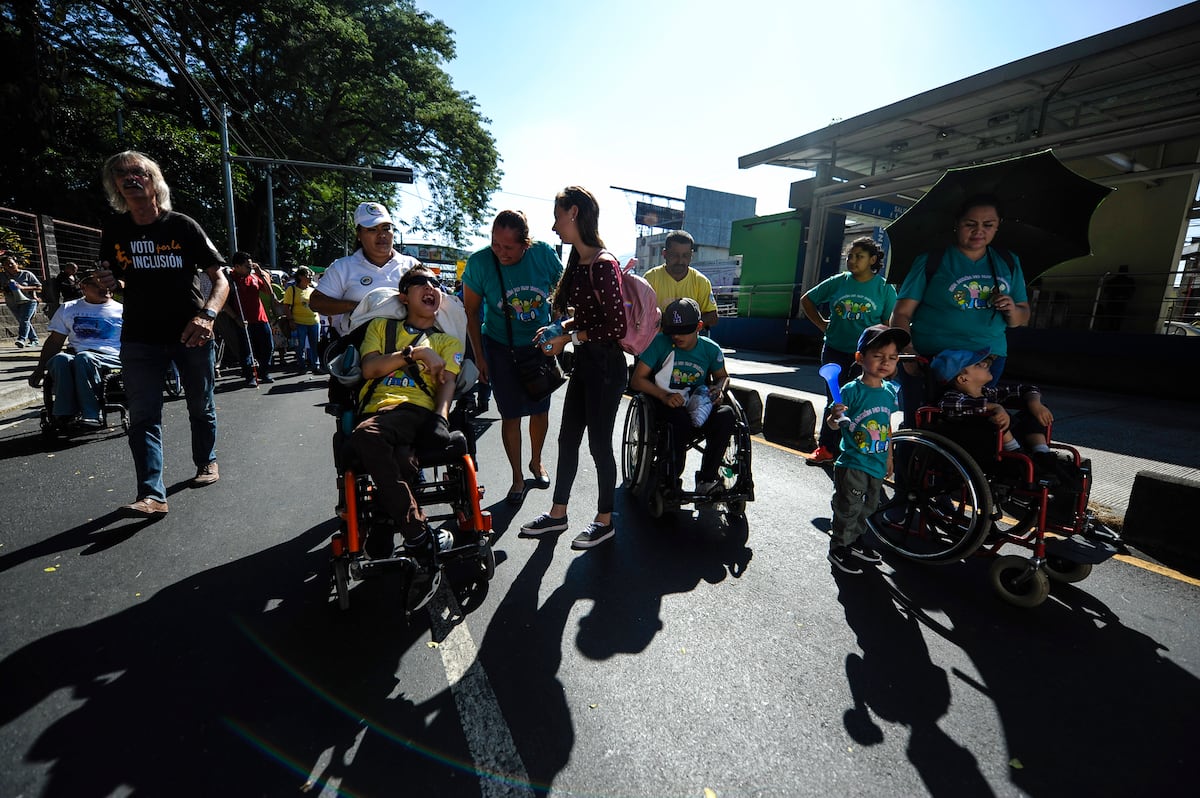
Two decades after the adoption of the United Nations Convention on the Rights of Persons with Disabilities, activists across Latin America and the Caribbean are shifting their focus from legal recognition to the demand for direct political representation. As the region marks the 20th anniversary of the landmark international treaty, representatives from civil society organizations report that despite significant legislative progress, individuals with disabilities remain largely excluded from executive and legislative decision-making roles.
The Convention, which entered into force in May 2008, established a framework for ensuring that persons with disabilities enjoy the same human rights as all other citizens. According to the United Nations Department of Economic and Social Affairs, the treaty serves as both a human rights instrument and a development tool, mandating that states parties ensure the full and effective participation of people with disabilities in public affairs. However, regional advocacy groups argue that implementation remains inconsistent, with many governments failing to move beyond symbolic inclusion.
The Shift Toward Political Agency
The current discourse among disability rights advocates in countries such as Brazil, Mexico, and Colombia centers on the concept of “nothing about us without us.” While the Convention provided the necessary legal scaffolding to challenge discriminatory practices in education, health, and employment, activists now emphasize that true equality requires the presence of people with disabilities in the halls of power. Official data from the Economic Commission for Latin America and the Caribbean (ECLAC) indicates that persons with disabilities in the region face persistent barriers to political participation, including inaccessible polling stations, lack of information in accessible formats, and social stigma that discourages candidacy for public office.

In various urban centers, local coalitions are organizing to demand electoral quotas and the removal of physical barriers in government buildings. These movements are not merely seeking policy adjustments but are advocating for a structural change in how disability is perceived: moving from a “medical model” of rehabilitation to a “social model” that views disability as a result of societal barriers rather than individual limitations. This perspective is supported by the Office of the United Nations High Commissioner for Human Rights, which notes that states have a legal obligation to guarantee that persons with disabilities can vote and be elected on an equal basis with others.
Barriers to Implementation and Legislative Gaps
Despite the ratification of the Convention by nearly every nation in the region, the transition from paper to practice is often stalled by lack of funding and institutional inertia. In many jurisdictions, national budgets do not allocate specific resources for the structural modifications required to make public spaces fully accessible. Furthermore, while many countries have enacted national disability laws, these are frequently disconnected from broader economic development strategies.
The World Bank reports that in Latin America, persons with disabilities are significantly more likely to live in poverty compared to the general population, a disparity that often precludes them from the financial requirements of running for political office. This economic exclusion creates a feedback loop: because individuals with disabilities are underrepresented in the legislature, the policies designed to address their economic vulnerability are often drafted without their direct input or lived experience.
What Happens Next: Regional Review Processes
As the anniversary of the Convention prompts regional reflection, several countries are preparing for upcoming periodic reviews by the UN Committee on the Rights of Persons with Disabilities. These reviews serve as a critical checkpoint, requiring states to provide detailed reports on their progress toward inclusive governance. According to the United Nations Treaty Body Database, upcoming sessions will focus on the extent to which national electoral systems have been reformed to facilitate the participation of voters and candidates with diverse needs.

For many activists, these sessions represent an opportunity to pressure national governments to move beyond rhetoric. The demand for “protagonism”—or the right to lead the change—has become the rallying cry for a new generation of leaders across the continent. By leveraging international human rights standards and domestic legal frameworks, these groups aim to ensure that the next decade is defined by meaningful representation rather than passive observation.
Readers interested in following the progress of these legislative reviews or local advocacy efforts are encouraged to monitor the official portals of their respective national disability councils or the regional updates provided by international observers. We invite you to share your thoughts on the evolution of disability rights in your community in the comments section below.
Keep reading