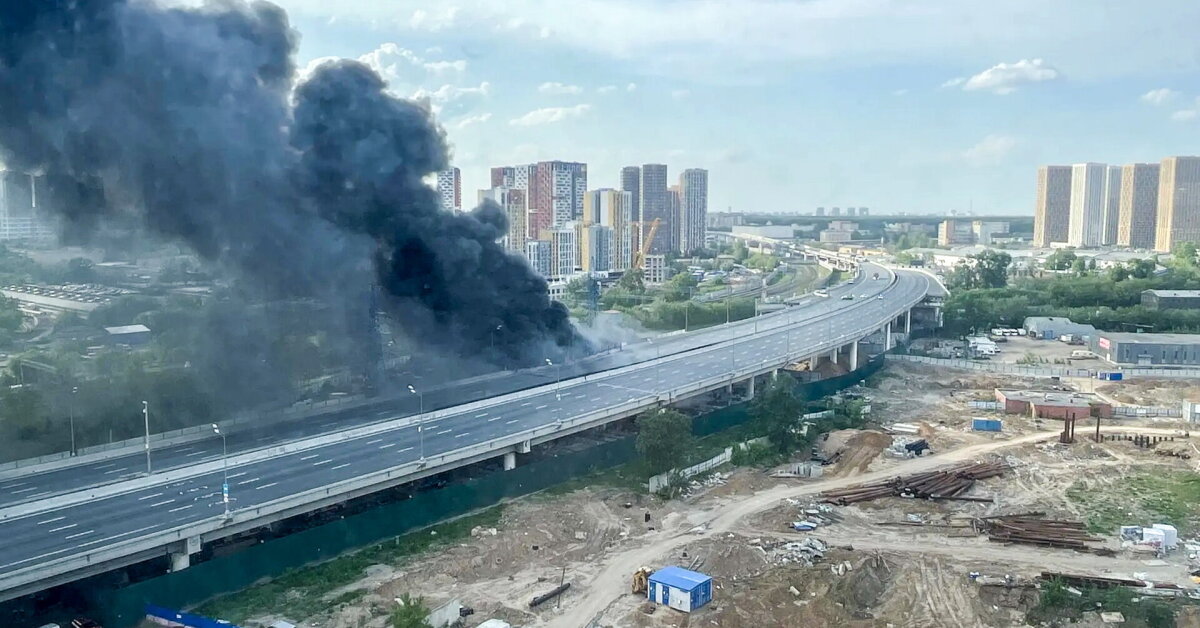
Recent military successes by Ukraine are placing intensifying pressure on the Russian financial system, creating a cycle where battlefield gains necessitate higher defense spending that, in turn, drives inflation and complicates monetary policy in Moscow. Financial analysts and banking experts suggest that as Ukraine maintains or expands its operational capabilities, the Kremlin faces a widening gap between its military ambitions and its economic stability, primarily due to the rising costs of a sustained war economy.
The relationship between the front lines in Ukraine and the stability of the Russian ruble is increasingly direct. According to economic analysts tracking the Kremlin’s fiscal policy, every significant military development that requires Russia to escalate its defense posture forces the Russian Central Bank to respond to heat in the economy. This “war-driven inflation” is a central concern for banking institutions operating within the Russian Federation, as the state shifts resources from the civilian economy to the military-industrial complex.
As of mid-2024, Russia has significantly increased its defense expenditures, with the government allocating a substantial portion of its national budget to military operations. This shift toward a “war economy” has fundamentally altered the domestic financial landscape, making the Russian banking sector more vulnerable to volatility caused by both military developments and international sanctions.
Why military developments create financial pressure for Moscow
The mechanism by which battlefield success for Ukraine translates into economic stress for Russia is largely tied to the concept of “military Keynesianism.” This occurs when a government increases spending on military production to stimulate the economy, but in a way that causes massive inflationary pressure. When Ukraine achieves strategic gains, the Russian government often responds by increasing procurement orders for munitions, equipment, and personnel, which injects massive amounts of liquidity into the economy without a corresponding increase in consumer goods.
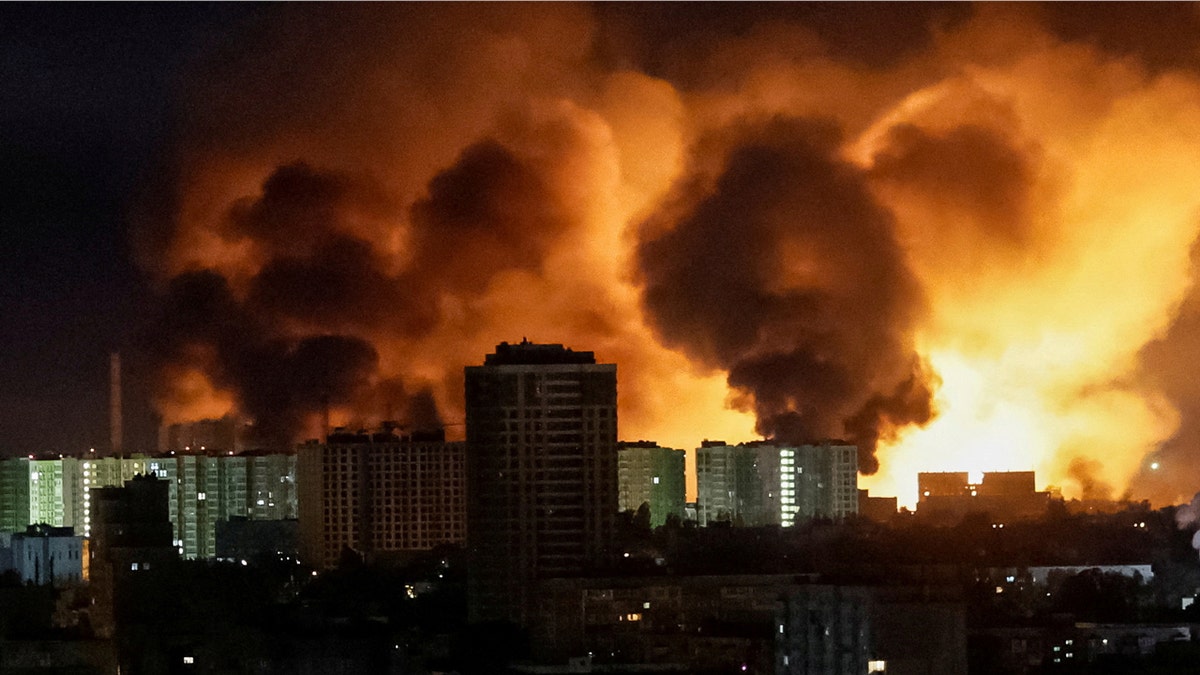
According to reports from the International Monetary Fund (IMF), Russia’s growth has been bolstered by this high level of government spending, but this growth comes with significant risks. The massive influx of state funds into the defense sector creates a “crowding out” effect, where capital is diverted away from productive civilian industries and into the military-industrial complex. This imbalance makes the economy highly sensitive to any disruption in the flow of military funding or any sudden increase in the cost of war.
Furthermore, the necessity of funding these increased military costs forces the Russian government to manage a growing budget deficit. To cover this gap, the state must either increase taxes, borrow more heavily, or rely on its dwindling central bank reserves. Each of these options carries long-term risks for the stability of the Russian financial system and the purchasing power of the ruble.
The Central Bank’s struggle with inflation and interest rates
To combat the inflation triggered by high military spending, the Russian Central Bank (CBR) has been forced to maintain a highly restrictive monetary policy. In response to rising consumer prices and the volatility of the ruble, the CBR has implemented several significant interest rate hikes. As of recent policy meetings, the central bank has maintained high interest rates to prevent the economy from overheating and to stabilize the currency.
For the banking sector, this high-interest-rate environment is a double-edged sword. While it helps to curb inflation, it also makes borrowing significantly more expensive for Russian businesses and consumers. This increase in the cost of credit can stifle non-military economic activity, leading to a slowdown in sectors like construction, manufacturing, and retail. Banking professionals have noted that while the central bank aims to maintain stability, the sheer scale of military-driven spending makes it difficult to find a “neutral” interest rate that does not inadvertently damage the broader economy.
The difficulty for the CBR is compounded by the fact that the military sector often operates under different financial rules than the rest of the economy. Large-scale state contracts are frequently funded through direct government injections, which can bypass some of the traditional monetary controls intended to manage liquidity. This creates a fragmented economic environment where the central bank’s tools are less effective at controlling the total amount of money circulating in the system.
| Economic Indicator | Pre-War Context (Approx.) | Current War-Time Status |
|---|---|---|
| Defense Spending (% of GDP) | ~1.0% | ~6.0% – 7.0% |
| Central Bank Interest Rate | ~4.25% – 6.0% | ~16.0% (and rising) |
| Budget Structure | Diversified/Consumer-led | Military-Industrial Centric |
Energy infrastructure attacks and the impact on state revenue
Another critical factor connecting the battlefield to Moscow’s finances is the increasing frequency of Ukrainian strikes on Russian energy infrastructure. These long-range drone and missile attacks have targeted oil refineries, fuel depots, and power plants across various Russian regions. While the immediate impact on global oil prices has been limited, the domestic impact on the Russian state budget is significant.
Russia relies heavily on petroleum products and refined oil for its tax revenue. When refineries are damaged or forced to go offline for repairs, the state loses a vital source of income. According to energy analysts, these attacks not only decrease the volume of exports but also force Russia to import more refined products, which it previously exported, thereby creating a net drain on the national treasury. This loss of revenue directly affects the Kremlin’s ability to fund its military operations without increasing its deficit.
The disruption of energy infrastructure also creates localized economic shocks. Damage to refineries can lead to fuel shortages and price spikes within Russia, further fueling the inflation that the Central Bank is already struggling to contain. This creates a feedback loop: military pressure leads to infrastructure damage, which leads to higher domestic prices, which necessitates higher interest rates, which complicates the overall economic management of the country.
How sanctions continue to reshape the Russian banking landscape
Parallel to the direct costs of the war, the Russian banking sector remains under intense pressure from international sanctions. Major institutions, including Sberbank and VTB, have been largely disconnected from the SWIFT international payment system, limiting their ability to conduct cross-border transactions and access global capital markets. This has forced the Russian financial system to become more insular, relying on alternative payment methods and increased trade with non-Western partners.
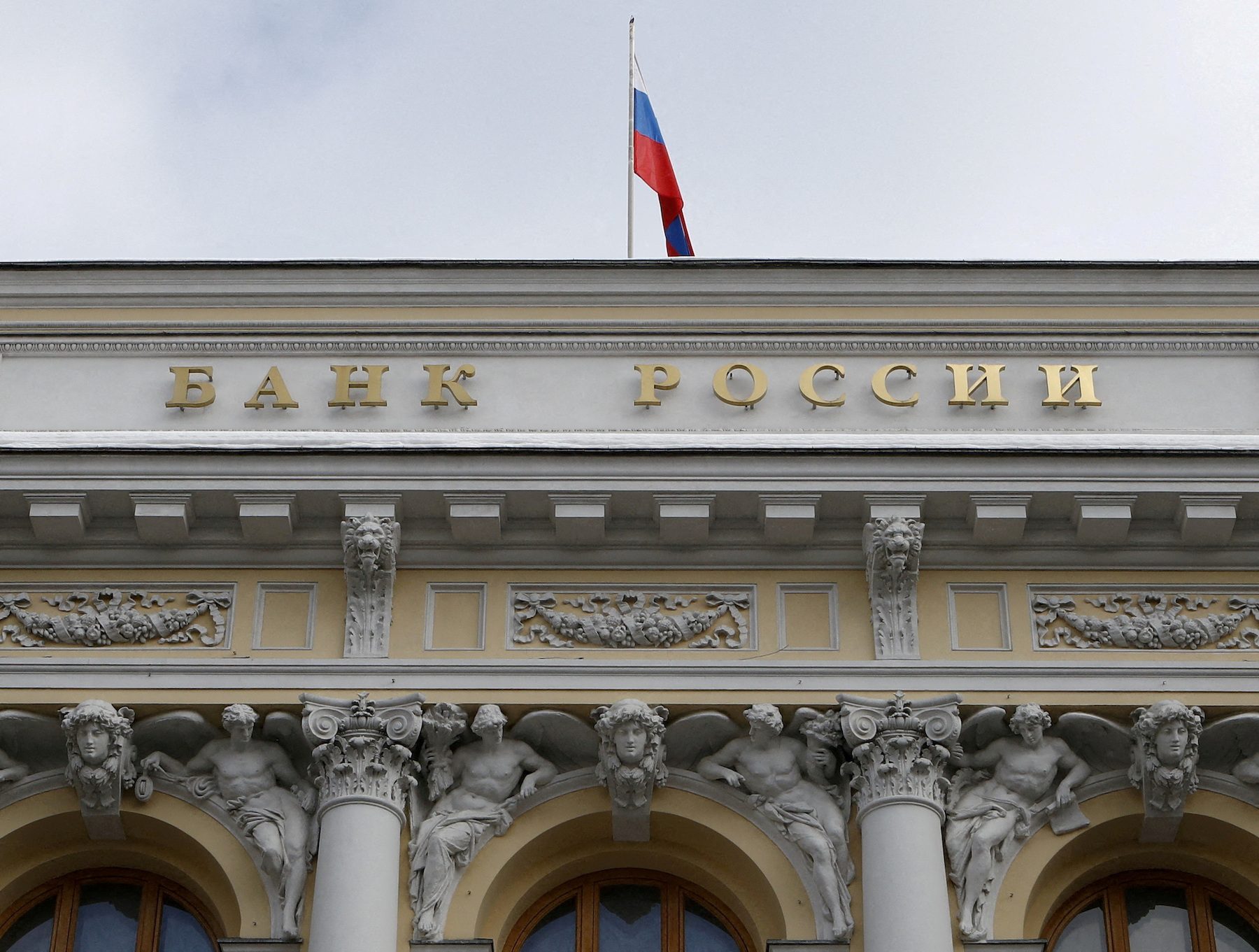
Banks in Russia are now navigating a landscape characterized by high compliance costs, the need to develop domestic alternatives to Western financial technology, and the constant threat of further sanctions. The “shadow fleet” of tankers used to bypass oil price caps is a prime example of the complex and often opaque financial maneuvering occurring to keep Russian revenue flowing. However, these methods are costly and expose the banking system to significant regulatory and operational risks.
As Western nations continue to refine their sanctions packages, the Russian banking sector must constantly adapt. The difficulty of managing these international restrictions, combined with the domestic inflationary pressures caused by the war, has left the Russian financial system in a state of permanent crisis management. Analysts suggest that the long-term consequence will be a permanent degradation of Russia’s financial integration with the global economy, making its recovery much more difficult even if the conflict were to end.
Key Takeaways:
- Inflationary Pressure: High military spending is driving inflation, forcing the Russian Central Bank to maintain high interest rates.
- Budgetary Strain: Increased defense spending is widening the Russian budget deficit and diverting funds from the civilian economy.
- Infrastructure Risks: Attacks on Russian energy infrastructure reduce state tax revenue and increase domestic fuel costs.
- Sanctions Impact: Ongoing international sanctions continue to isolate the Russian banking sector and increase the cost of doing business.
The next major checkpoint for the Russian economy will be the upcoming release of the quarterly budget execution report and the next scheduled interest rate decision by the Russian Central Bank, both of which will provide clarity on how effectively Moscow is managing the current fiscal strain.
What are your thoughts on the long-term economic viability of a war-based economy? Let us know in the comments below and share this article with your network.
- Google Pulls Nano Banana 2 From Google Earth After OSINT Backlash
- Denmark News: Teenagers Arrested for School Terror Plot and SAS Strike Threats
- Arsenal vs Real Betis: Prediction, Team News, Lineups and How to Watch (world-today-news.com)
- Russia and Ukraine Trade Deadly Strikes as Casualties Mount (newsdirectory3.com)